

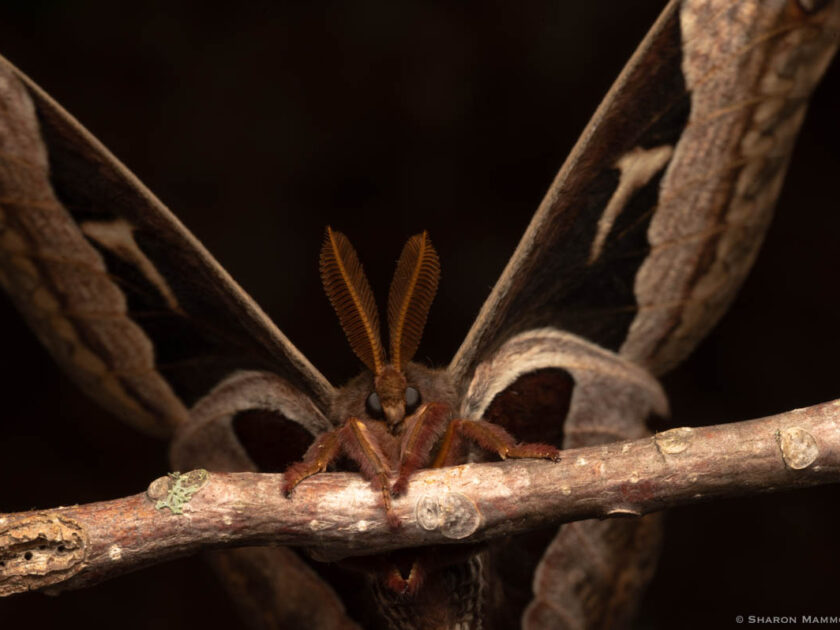
I recently did a post featuring ten common butterfly species, matching their caterpillar with their winged adult form. Now I’m going to do the same for ten common moths. I’m willing to guess that unlike the butterfly post, most of my readers have not seen these insects, even though they are common. Know why? Because most moths are active at night, when we’re all sound asleep in our homes, not thinking of moths.
Moths outnumber butterflies about ten to one. So for every one butterfly, there are roughly 10 moths!! For this reason, moths are even more important than butterflies, especially their caterpillars that are food to many, many, many of our beloved songbirds. And moths are not all drab and boring. Many are colorful, beautiful and unique, just like their day-flying cousins. You can check out my gallery of moths here.
If you want to learn more about moths, or see them for yourself, you could attract them to your own house. All you have to do is leave on a porch or house light and then go out after dark to see who comes by. However, there are people like me who do something called MOTHING, where we go out and actively attract moths and other insects to our yard so we can look closely at them.
The third week of July is called National Moth Week and features mothing events at locations all over the world. You can find one near you here, OR, if you live in western NC, you can join me at one of my mothing events during this week. I’ll be hosting three— on Saturday, July 18th, Tuesday, July 21st and Friday, July 24th, 2026.
Each night we will learn about, and look at my photos of local moths (Prepare to be SHOCKED!) and then, at dark, will be free to visit one of several mothing stations set up around our wooded yard. Tickets are just $15 and each night is limited to 16 participants. Please join us! It’s not like any other event you’ve been to!
In addition, if you live in WNC I invite you to join me on Tuesday, July 7th as I give a talk on Butterflies and Moths at the Asheville Botanical Garden as part of their 12 month Pollinator Advocate Series. Even if this is your first, and only! class, you are still welcome to join us. Here’s more information, including how to sign up.
Okay let’s meet some caterpillars, and their adult counterparts, along with some of their host plants.
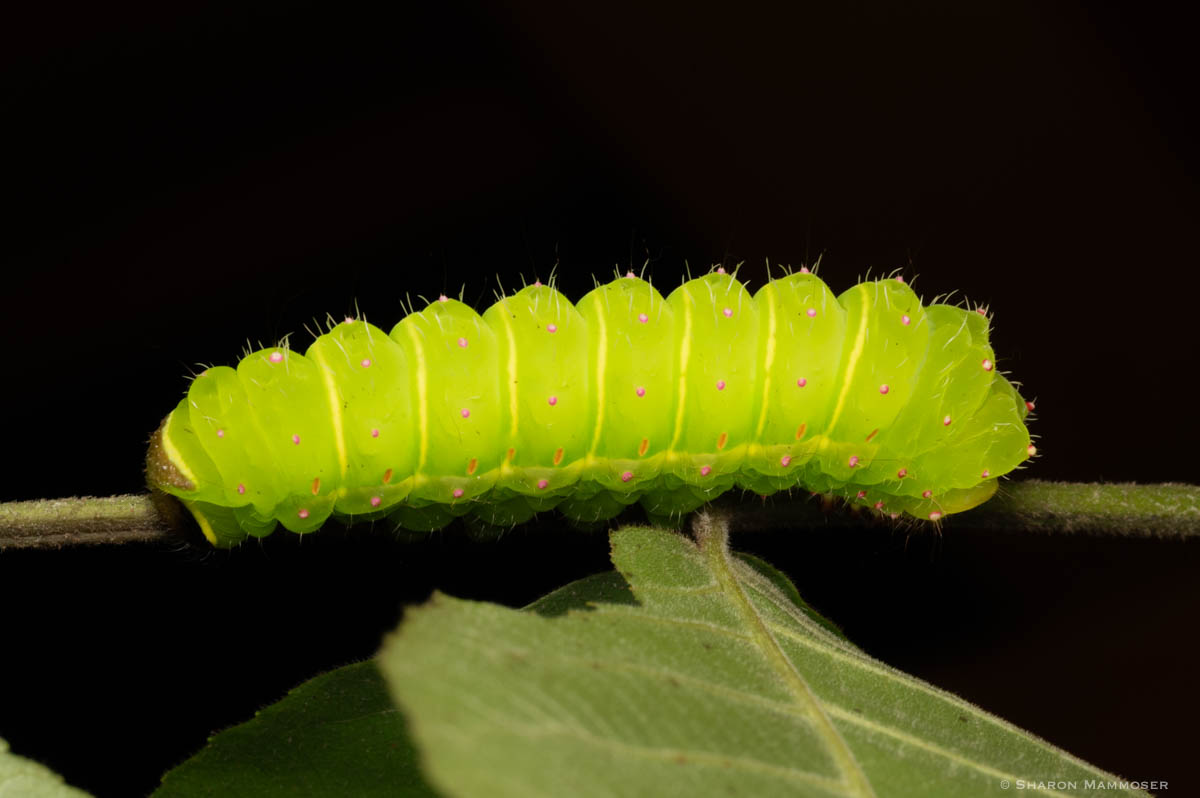
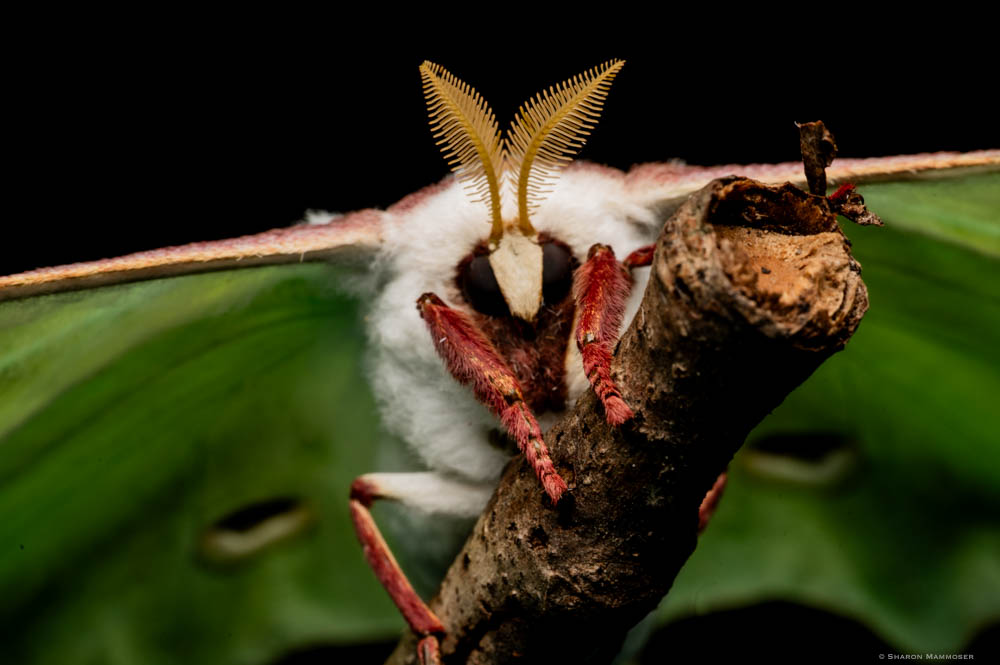
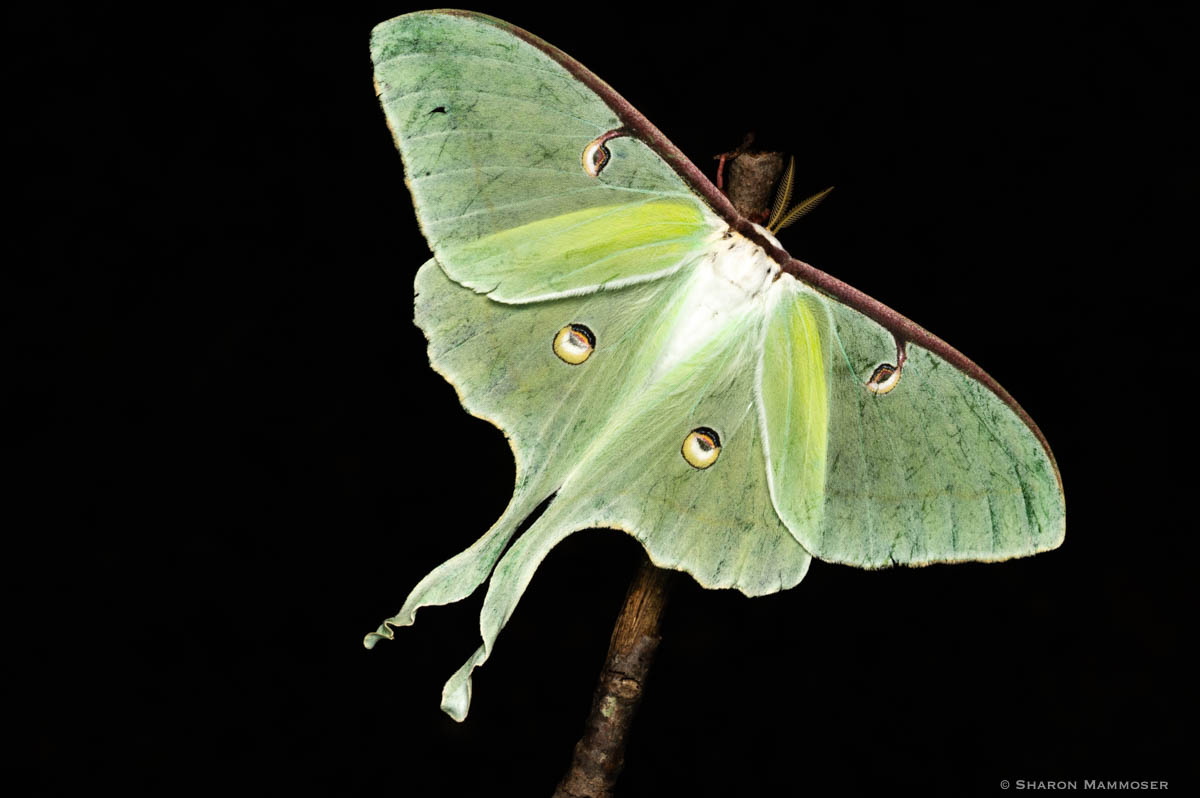
1. Luna
Host plants: birch, black gum, hickory, pecan, persimmon, walnut, and sweet gum
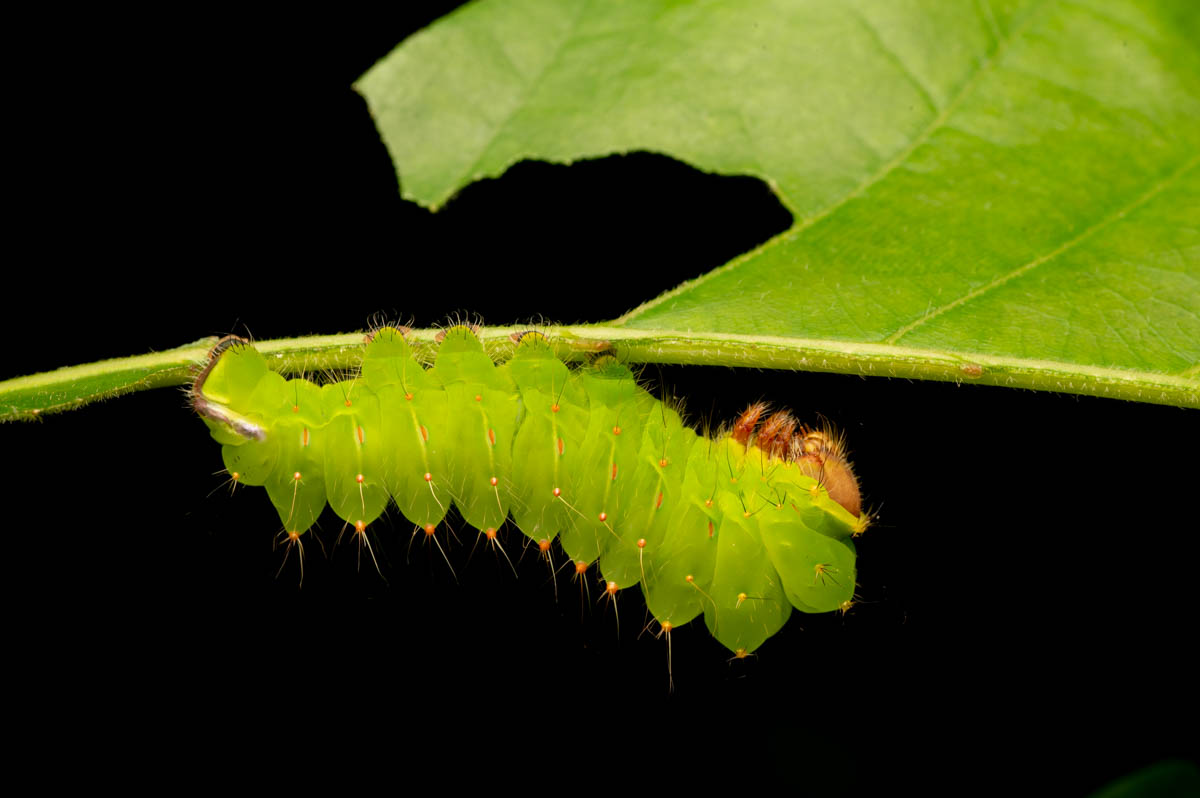
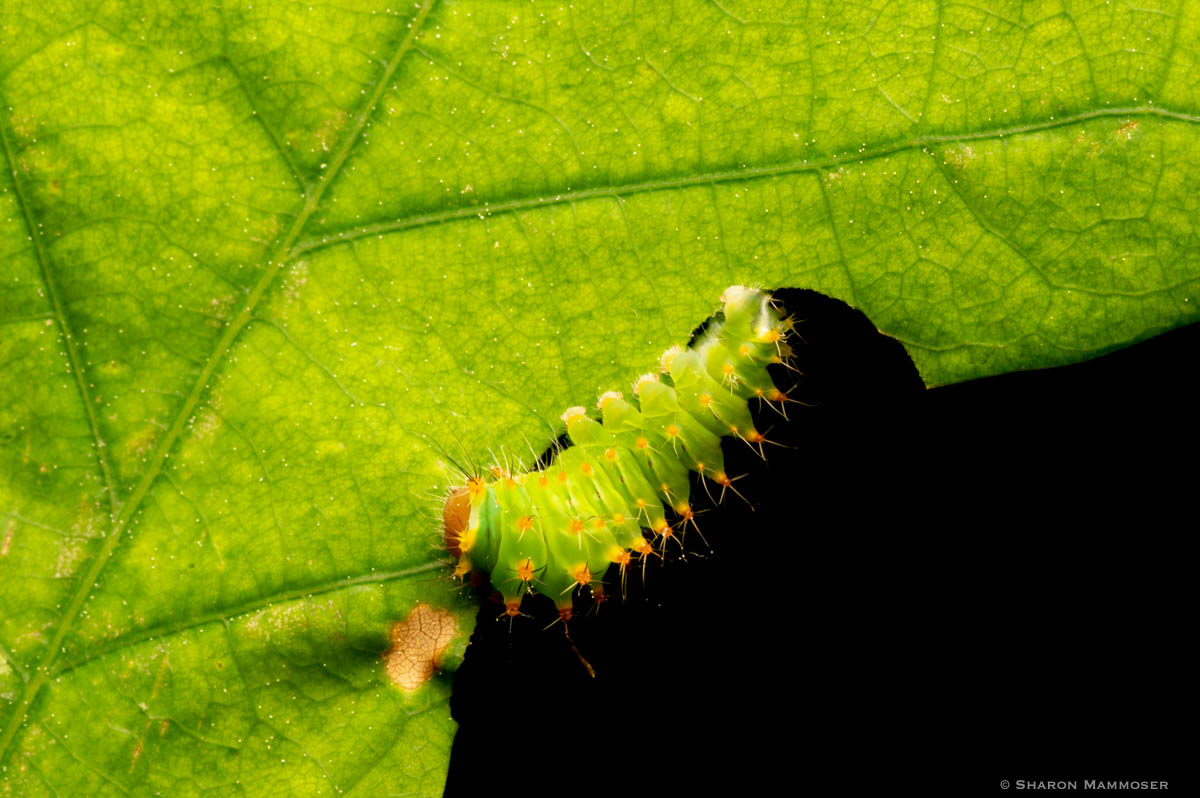
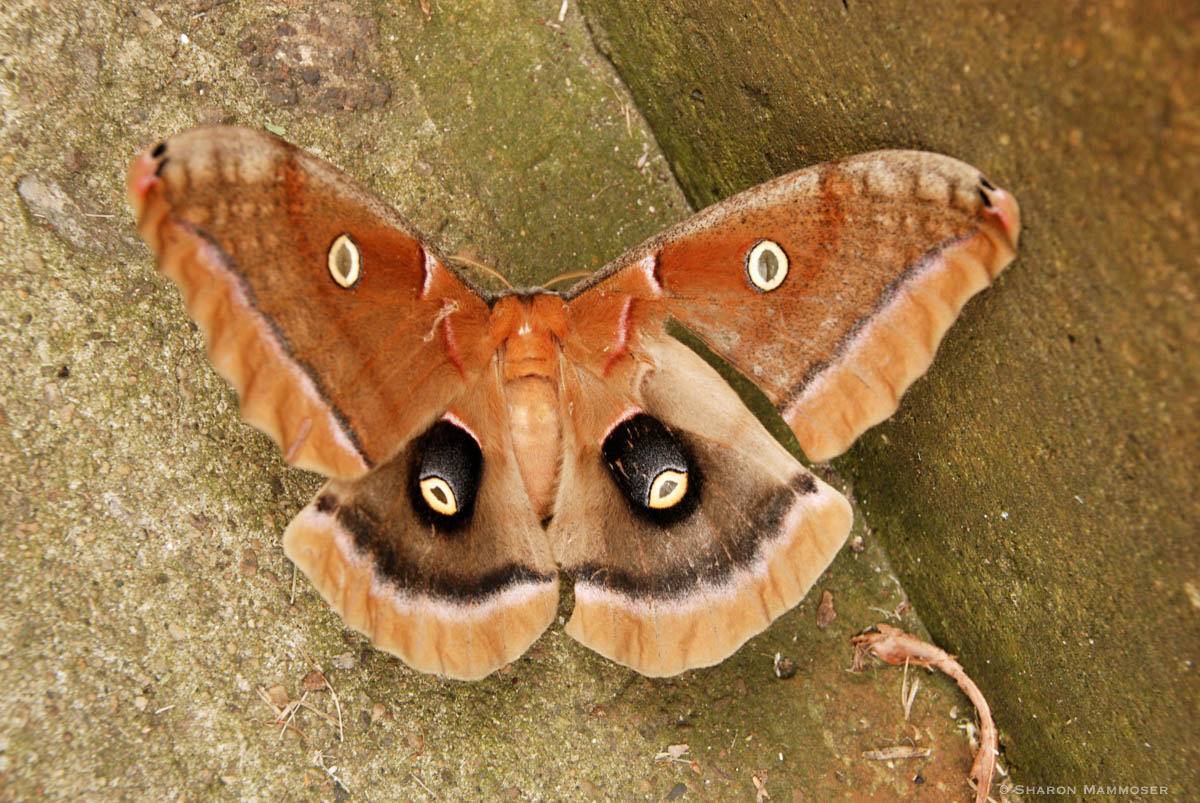
2. Polyphemus
Host plants: oak, apple,ash, birch, dogwood, elm, hickory, maple, willow and more
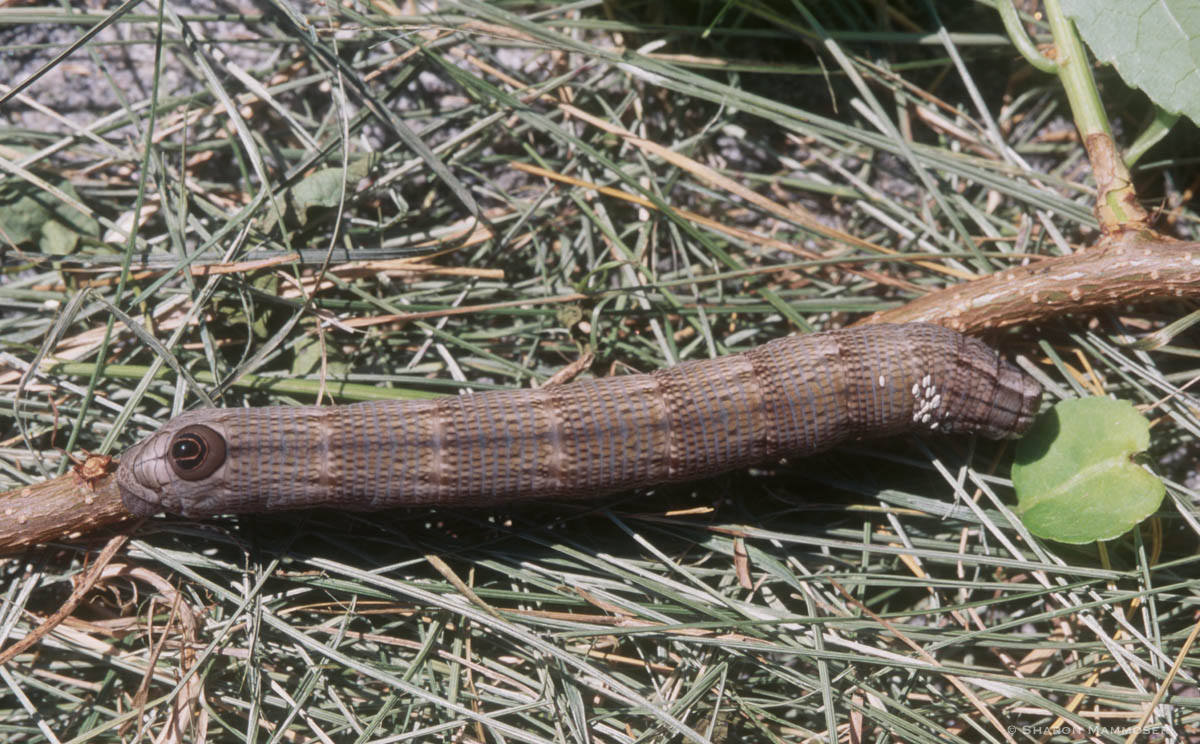
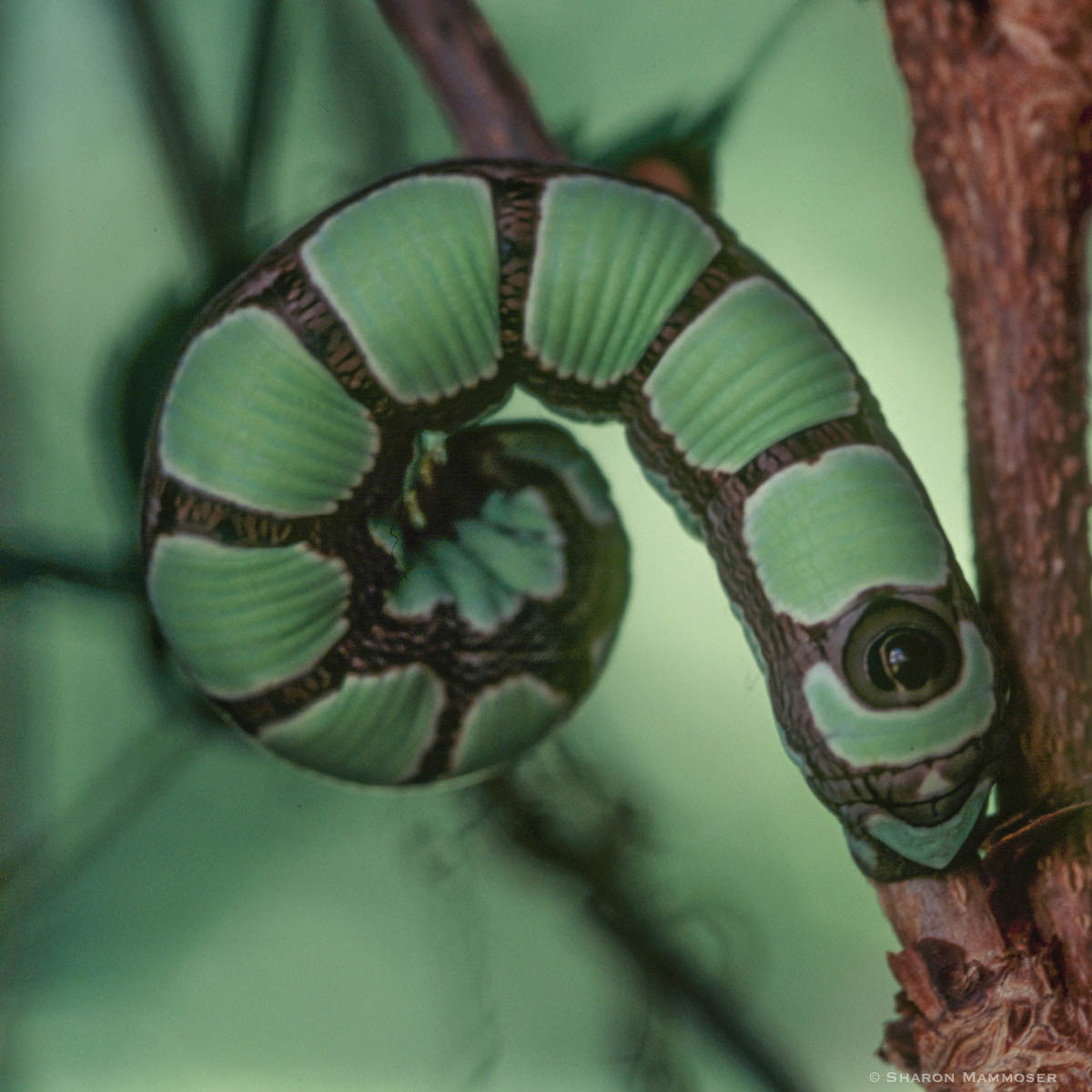
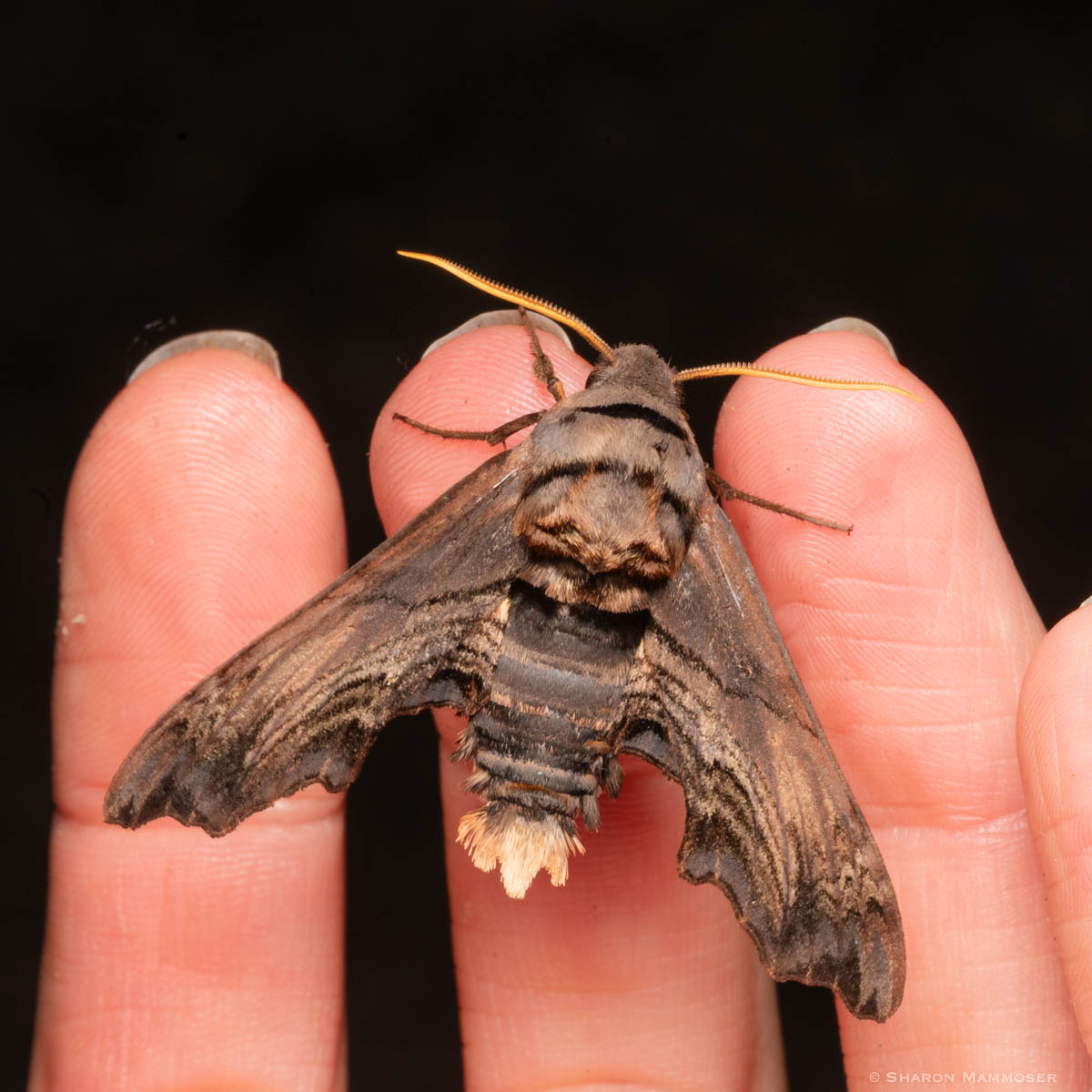
3. Abbot’s Sphinx
Host plants: grape and Virginia creeper
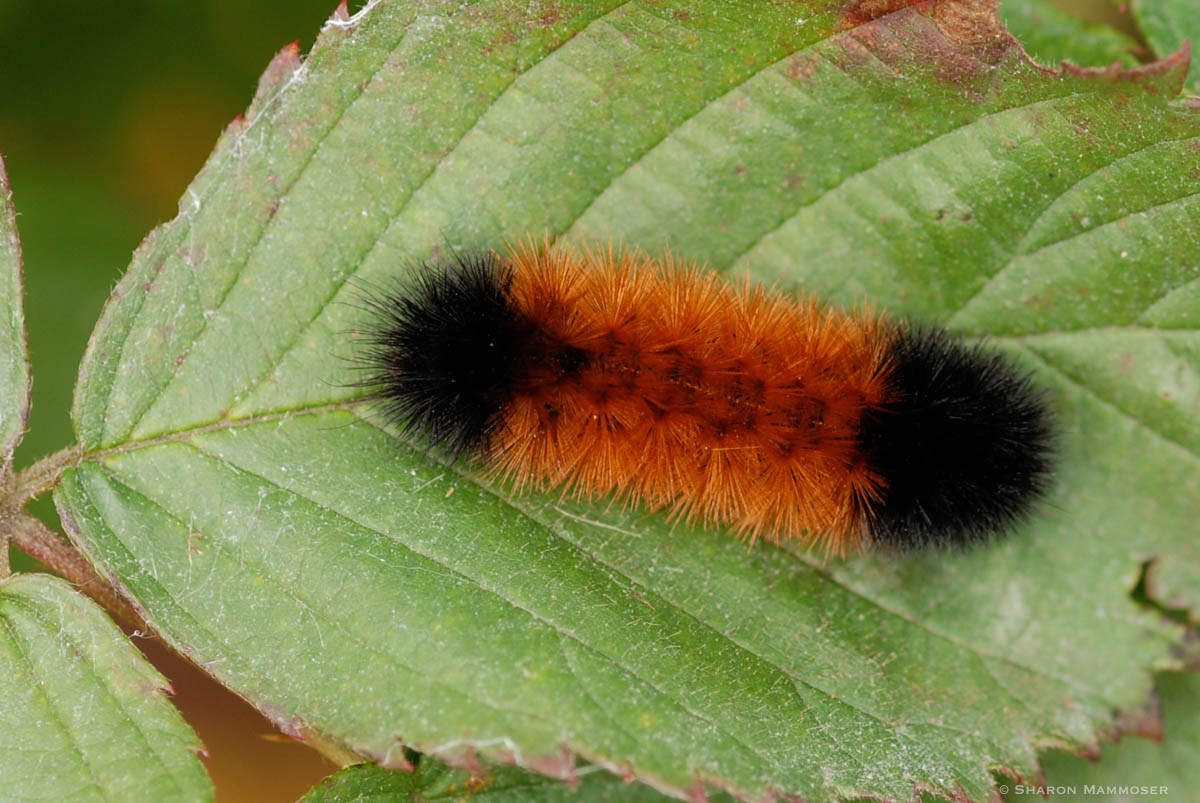
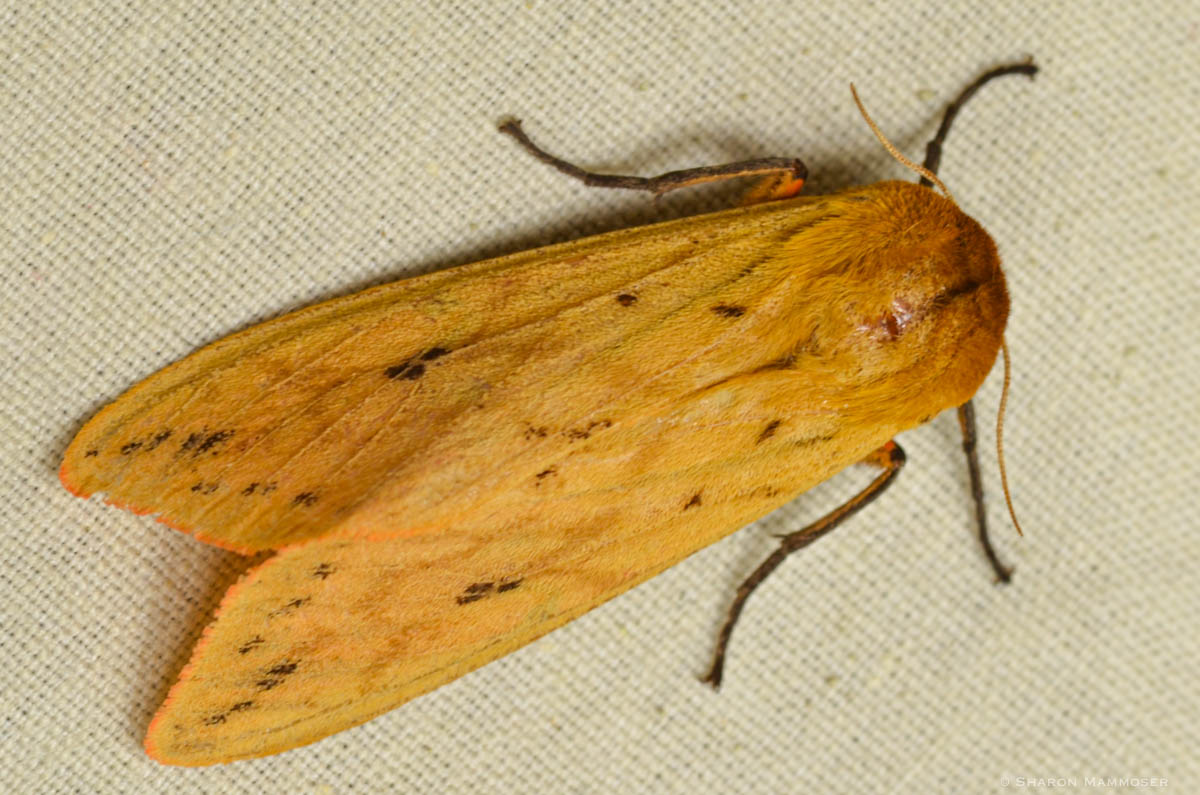
4. Isabella Tiger Moth– Wooly Bear Caterpillar
Host plants: many low-growing herbaceous plants including dandelion, grass, lettuce, meadowsweet and nettle
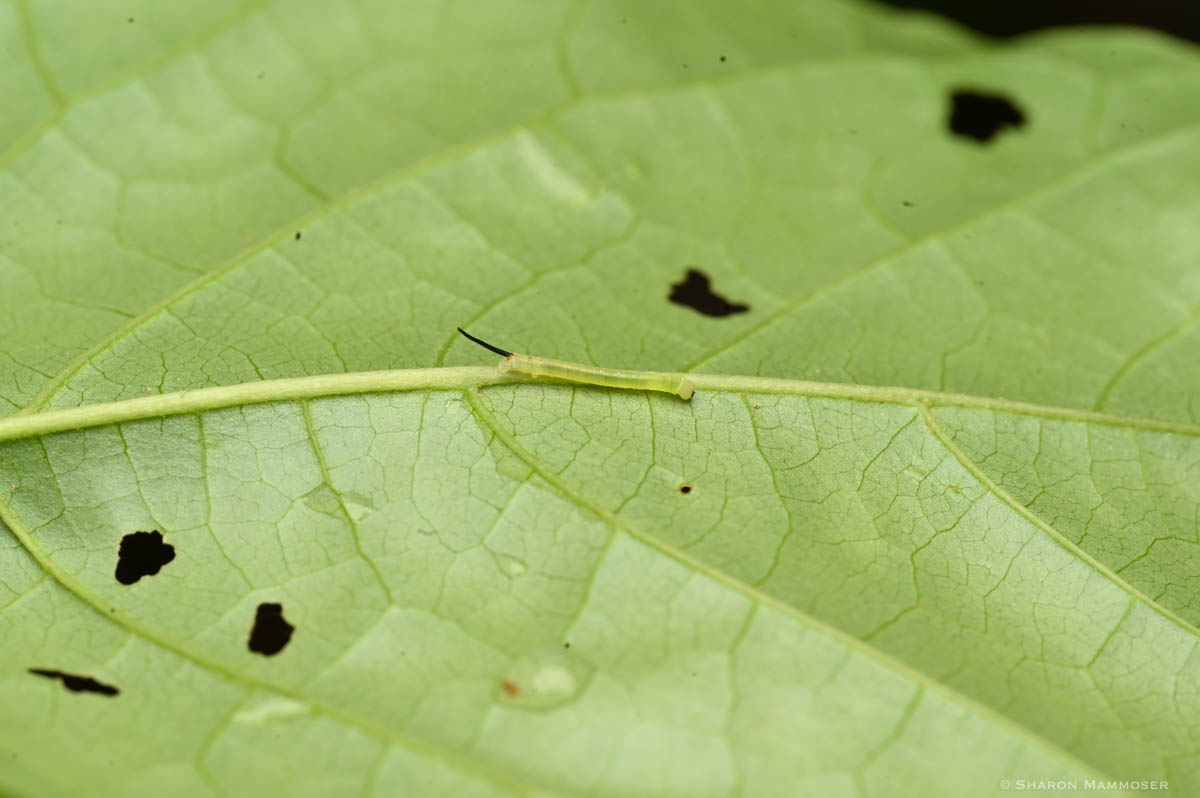
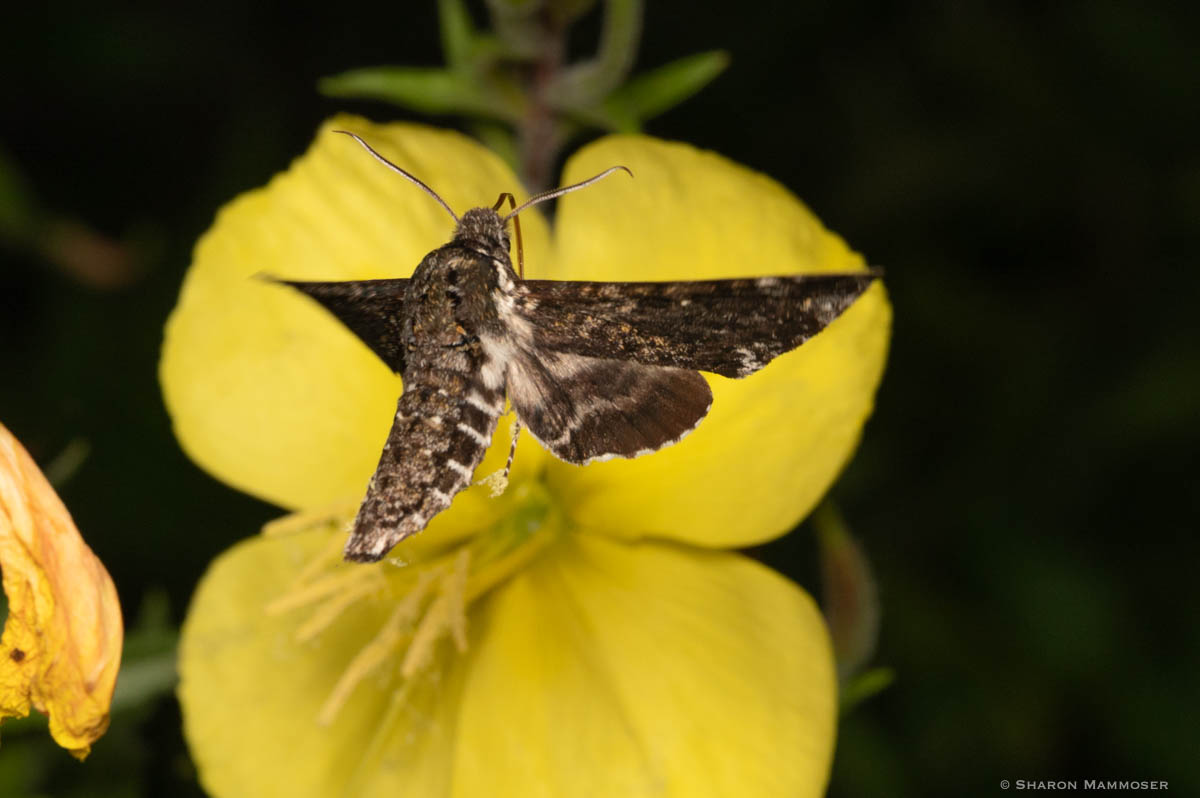
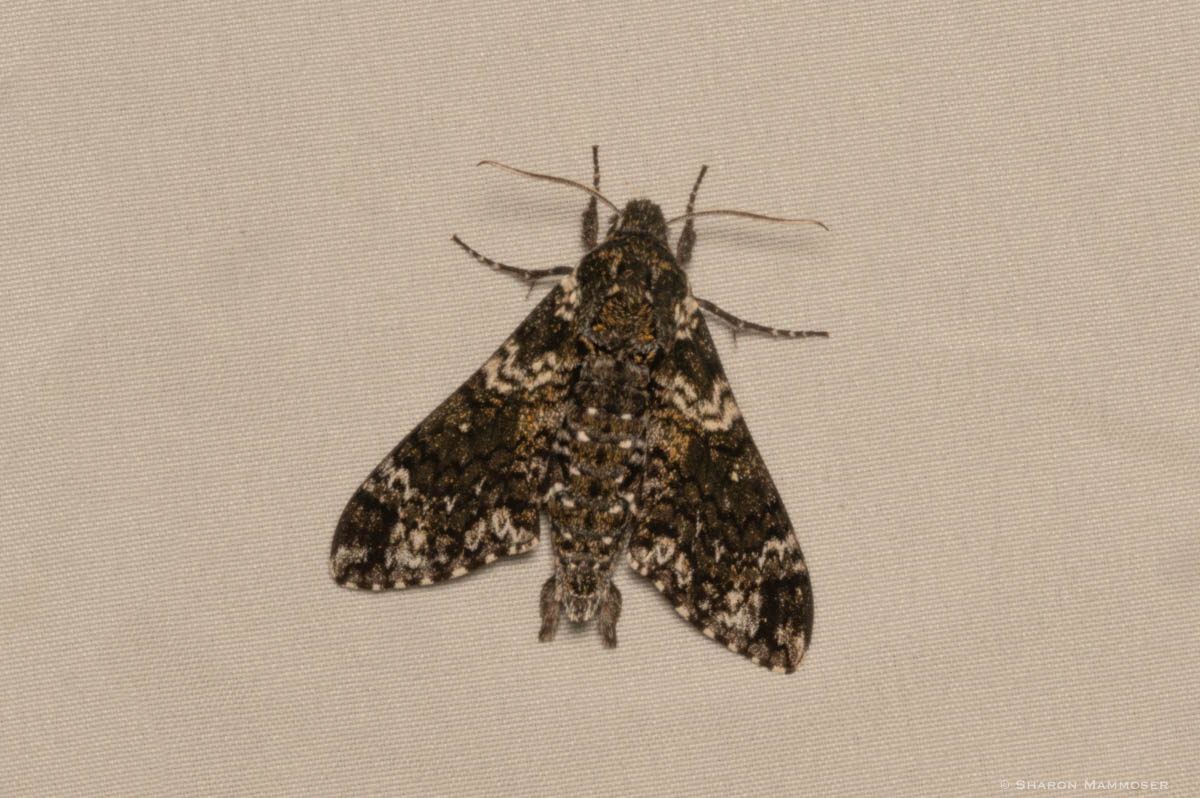
5. Pawpaw Sphinx Moth
Host plants: pawpaw, deciduous hollies, inkberry

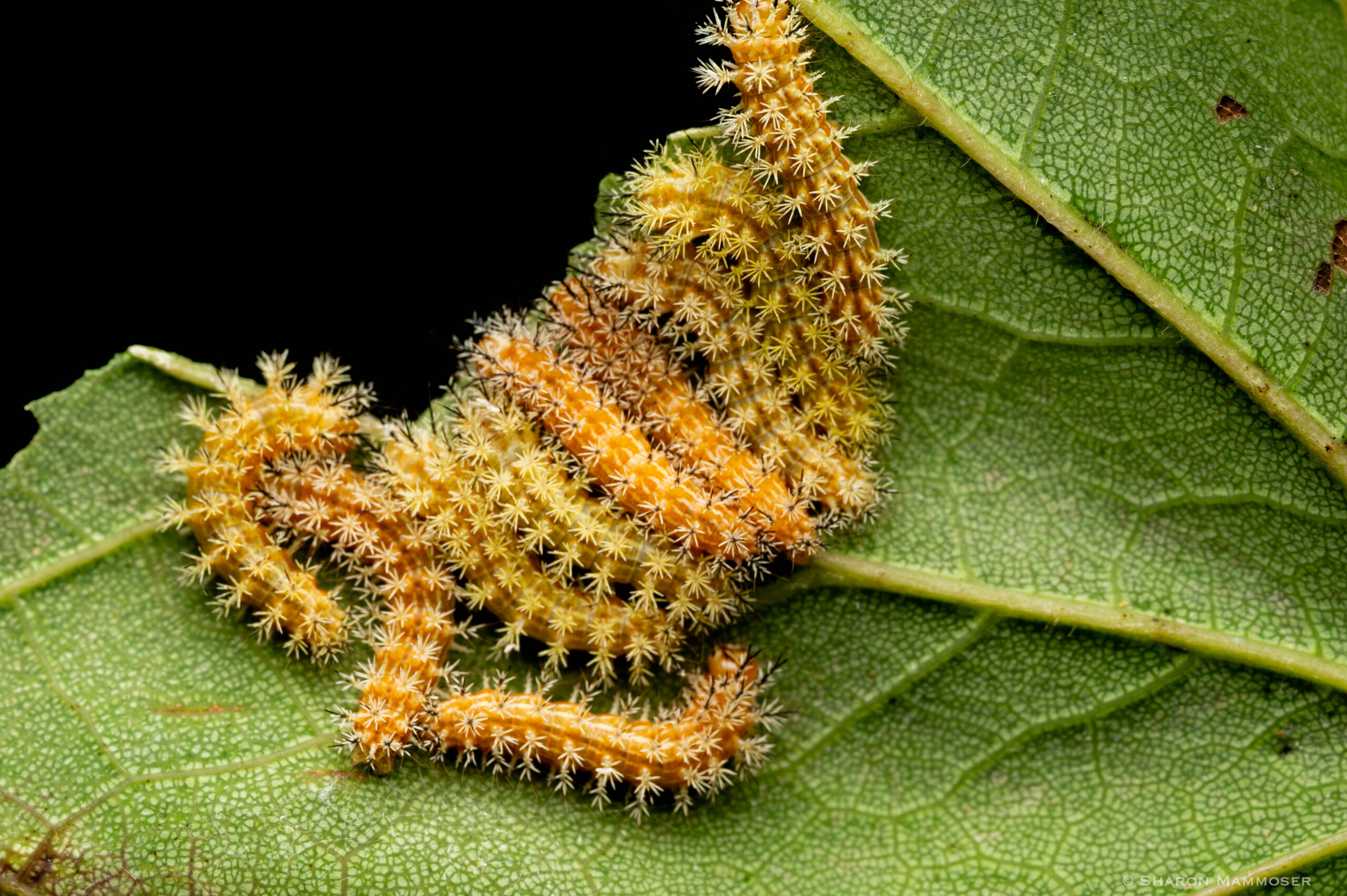
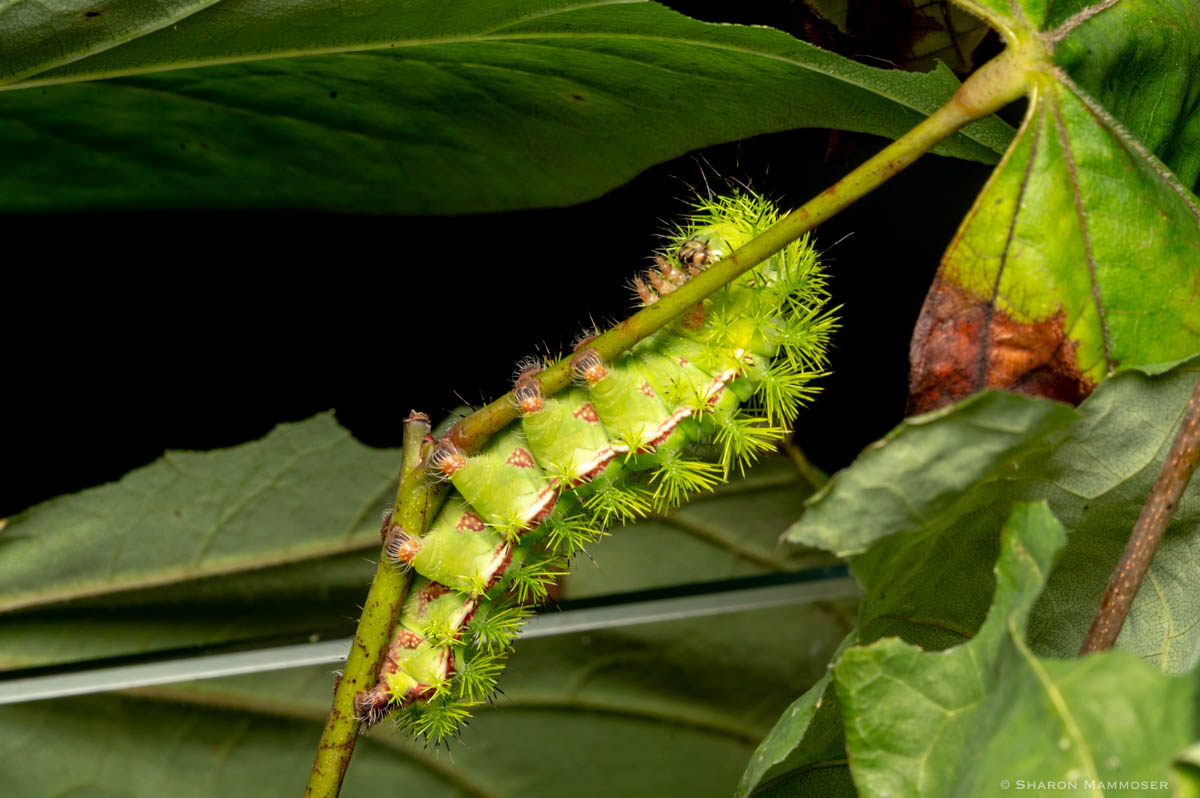
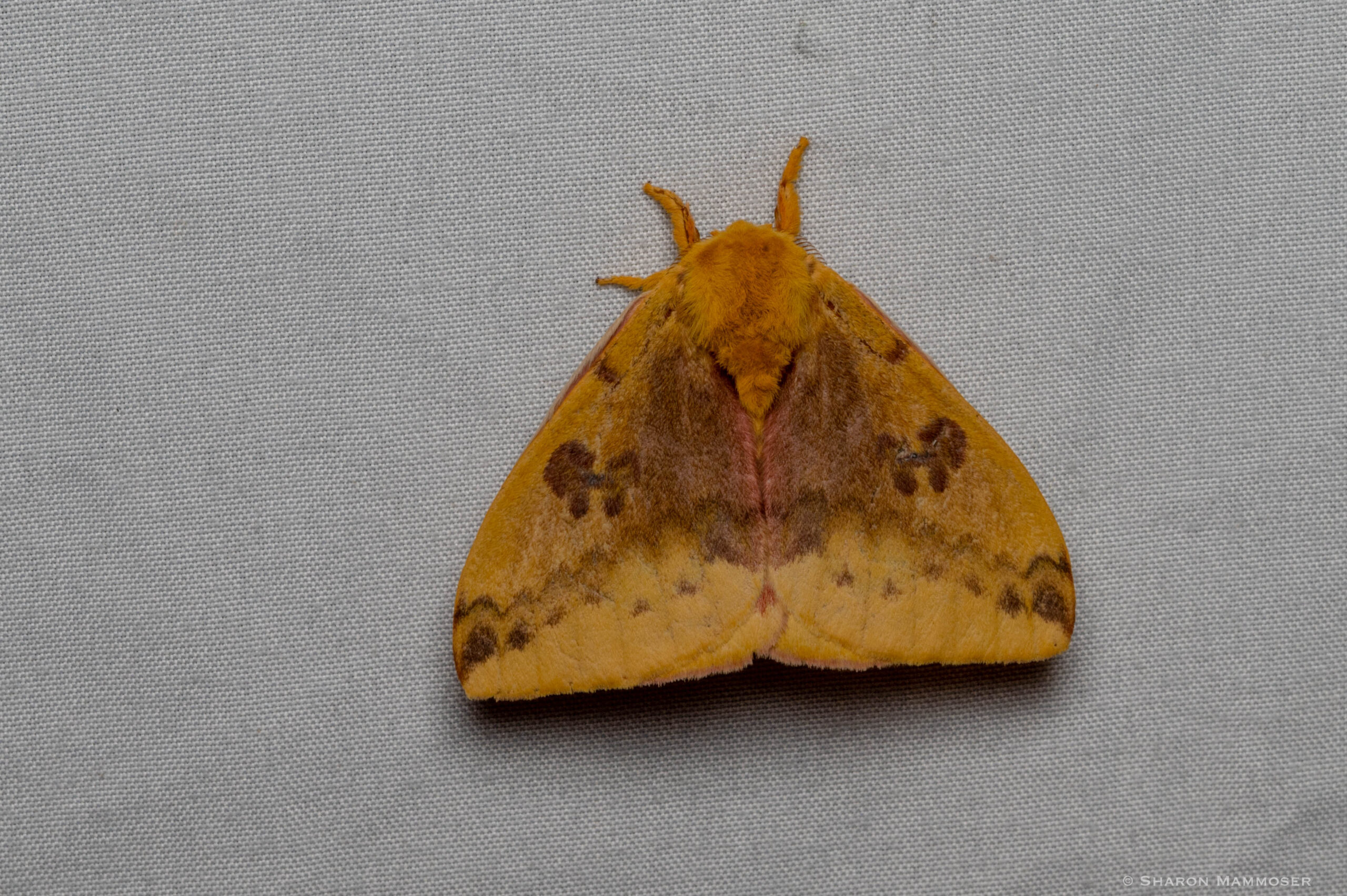
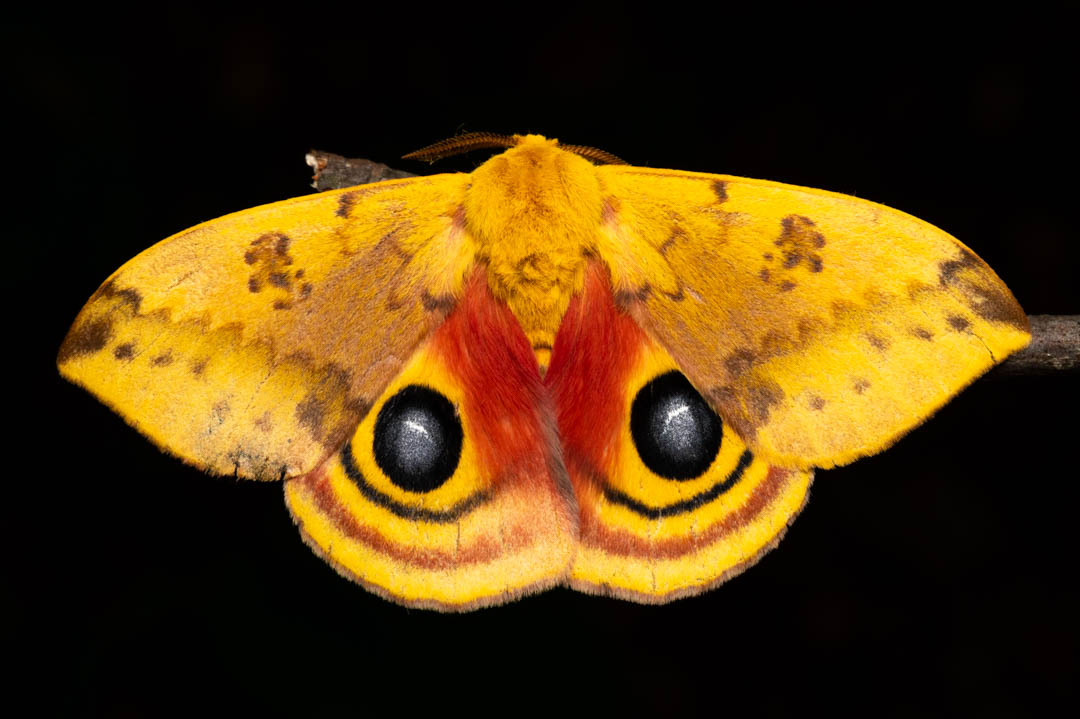
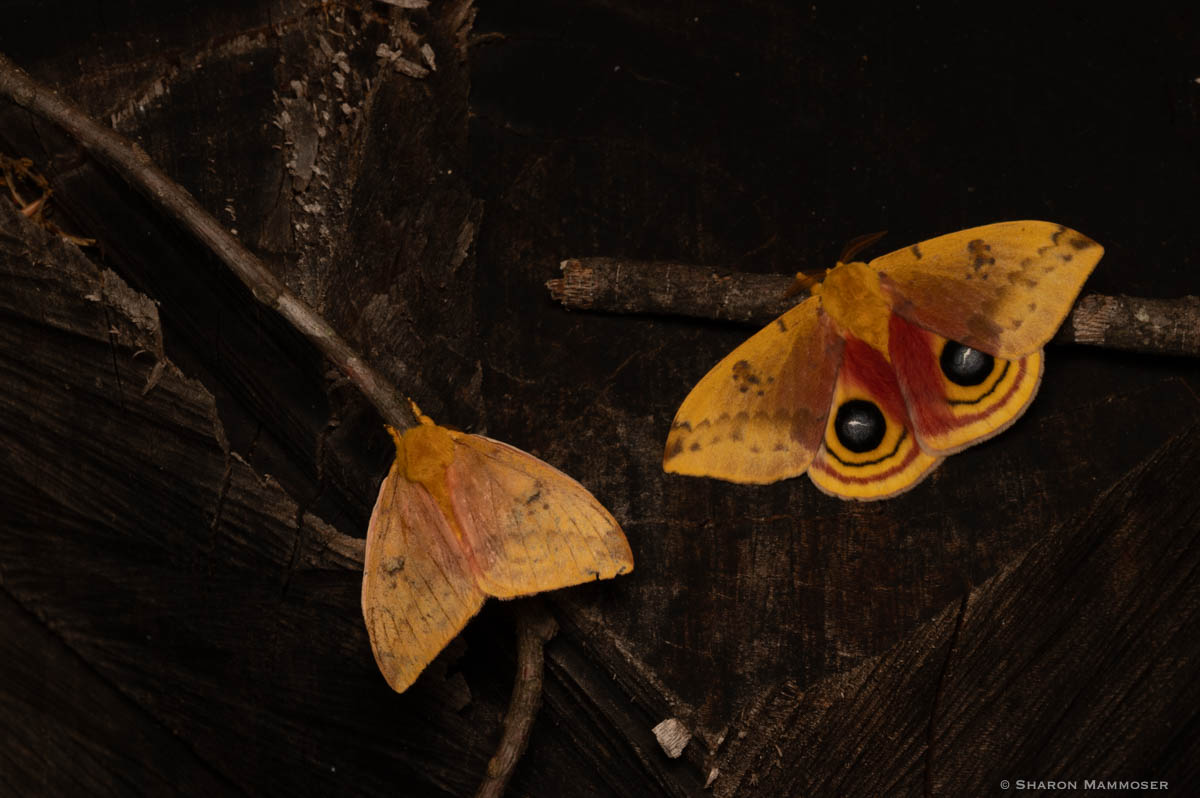
6. Io Moth
Host plants: aspen, birch, blackberry, cherry, clover, elm, hackberry, hibiscus, oak, poplar, sassafras, willow, and many more
LOOK, BUT DON’T TOUCH! This caterpillar’s spines can sting when touched roughly.
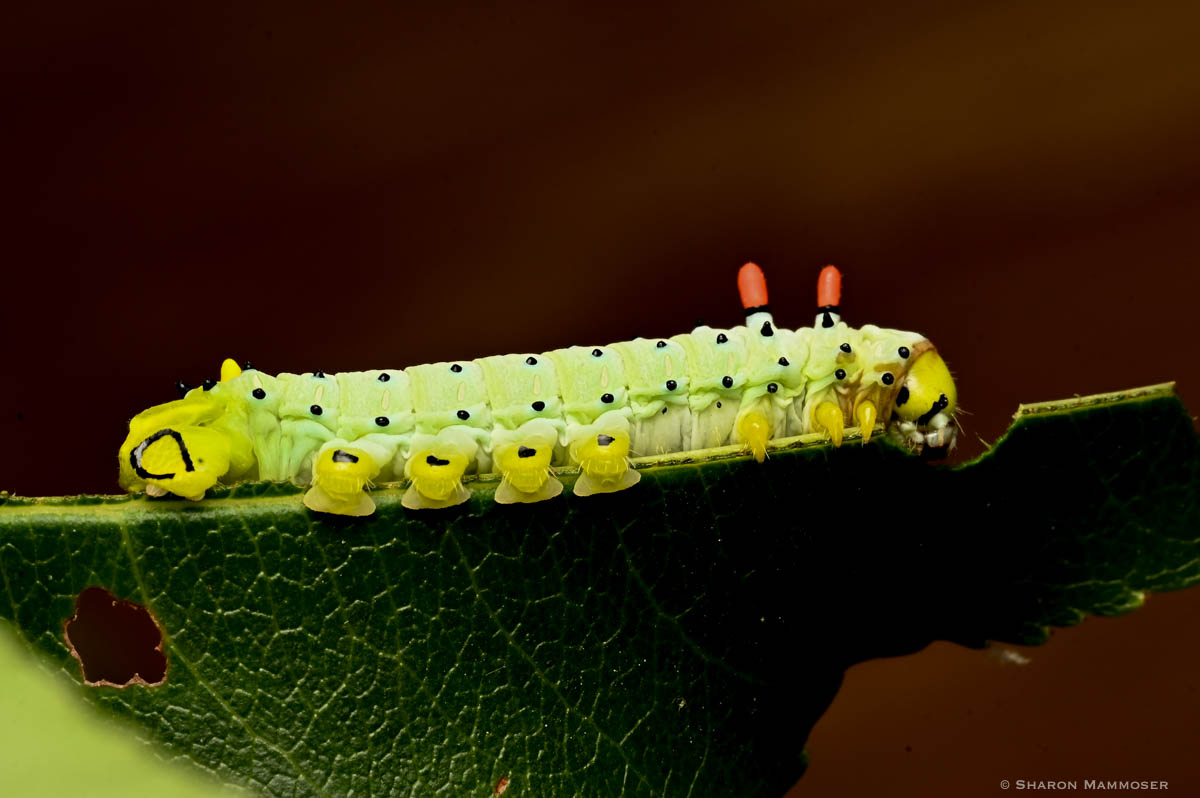
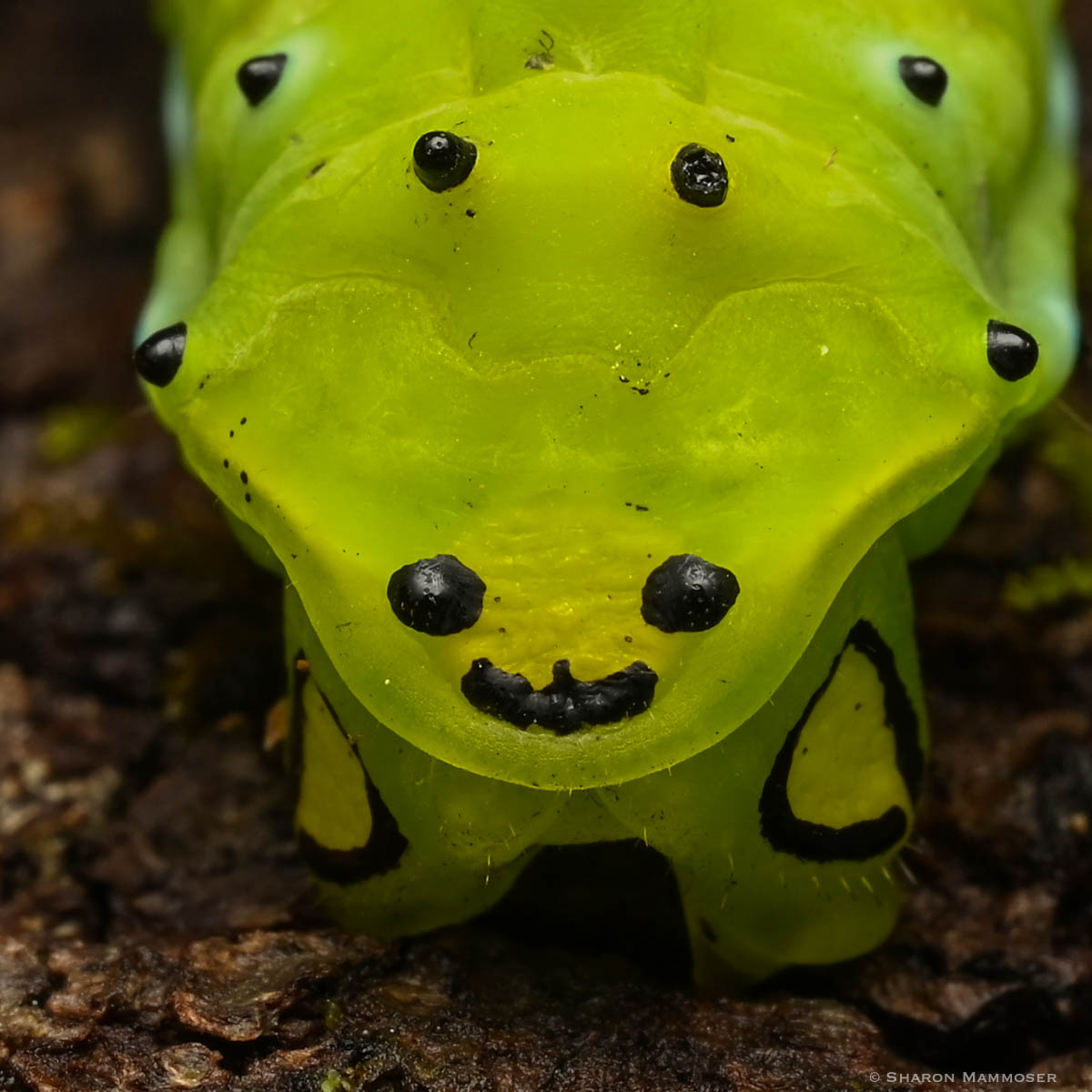
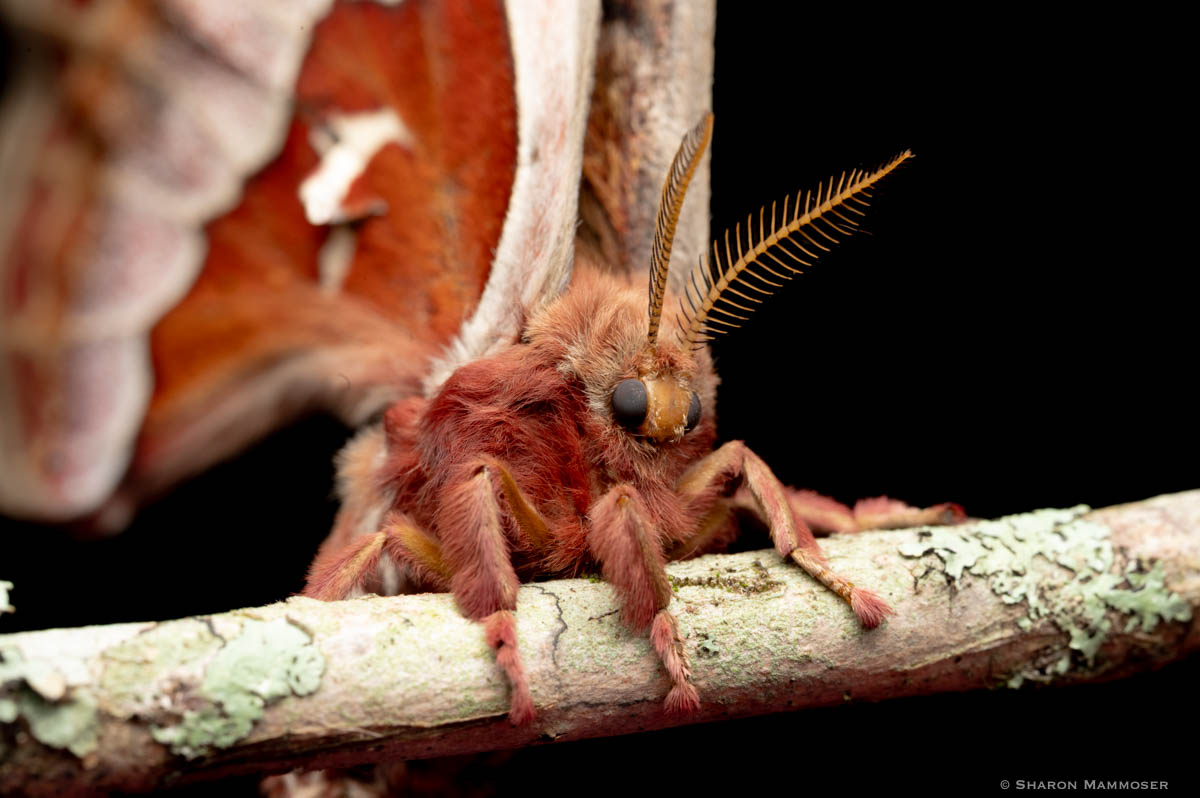
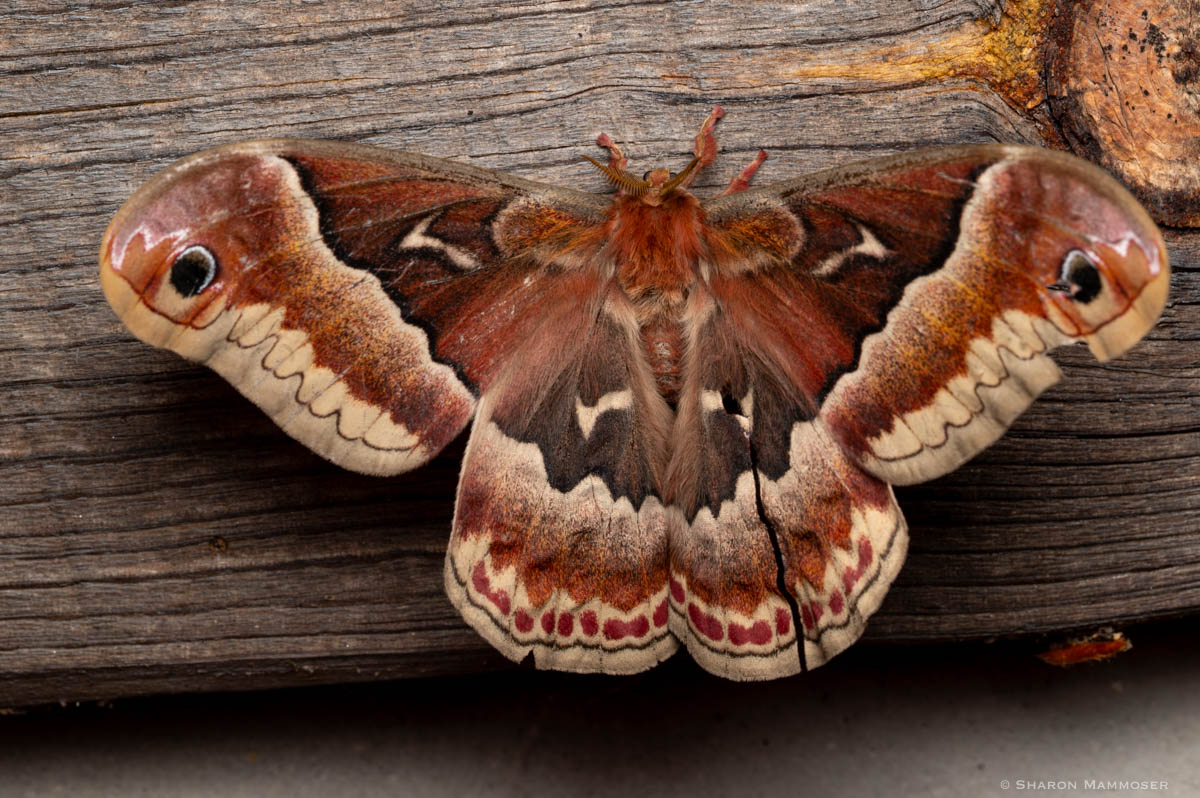
7. Promethea
Host plants: ash, buttonbush, cherry, lilac, magnolia, sassafras, silver bells, spicebush, sweet bay, sweet gum, tulip tree and many more.
8. American Dagger Moth
Host plants: elm, alder, hornbeam, ash, basswood, oak, maple, poplar, redbud, sycamore, walnut, willow, birch, box elder, chestnut, hazel and many more.
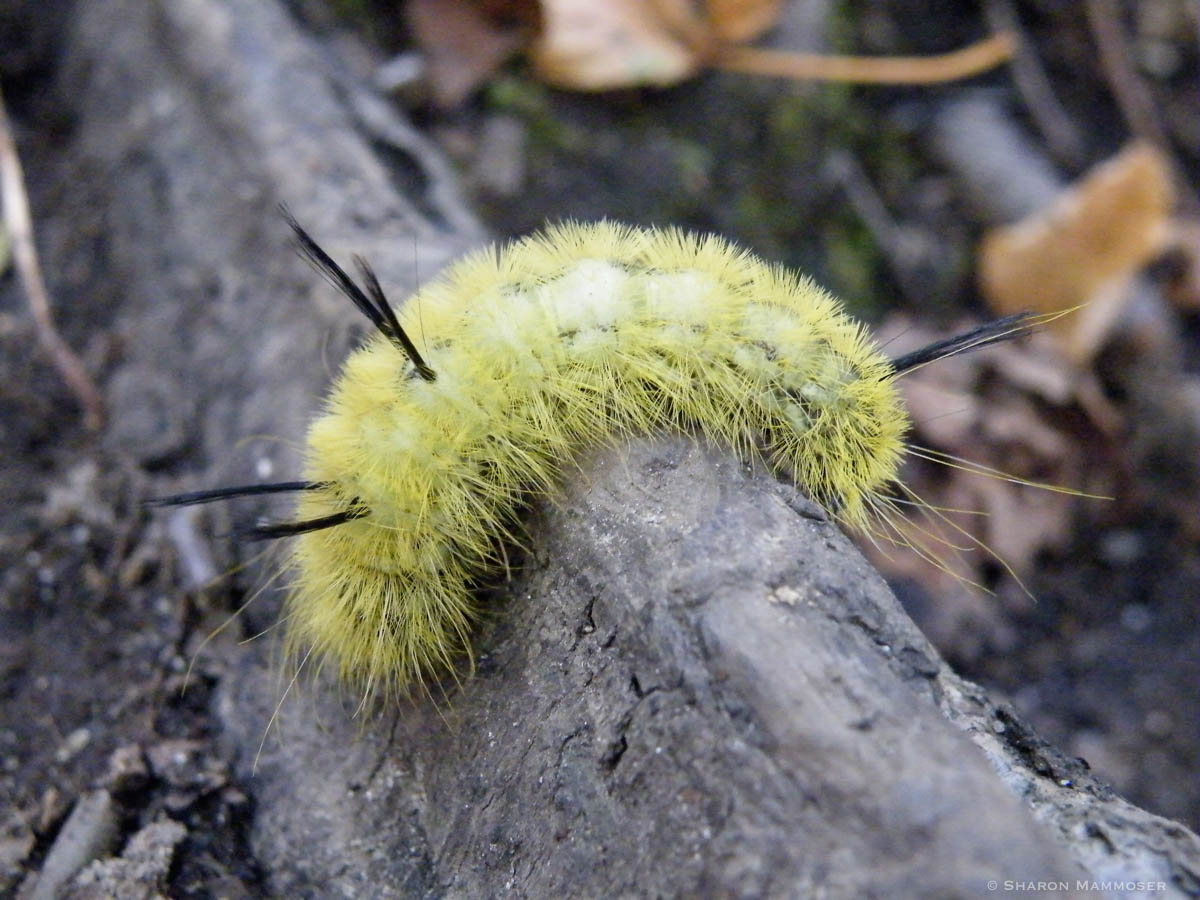
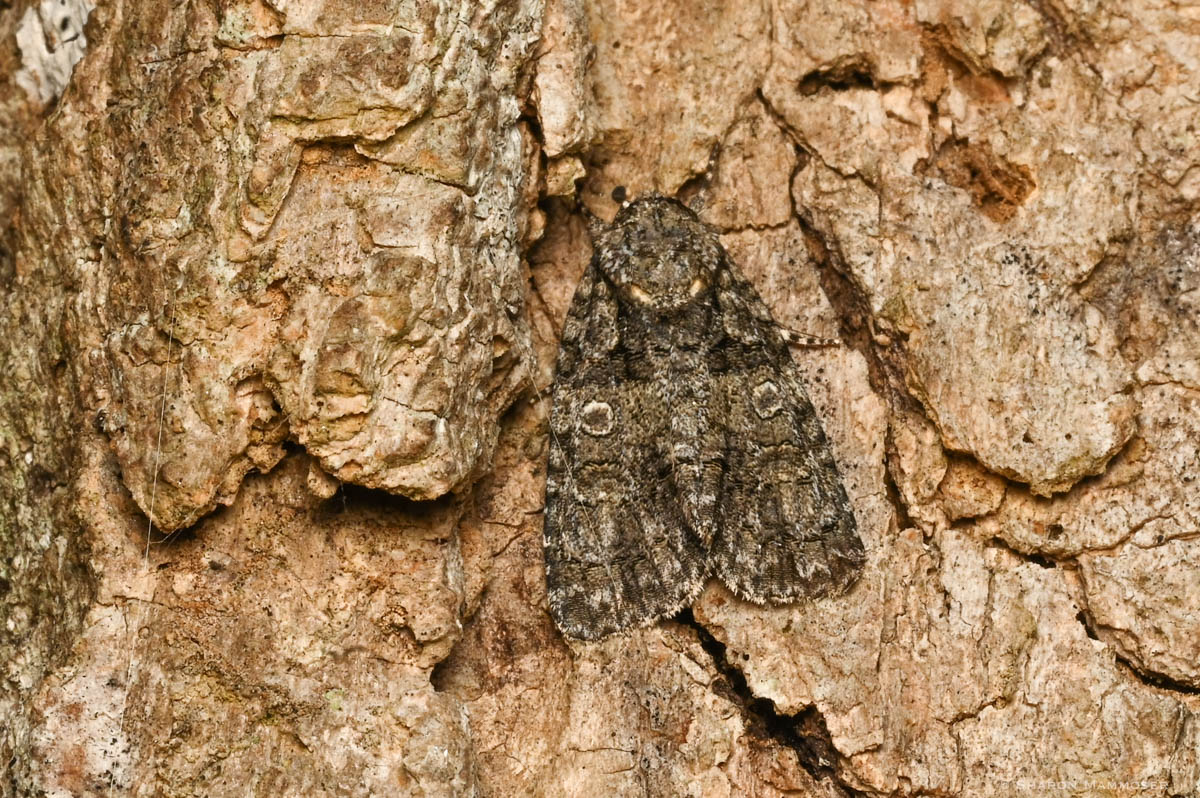
9. Elm Sphinx, aka Four-Horned Sphinx
Host plants: principally basswood and elm, also birch
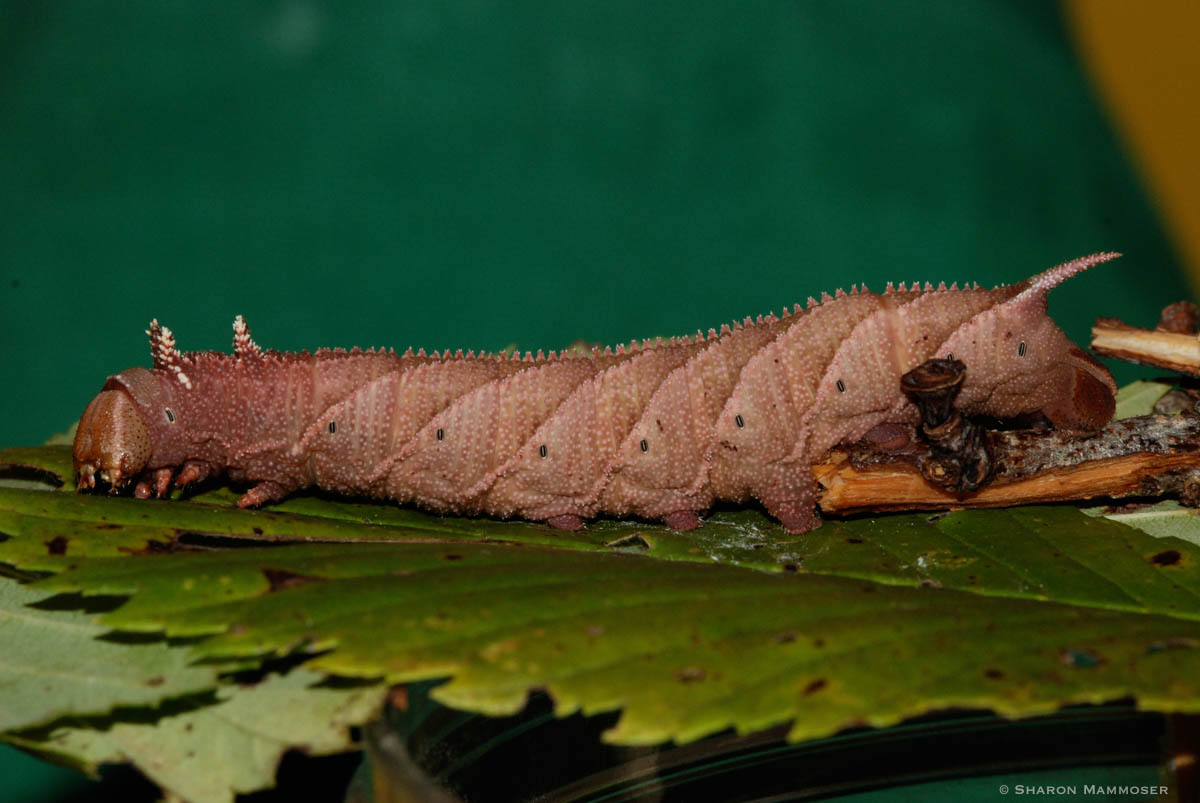
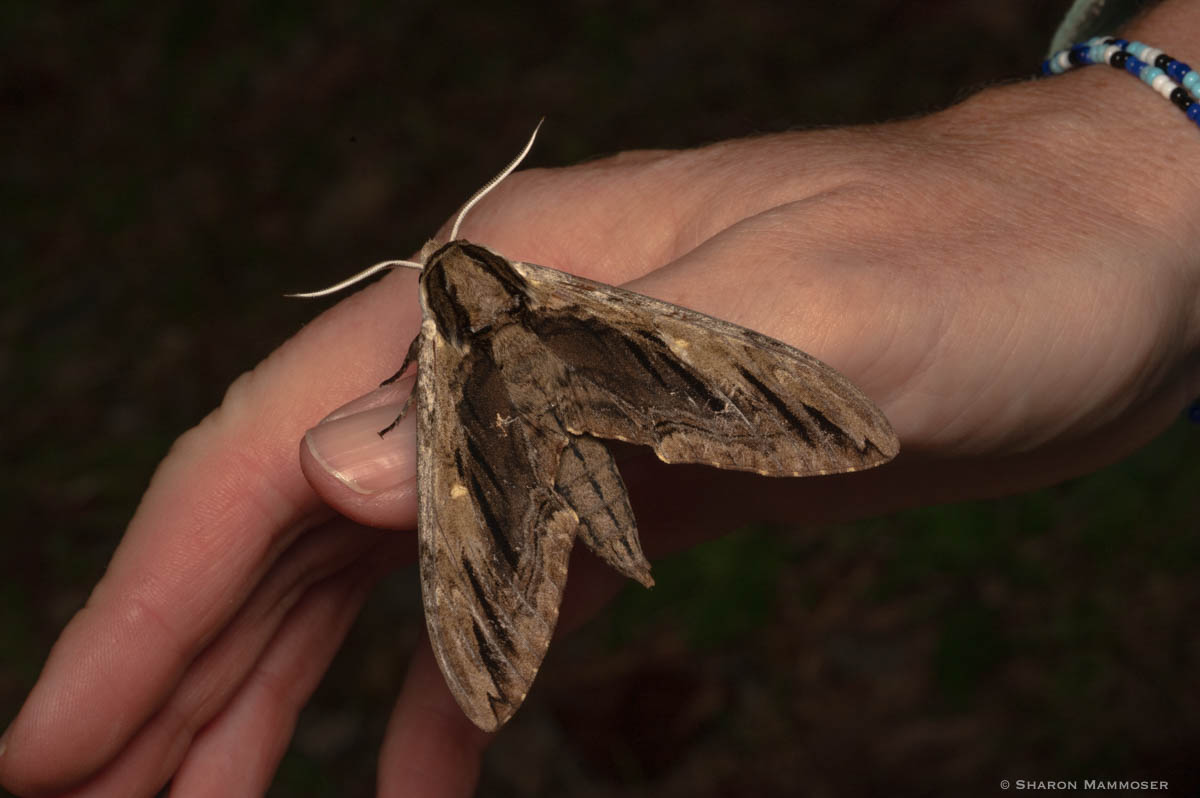
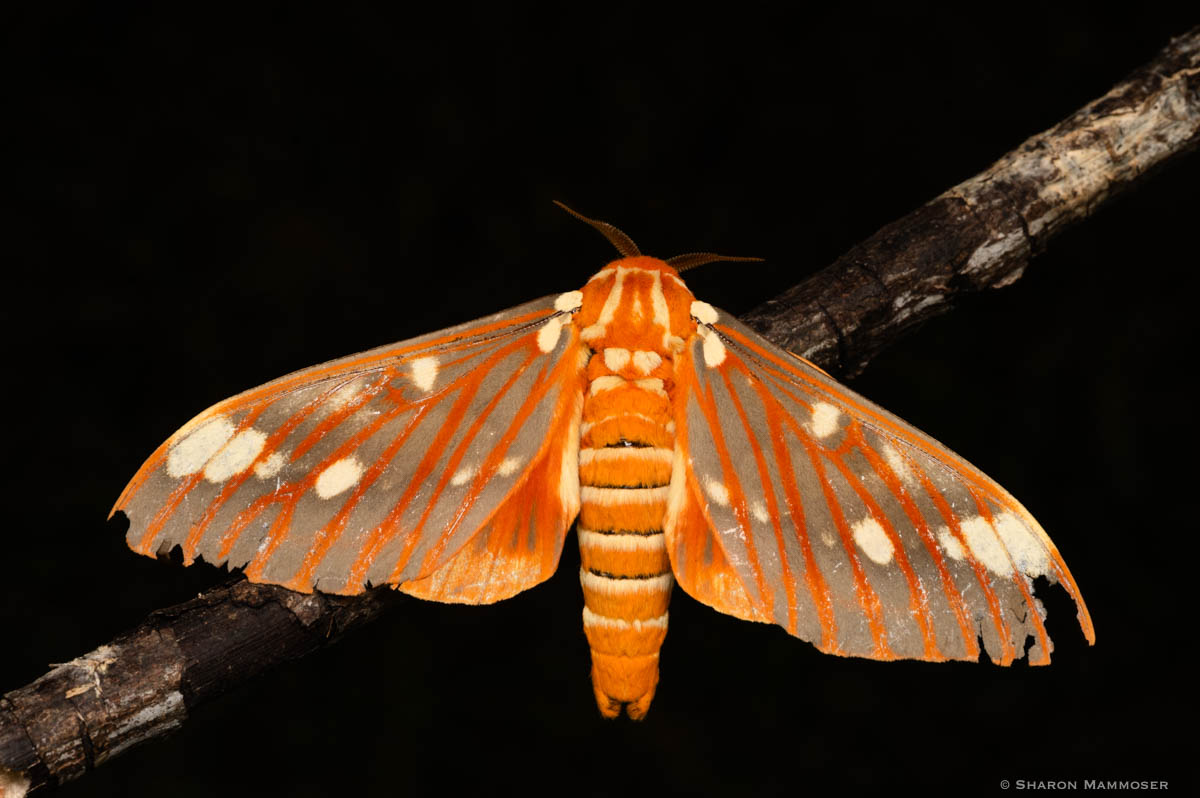
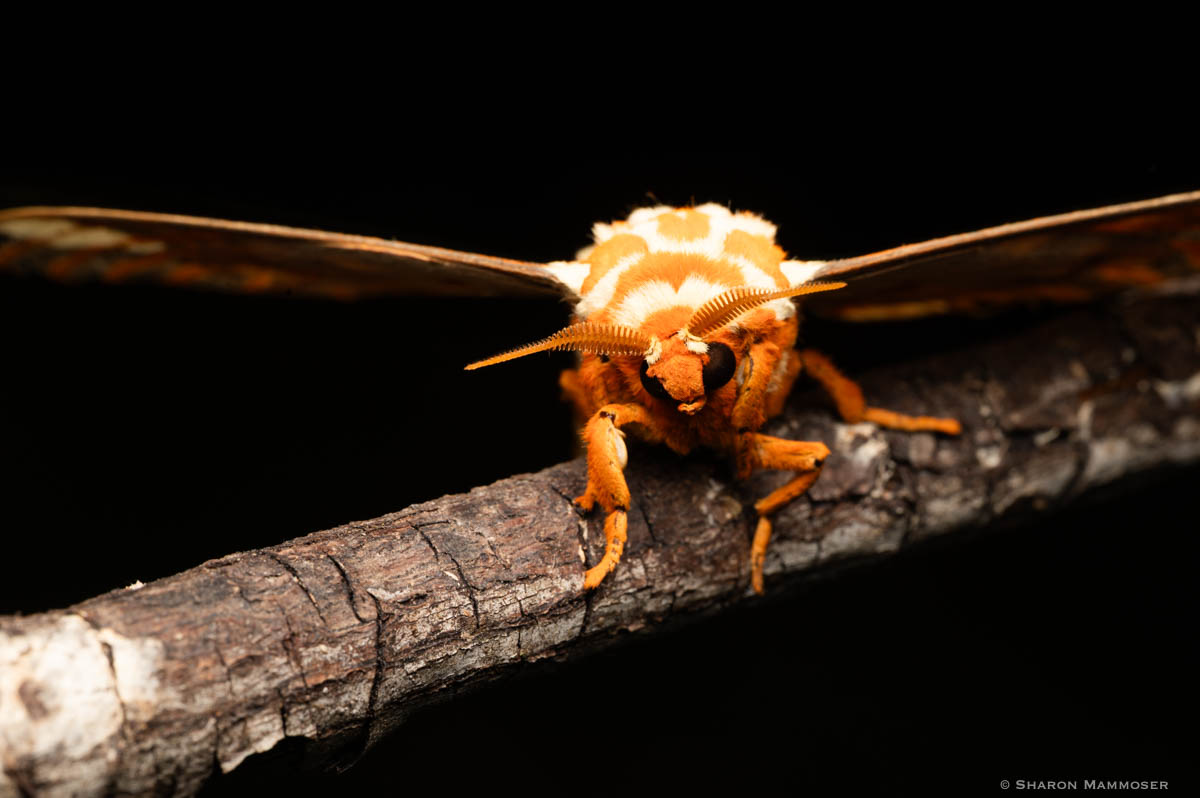
10. Regal Moth, Known as a Hickory Horned Devil
Host plants: ash, butternut, cherry, hickory, lilac, pecan, sumac, sweet gum, sycamore, walnut and others
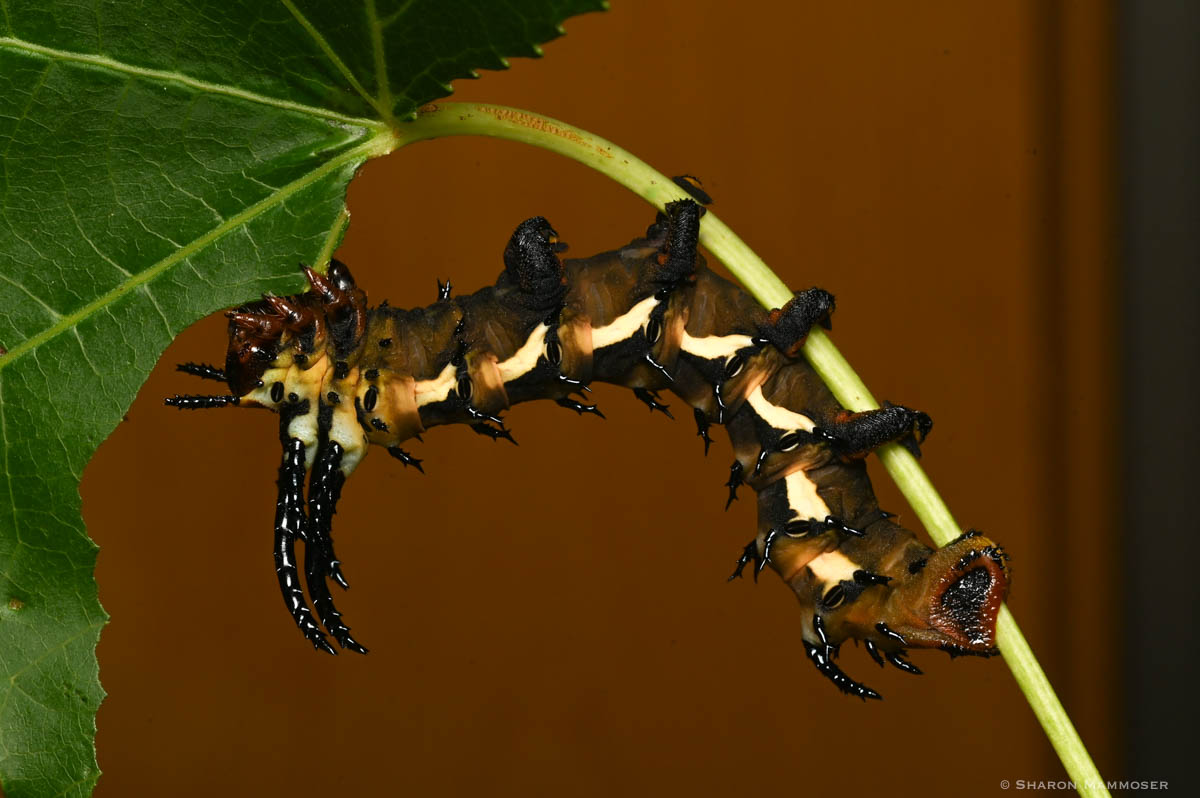 A regal moth caterpillar looks fierce in its last instar– commonly called a hickory horned devil.
Of course there are a lot more! I have tons of photos of adult moths, but not as many caterpillars. They are much harder to find! I’d hate to be a chickadee or other bird and need to find 7000 to feed my babies! Seems like that would be impossible, and yet these songbirds do it every summer, sometimes raising two or three broods. That’s a lot of caterpillars!
Which one here is your favorite? Have you seen any of these moths or caterpillars?
If you want to join us for a night of mothing, here’s the link to grab your spot. Only 16 guests per night.