

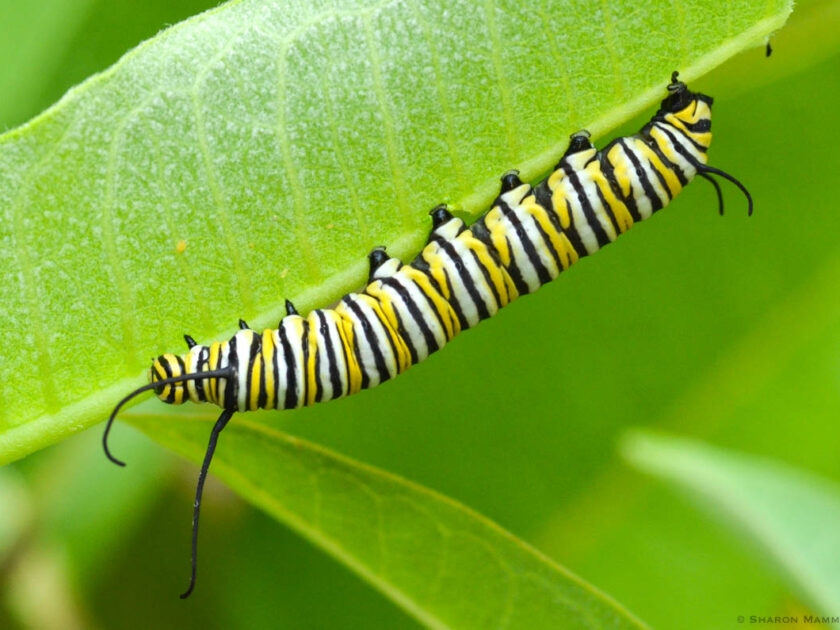
Have you ever been out in your yard or garden and come across a big, fat “worm” feasting on your plants? Maybe you were horrified, thinking “Holy cow! That caterpillar is going to eat a LOT of leaves from my ___ plant ,” or “What? I didn’t plant that ___ to be feasted on by caterpillars!” Many people understandably have an instant reaction to kill the caterpillar before it kills your plants. But wait! Here are a few things to note before you do that: First, these are not worms at all, but BABY butterflies or moths, simply in their larval stage, called caterpillars. Caterpillars look NOTHING like the butterflies and moths they will become–this is a characteristic of insects who go through complete metamorphosis. Their stages are egg, larva, pupa, adult. The adult stage is the one so many people recognize, but the caterpillar stage is also worth knowing because without caterpillars, there will be no butterflies. And to take that one step farther, without caterpillars there would be no songbirds since most songbirds–96%– need caterpillars when raising babies.
Second, if you want to see butterflies regularly in your yard, one great way to make that happen is to intentionally choose HOST plants–and let them eat these! What’s a host plant you ask? A host plant is the plant or family of plants that the caterpillar requires, the plant that they will feed on until it’s time to pupate and become winged adults. Some are generalists, but most need a specific species or family of plants, such as zebra swallowtails needing pawpaws. Anyone like me who thought as a child that caterpillars could just eat anything green? This is is not the case! Each species of butterfly or moth has a relationship with specific host plants. So if you only plant nectar plants–think all the colorful flowers– the butterflies may visit your yard, but without the host plants, they will keep on going, looking elsewhere for their required hosts to lay their eggs on. Why not make it easier for them and have both nectar AND host plants? It is definitely something to consider and if done right, can really become a source of entertainment for you and your family. What’s not to love about watching caterpillars become butterflies? We definitely need to change the way we look at our yards and gardens, considering those who share the spaces instead of choosing only beautiful flowers.
If you’re a nature lover like me, and want the best for our outdoor neighbors, including butterflies and moths, we need to embrace imperfection in our yards and gardens. Instead of being horrified when you find a caterpillar in your garden, try celebrating these baby butterflies and moths, knowing they are going to bring beauty to the world, pollinate flowers, and add to the food web, all while supporting many, many other animals and boosting the biodiversity of the ecosystem.
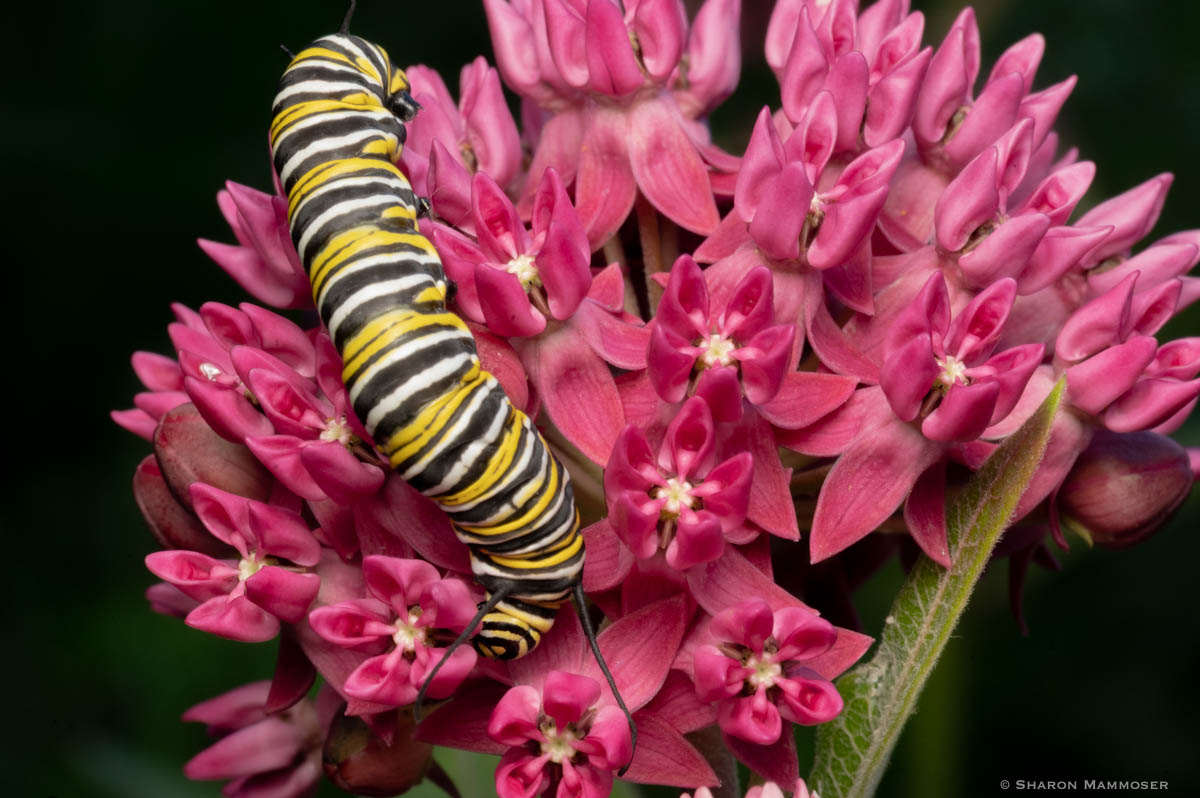
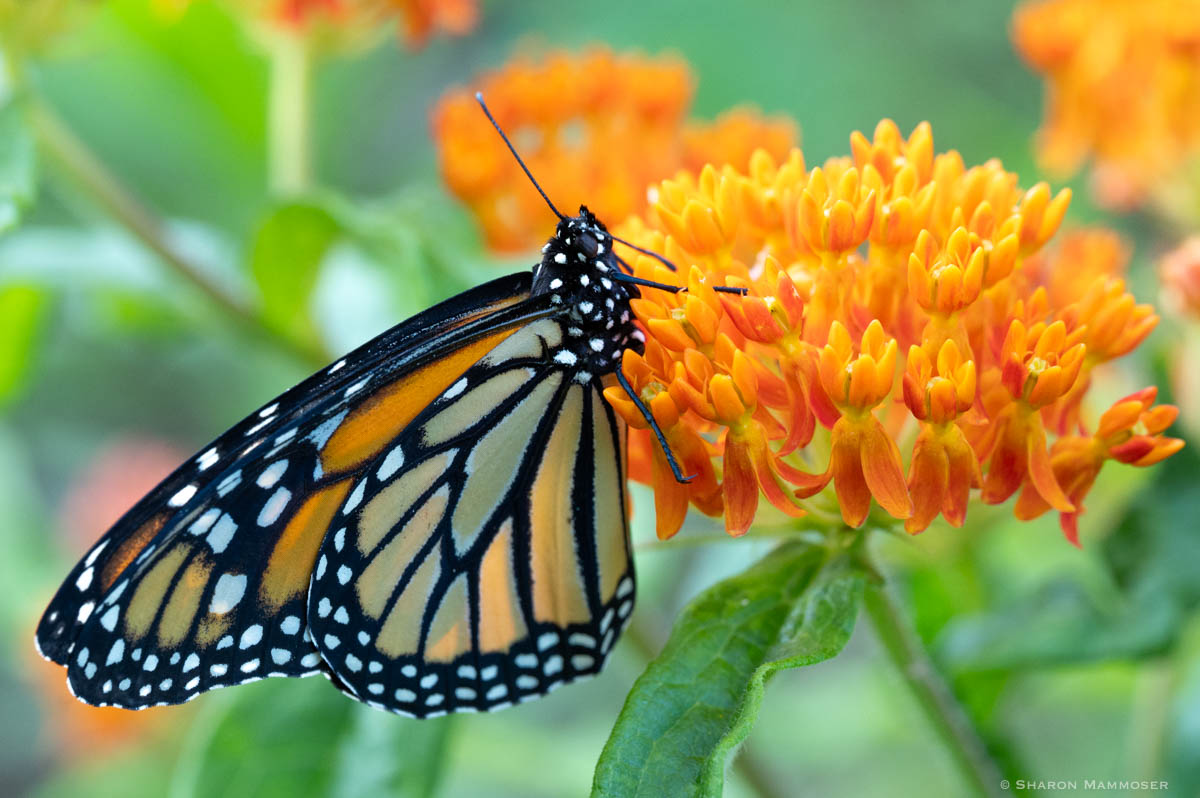
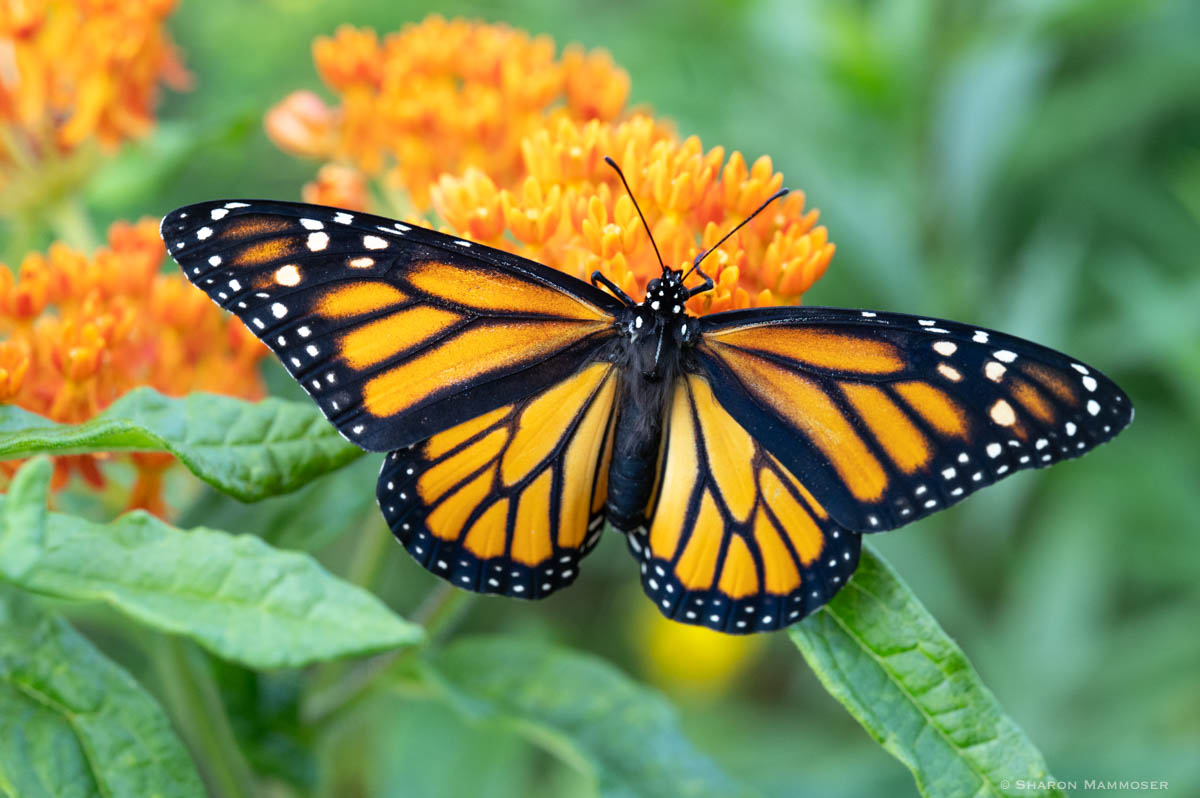
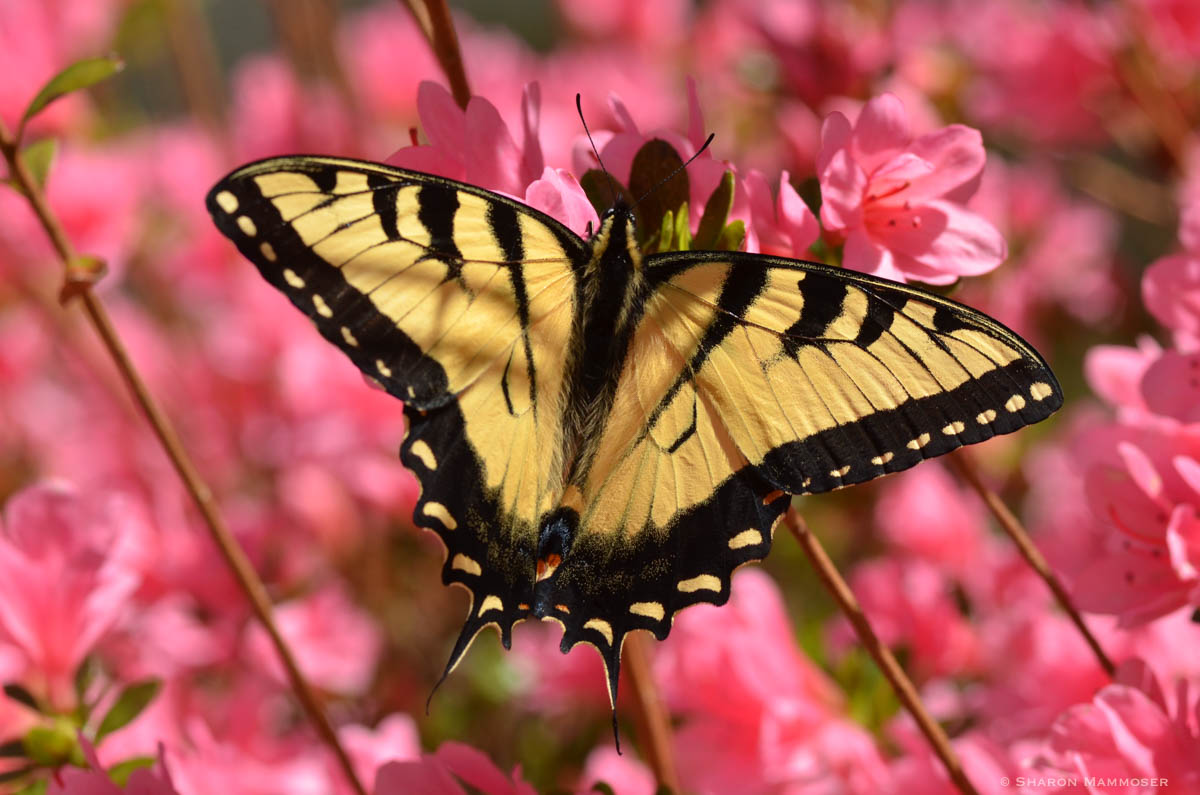
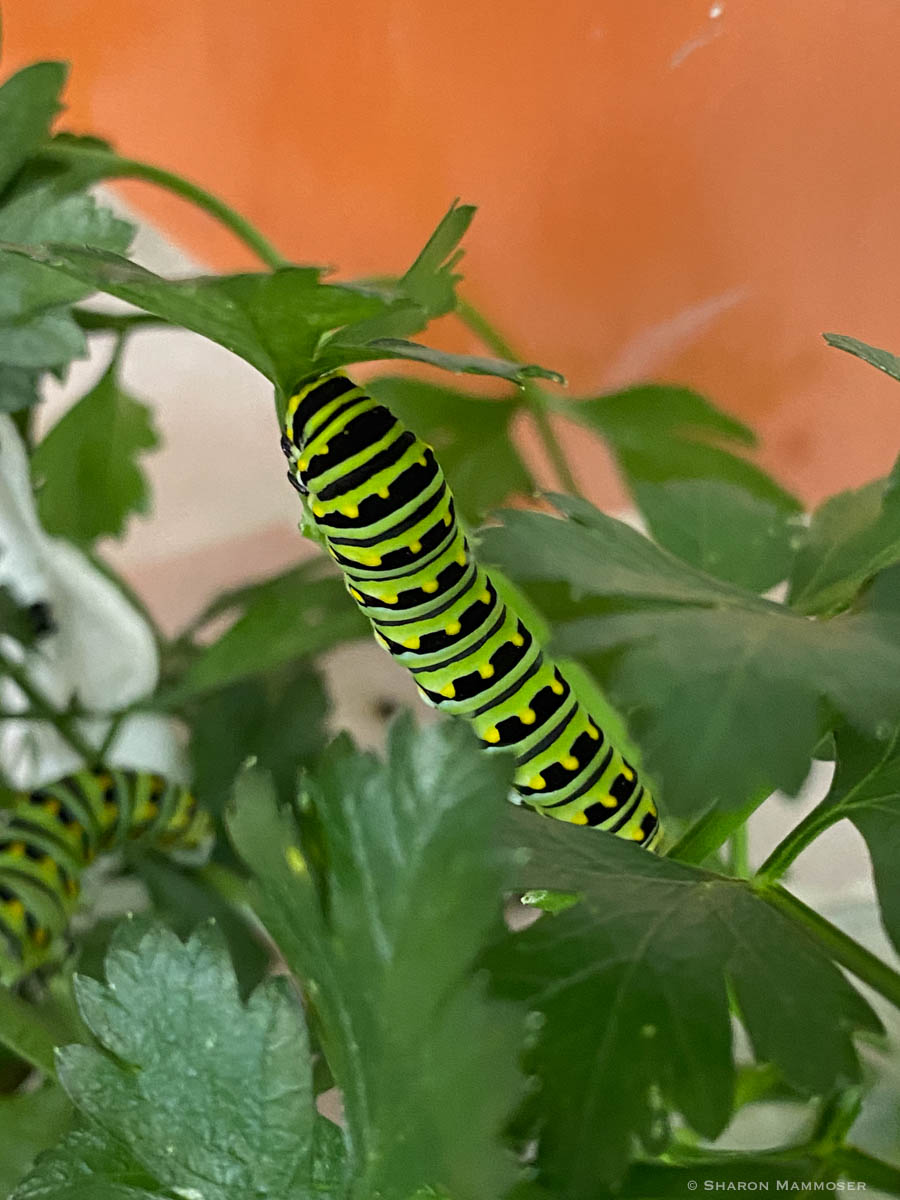
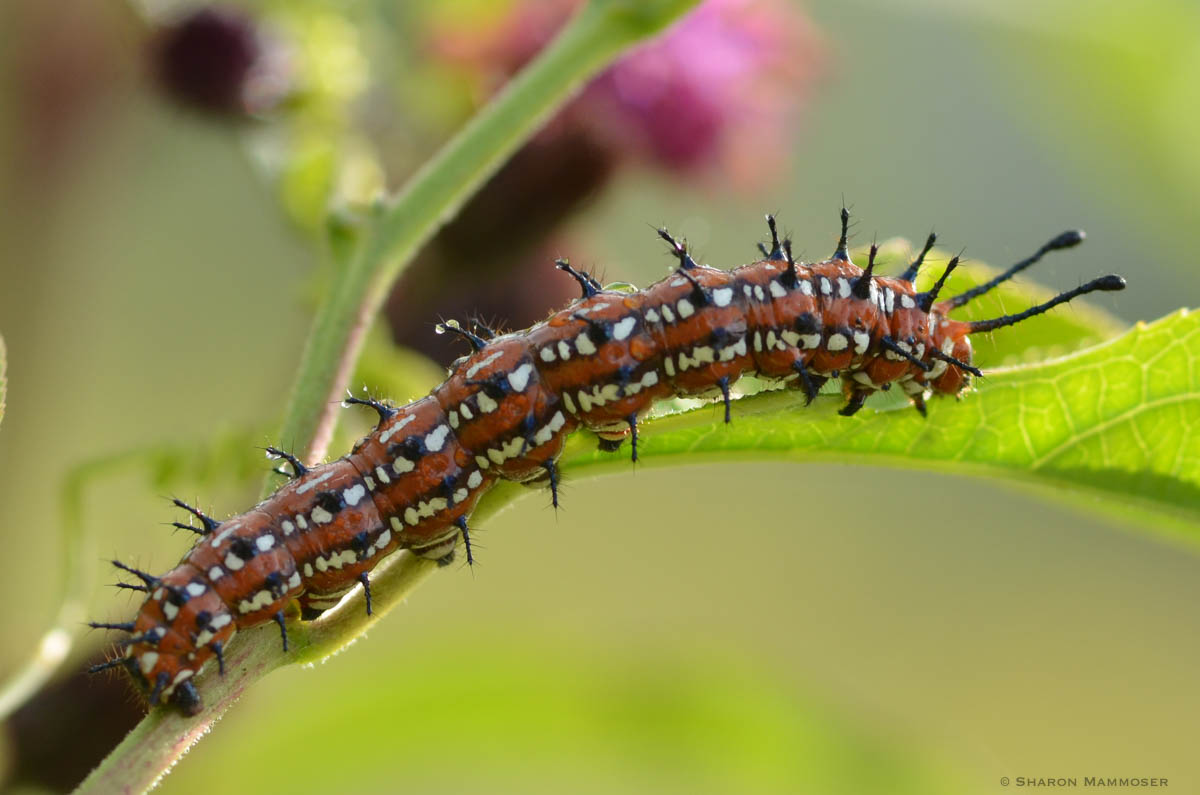
Here are ten butterflies, shown in their caterpillar form, and again in their adult form, along with a list of some of their host plants (there may be others.) Two things worth noting: 1. Caterpillars go through a number of molts (shedding their skin, usually 5) before making a chrysalis. These stages are called instars and each one can look remarkably different than the other instars. I am not showing you all of the instars here. And 2. Remember when choosing host plants for your yard to always pick ones that are NATIVE to your area. In doing so, the caterpillars will recognize these and the plants will have the highest chance for success.
1. Monarch
Host plants: Mainly species of milkweed such as common, swamp, poke, butterfly and purple milkweed.
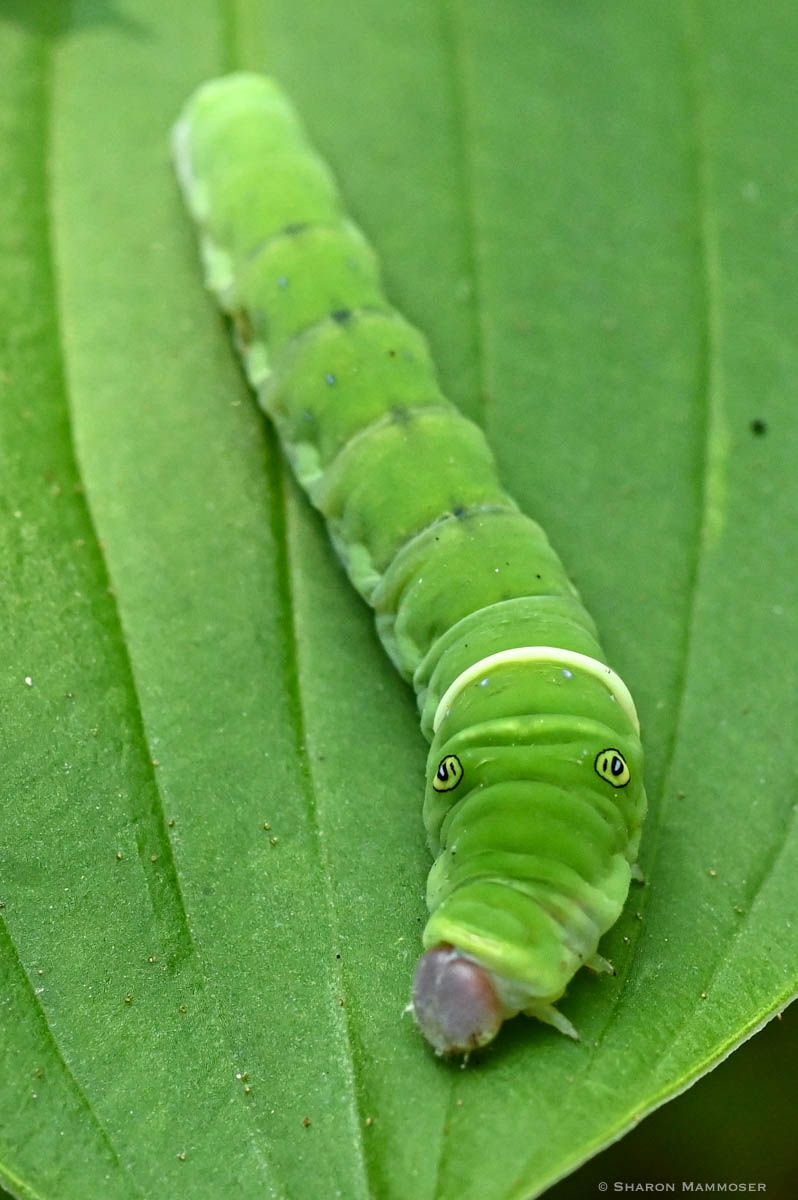
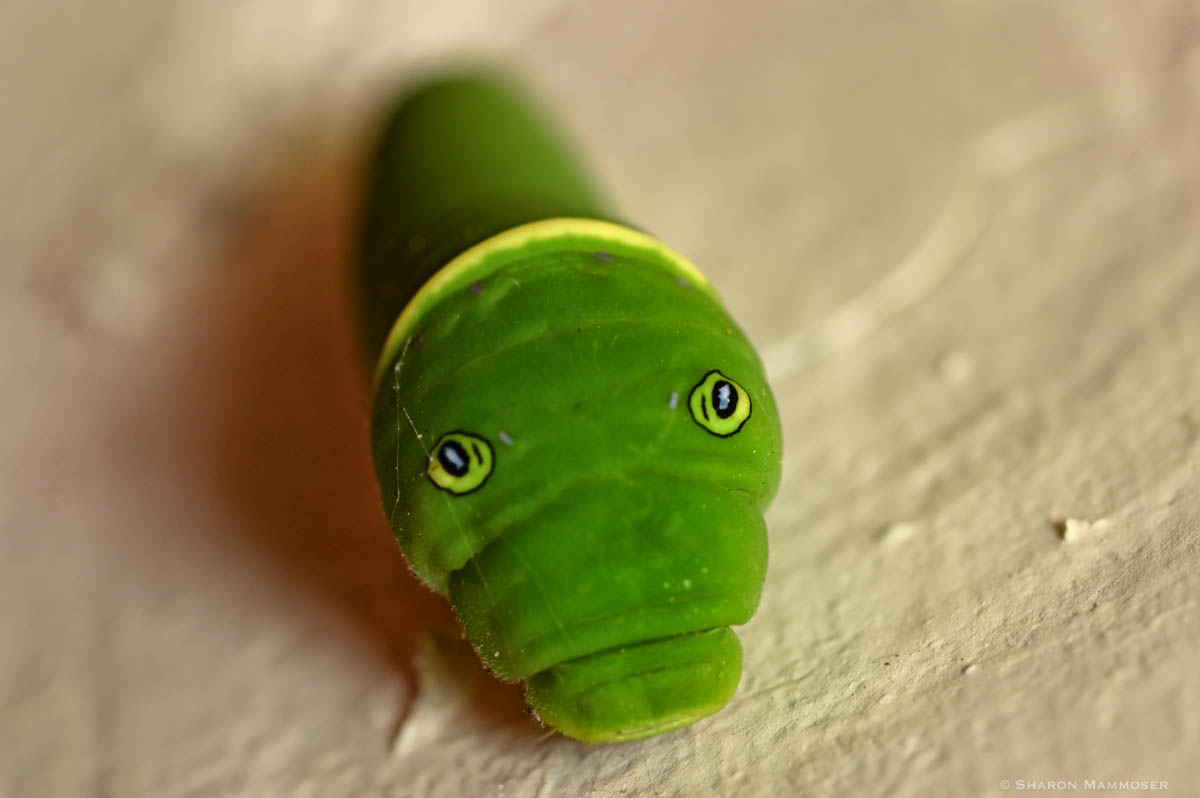
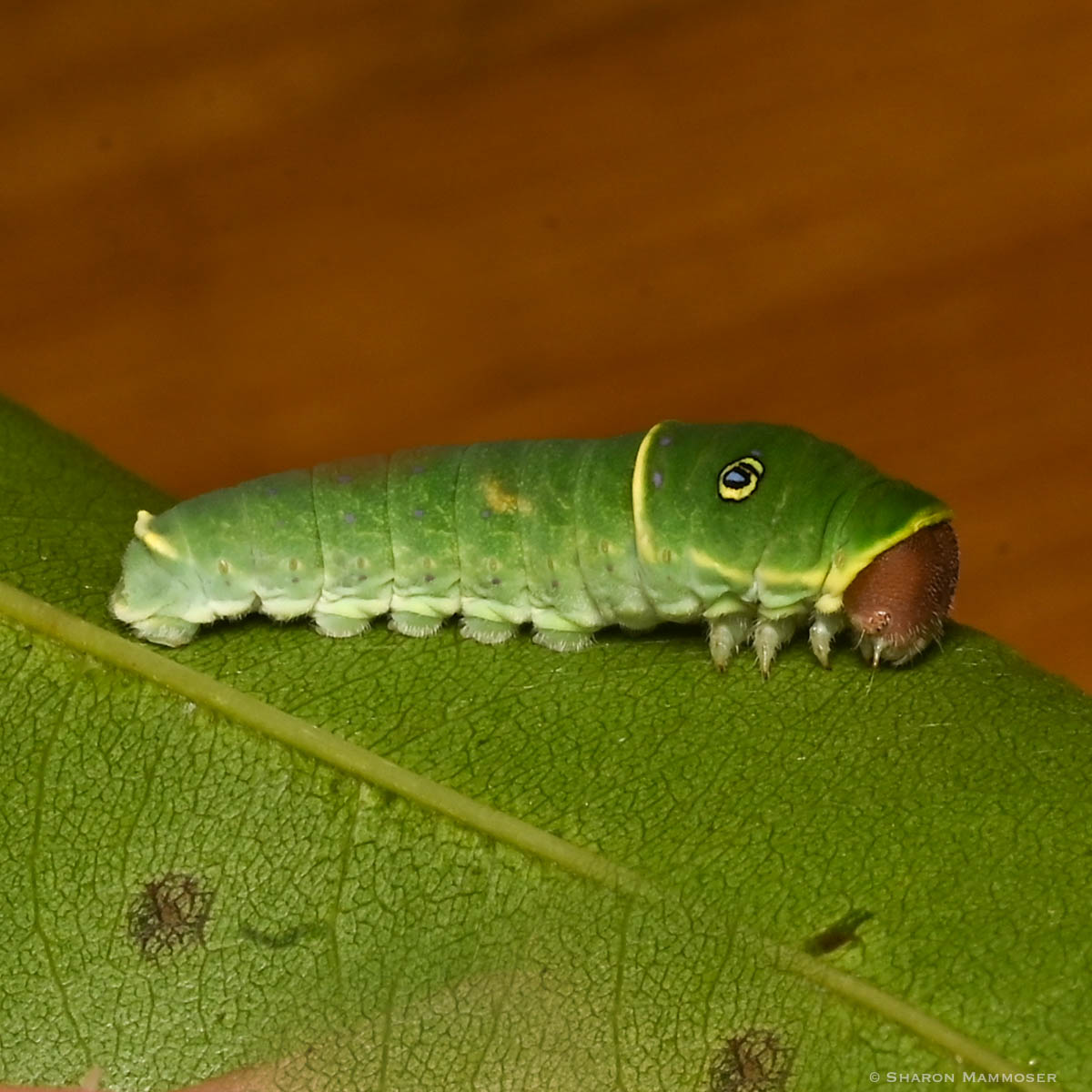
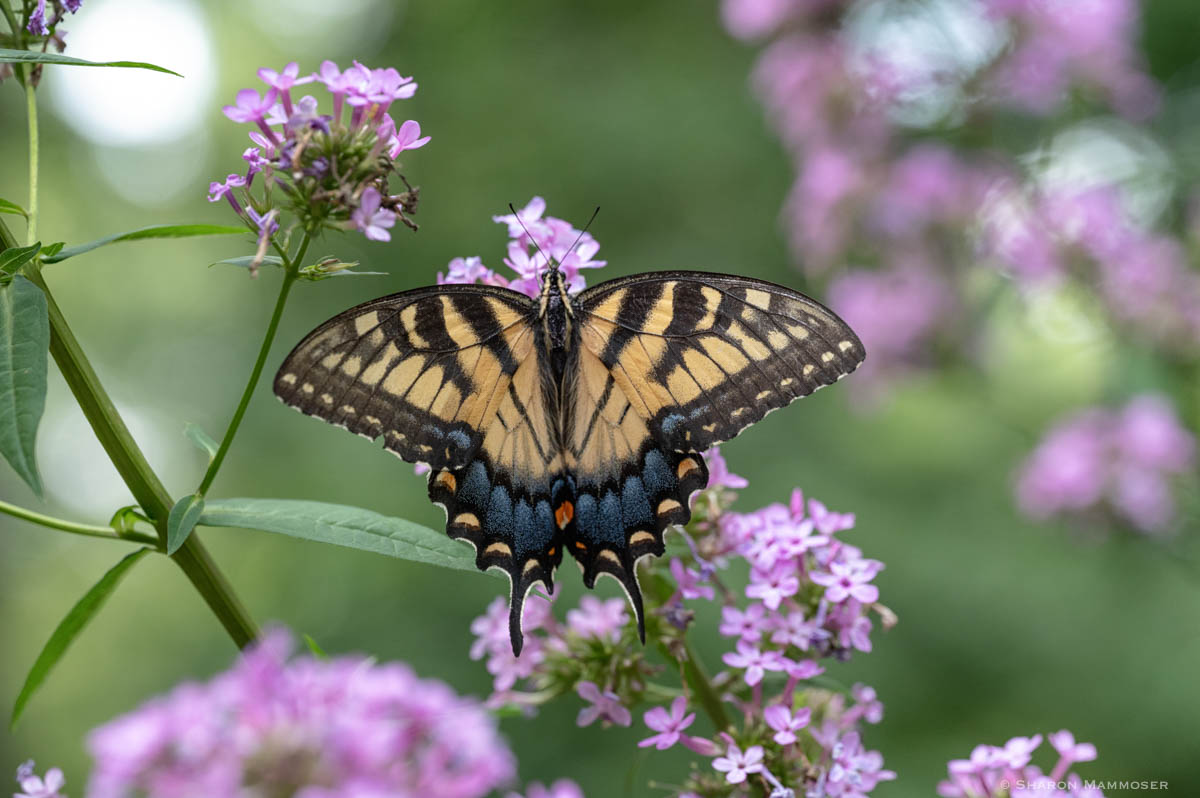
2. Eastern Tiger Swallowtail
Host plants: black cherry, tulip, and magnolia trees
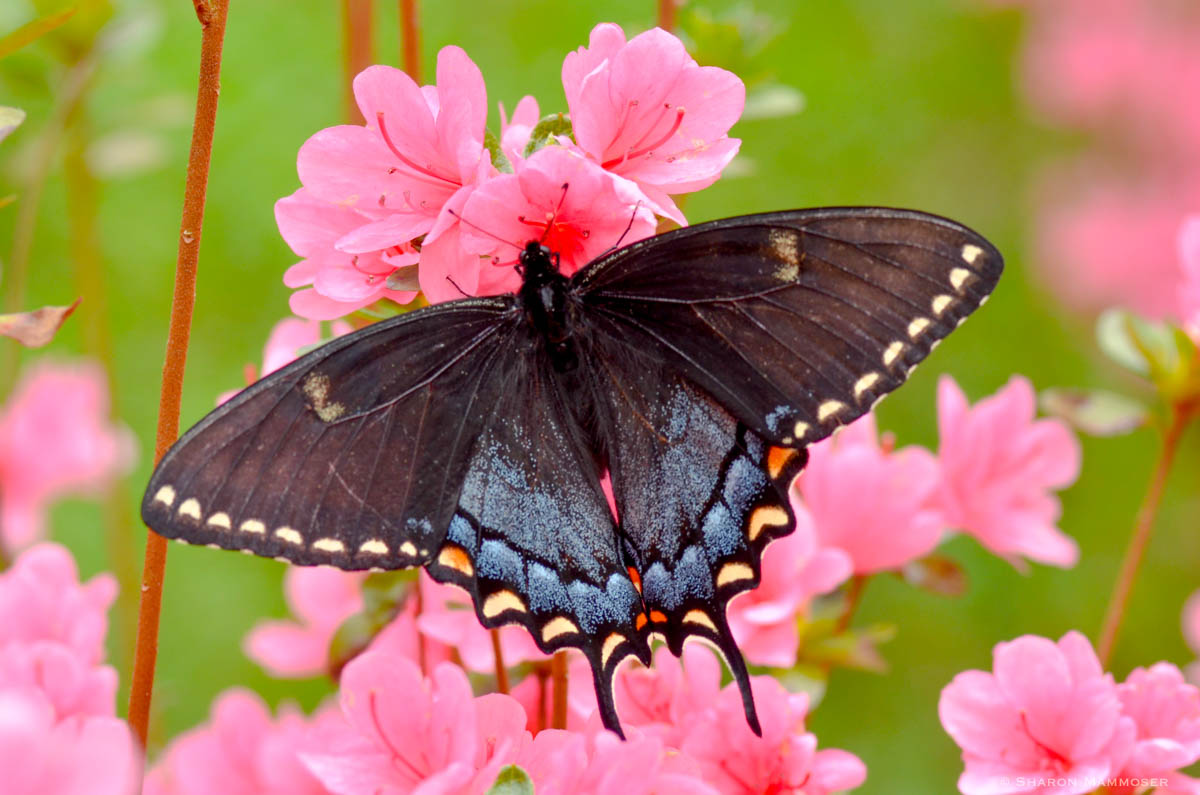
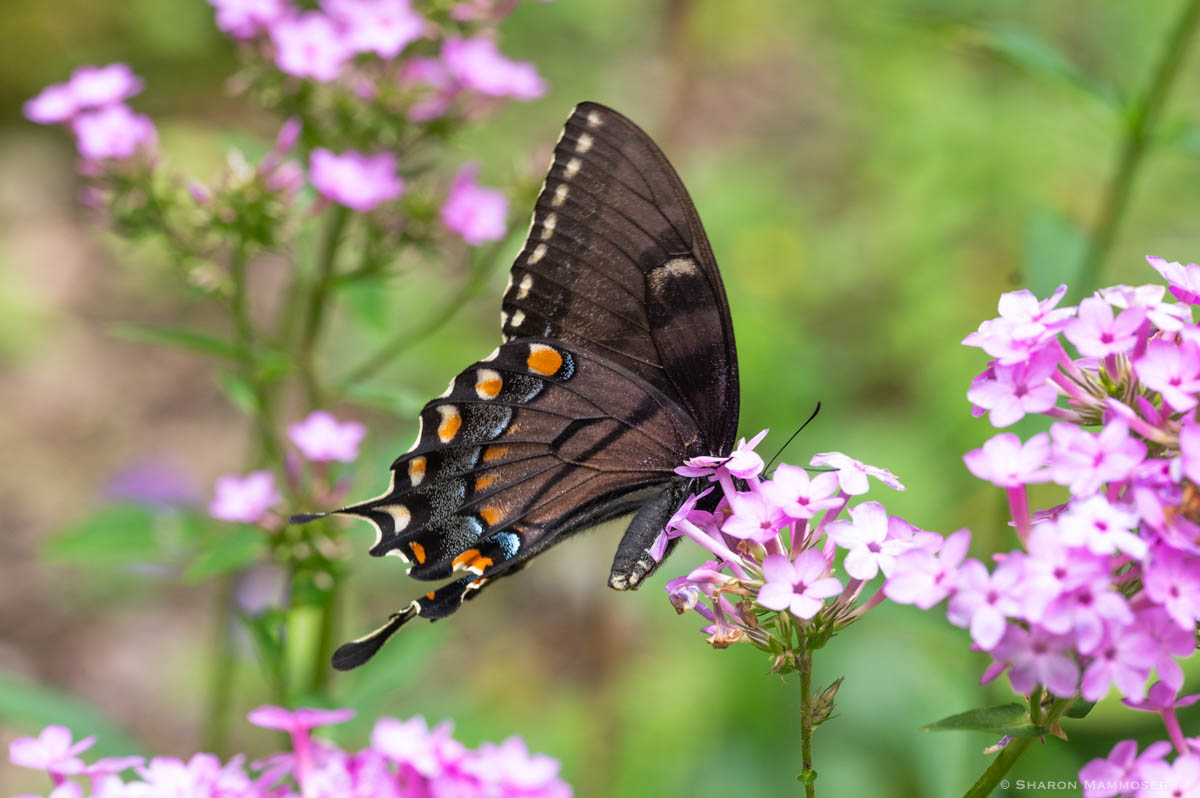
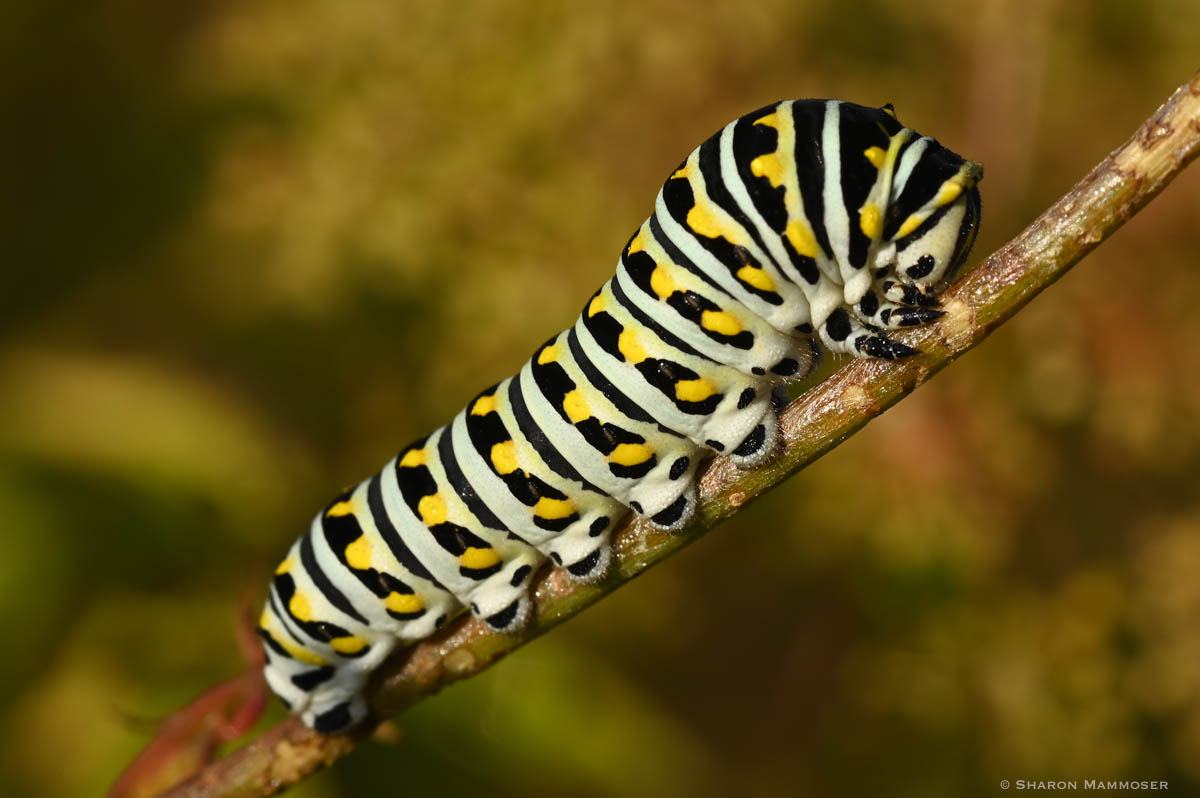
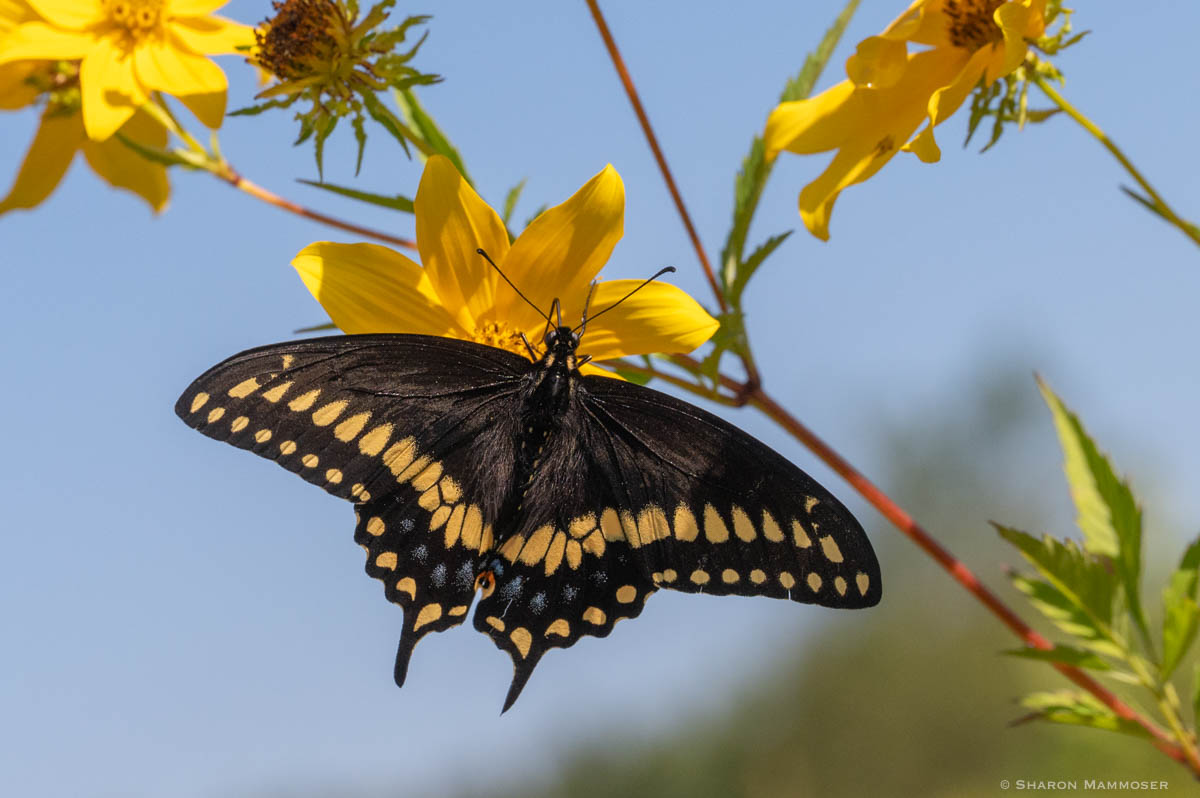
3. Black Swallowtail
Host plants: carrot, common rue, golden alexanders, celery, dill, fennel, parsley, Queen Anne’s lace and other members of the carrot family.
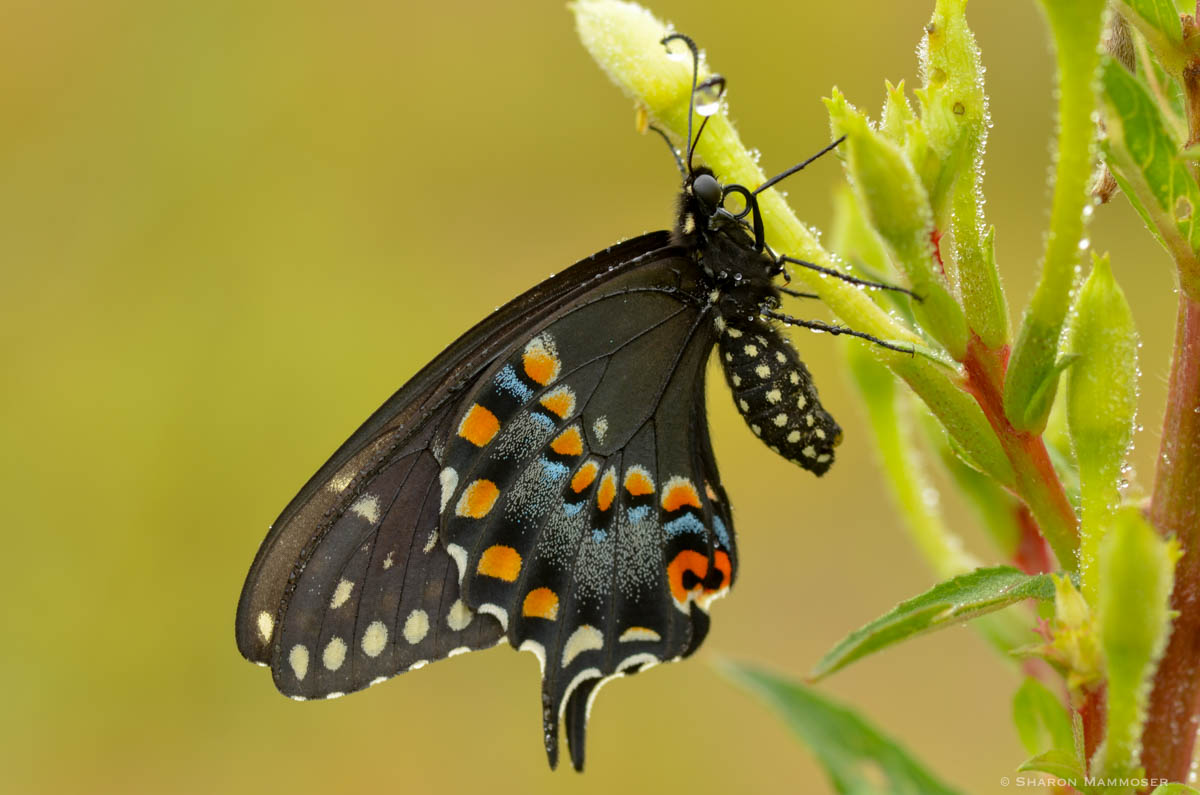
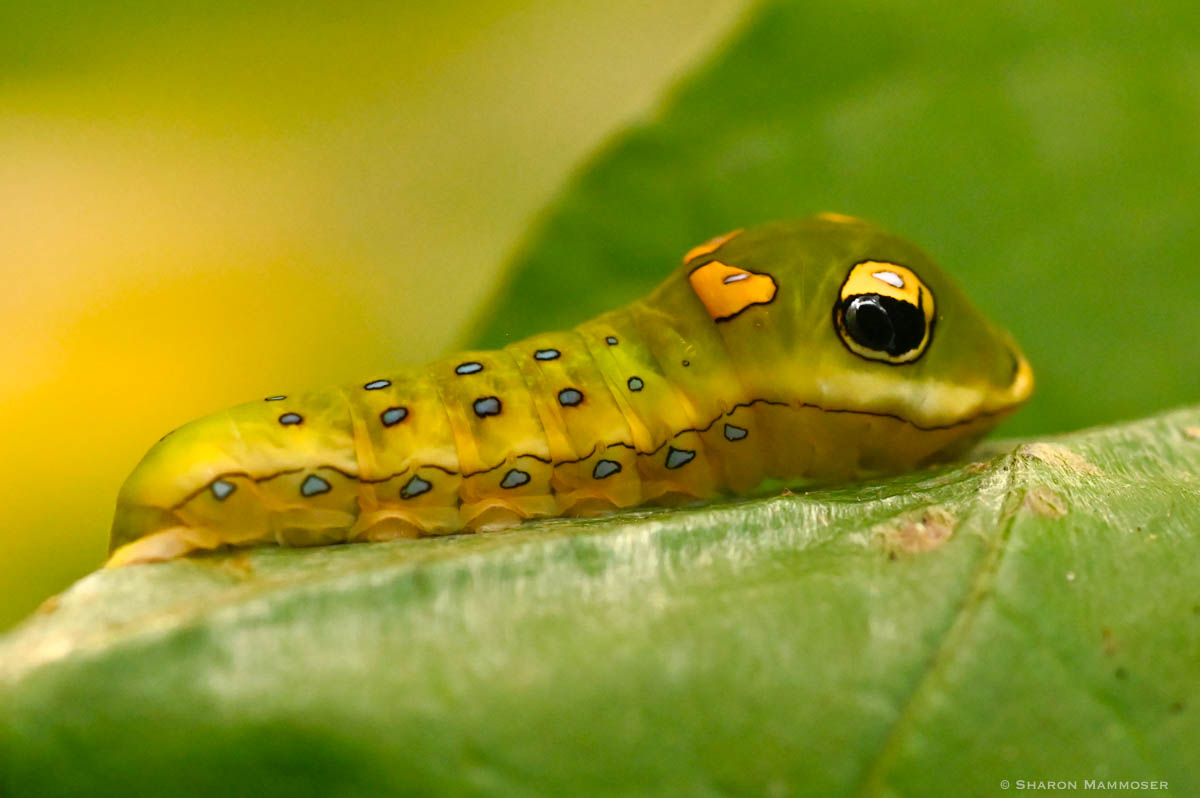
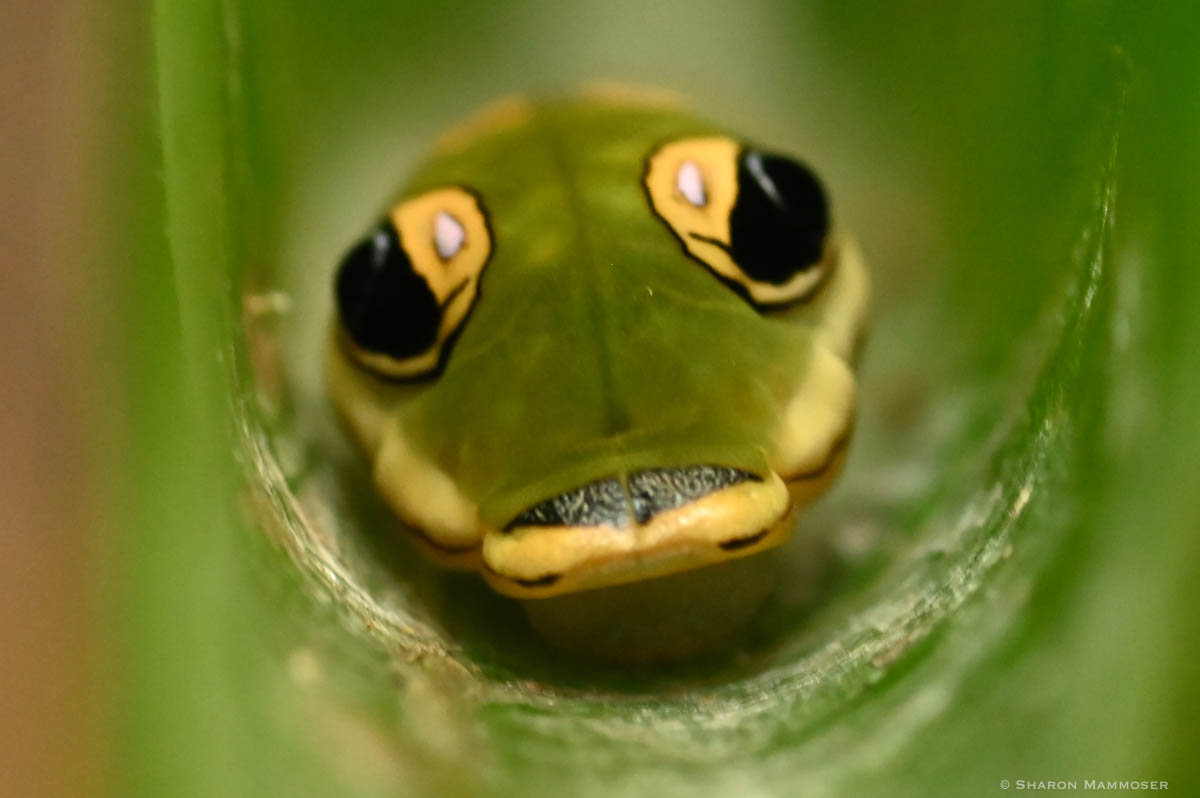
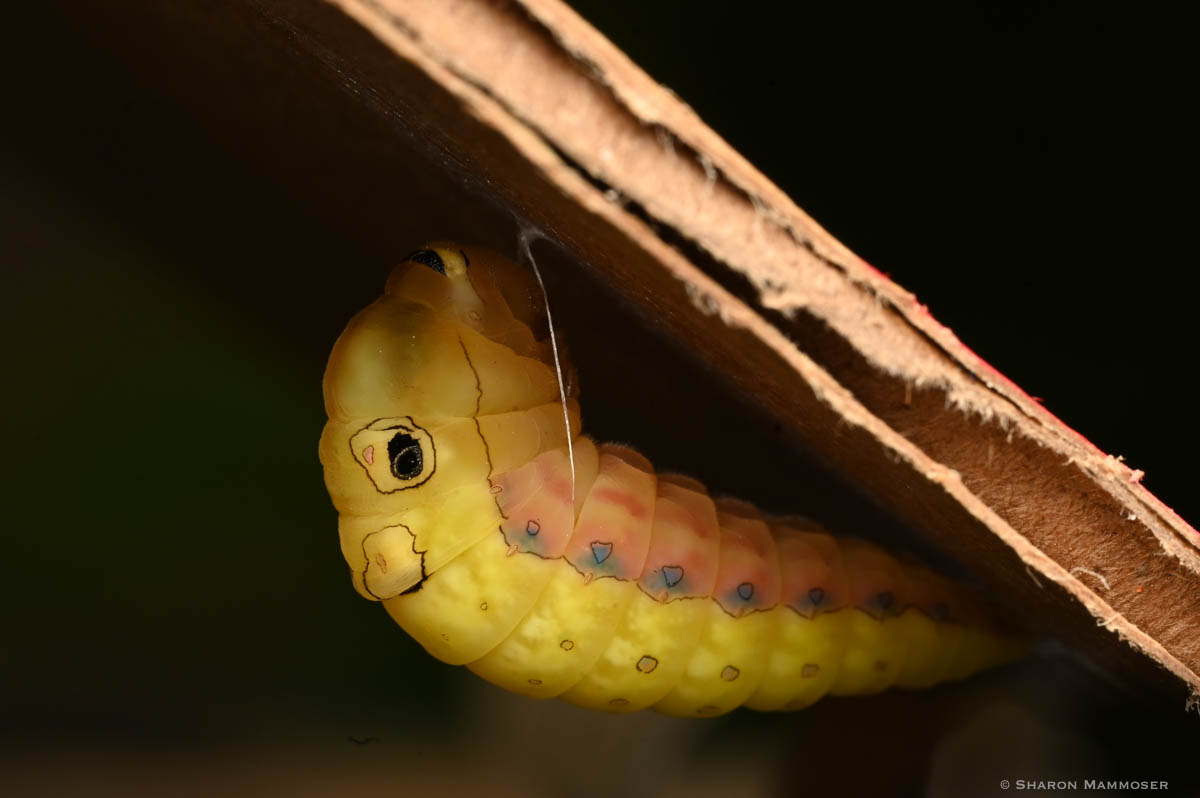
4. Spicebush Swallowtail
Host plants: spicebush and sassafras
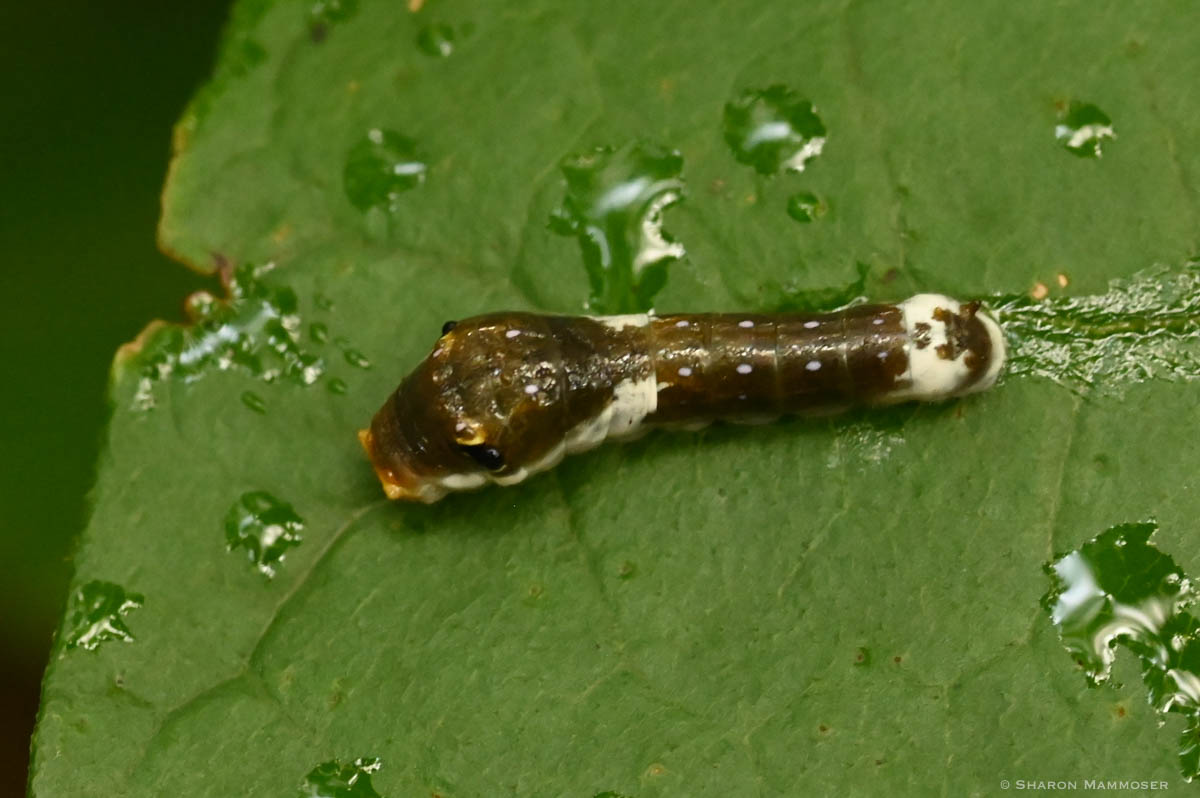
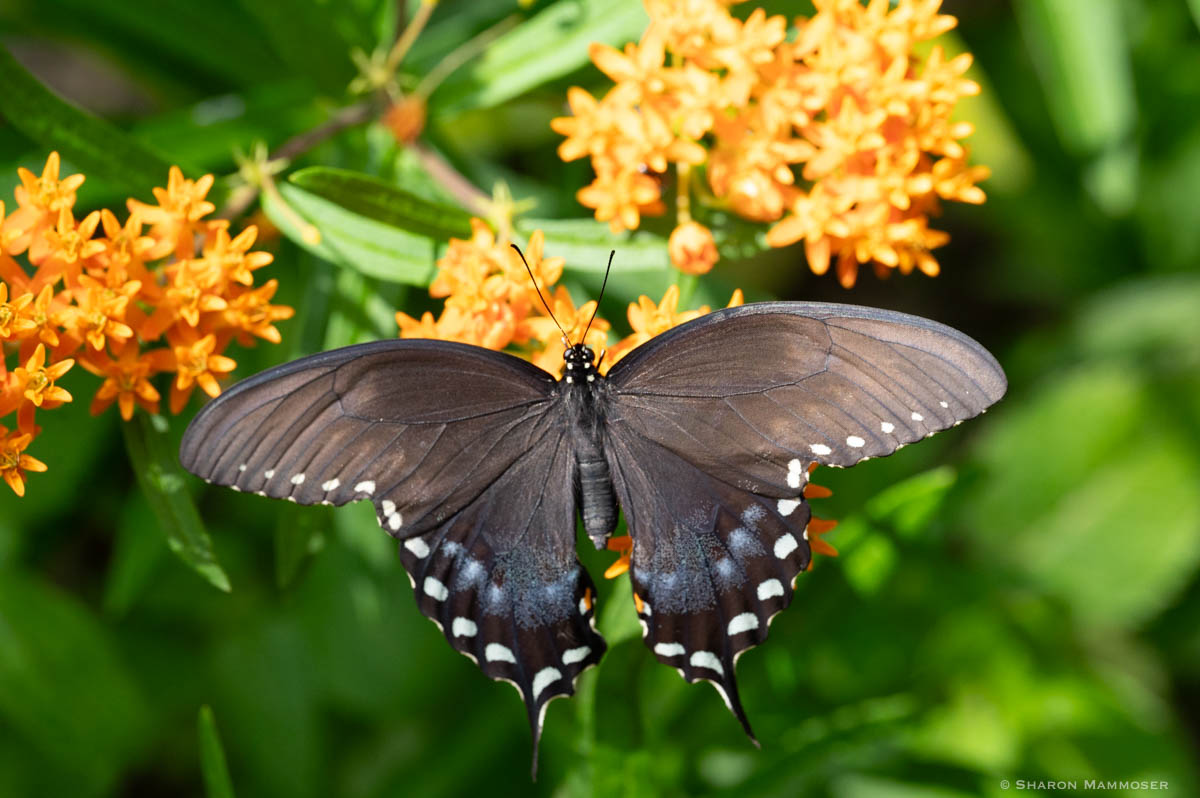
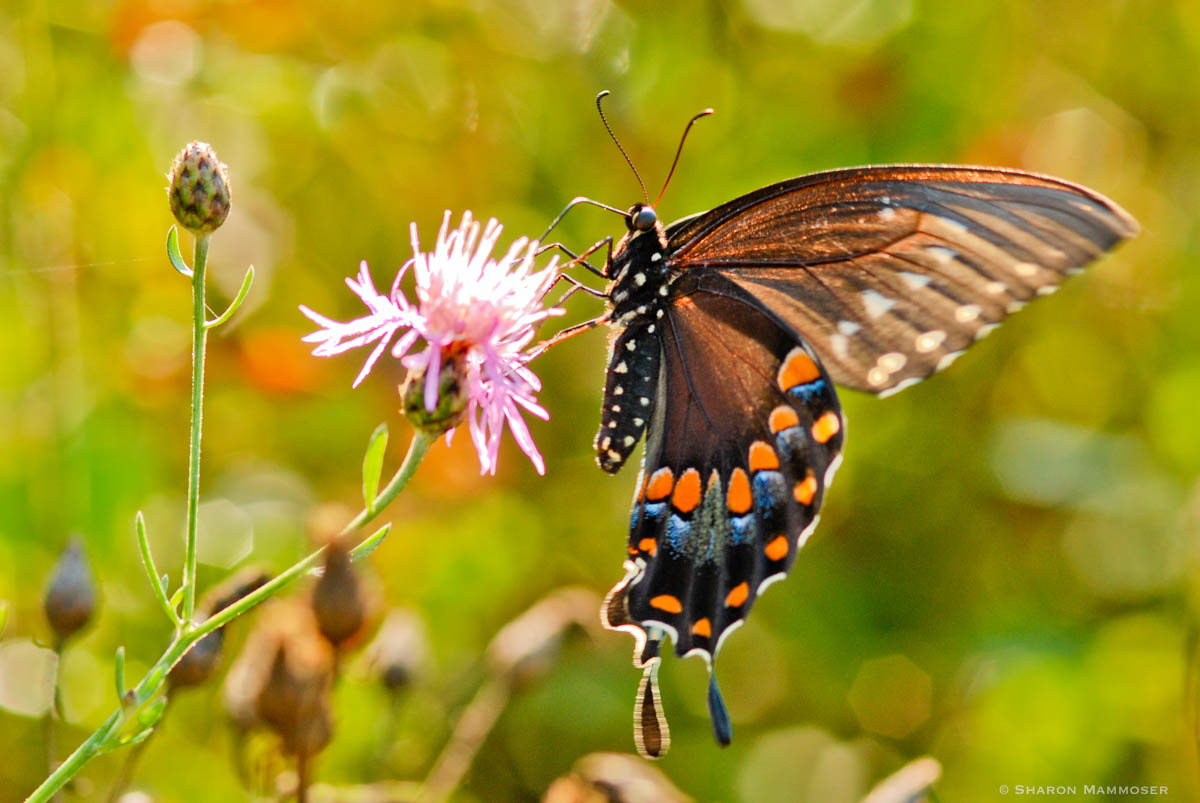
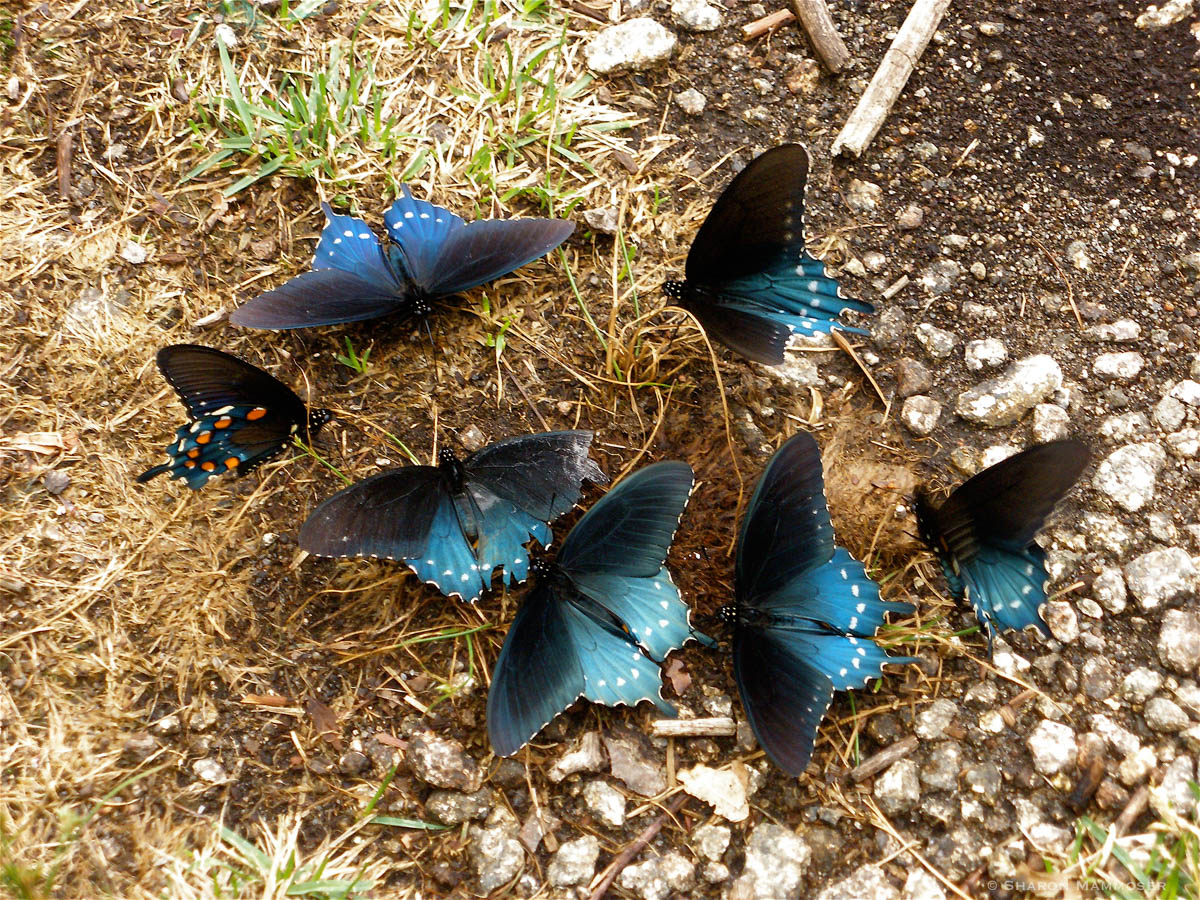
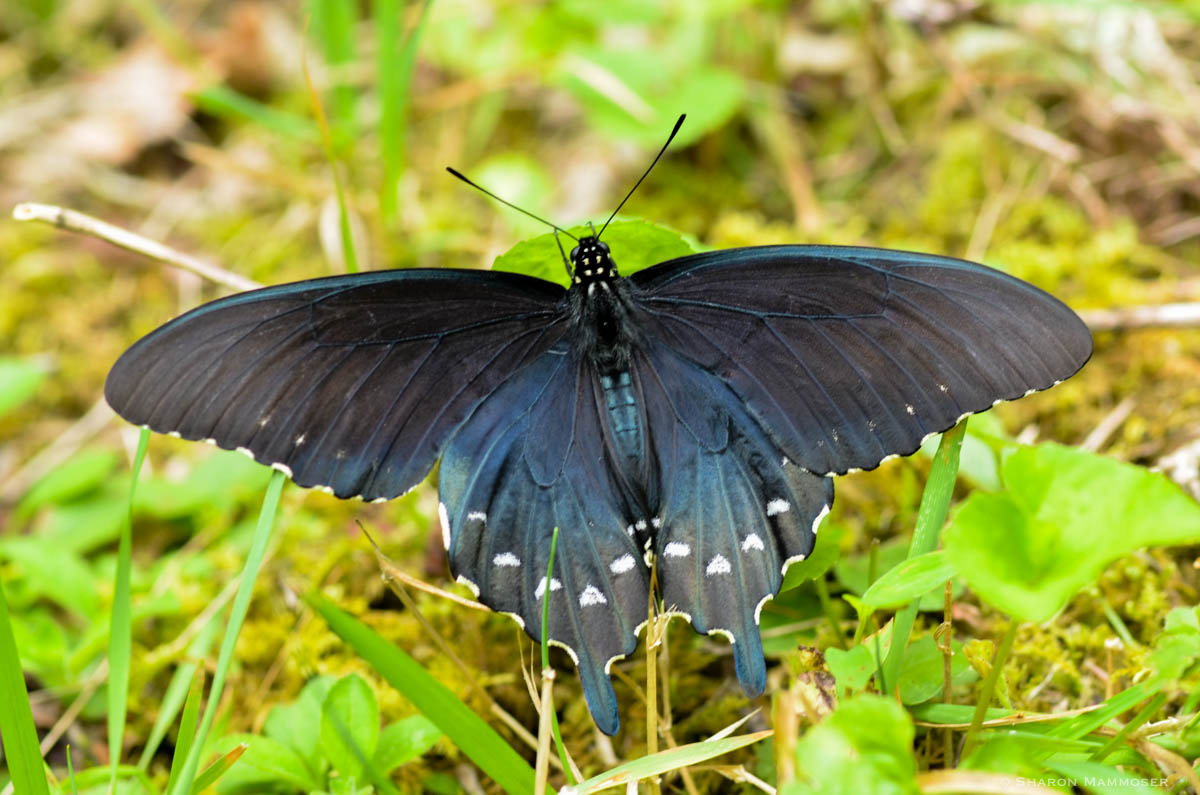
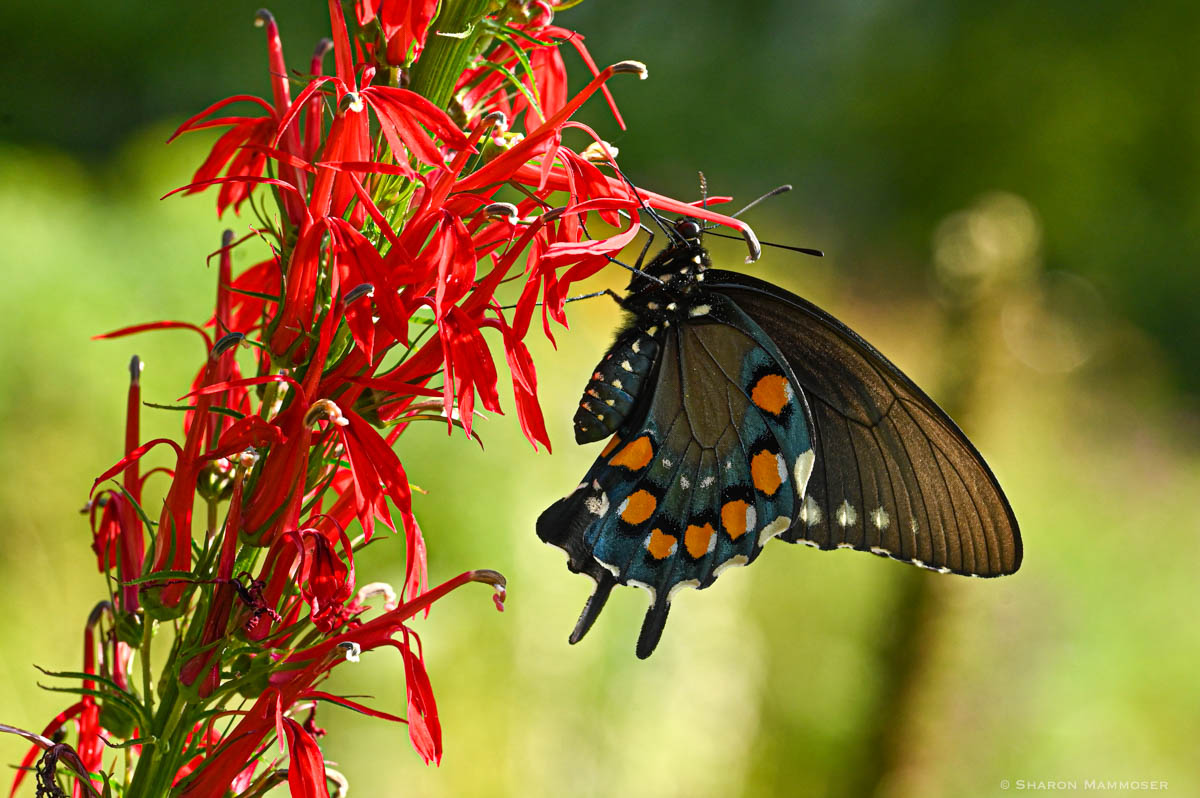
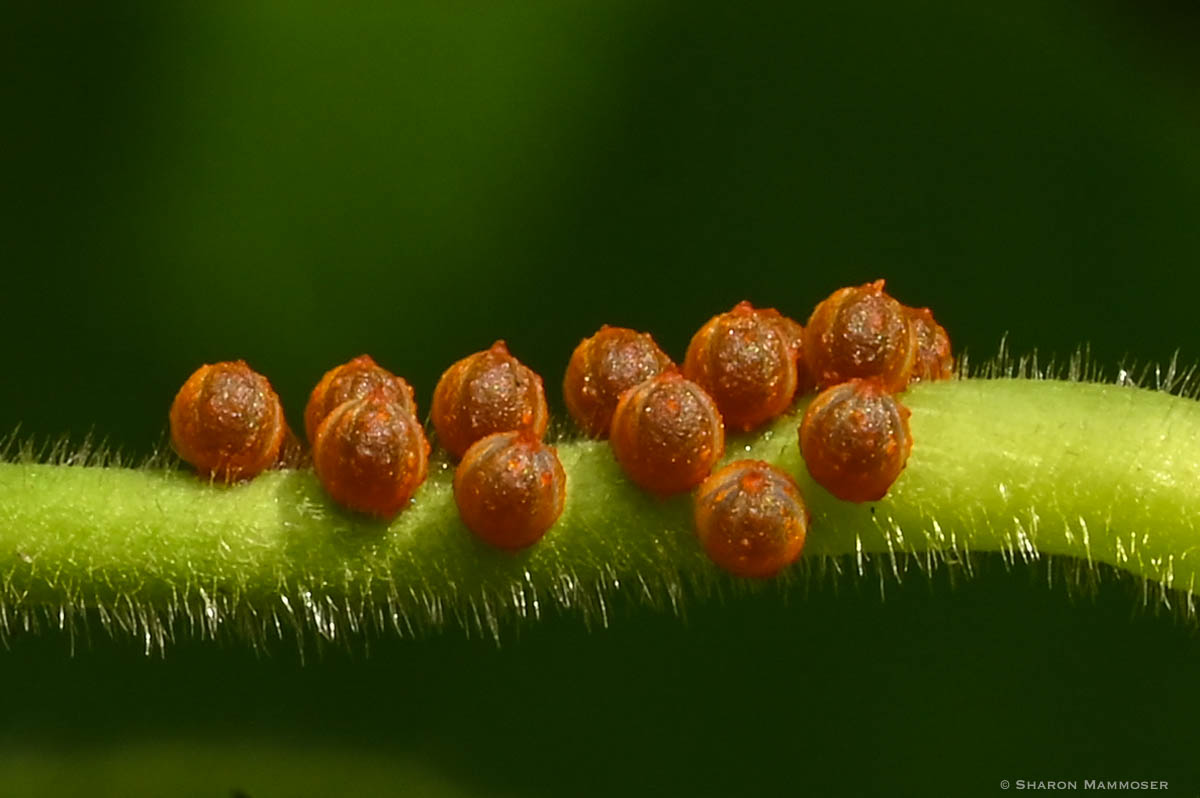
5. Pipevine Swallowtail
Host plants: pipevine and Virginia snakeroot
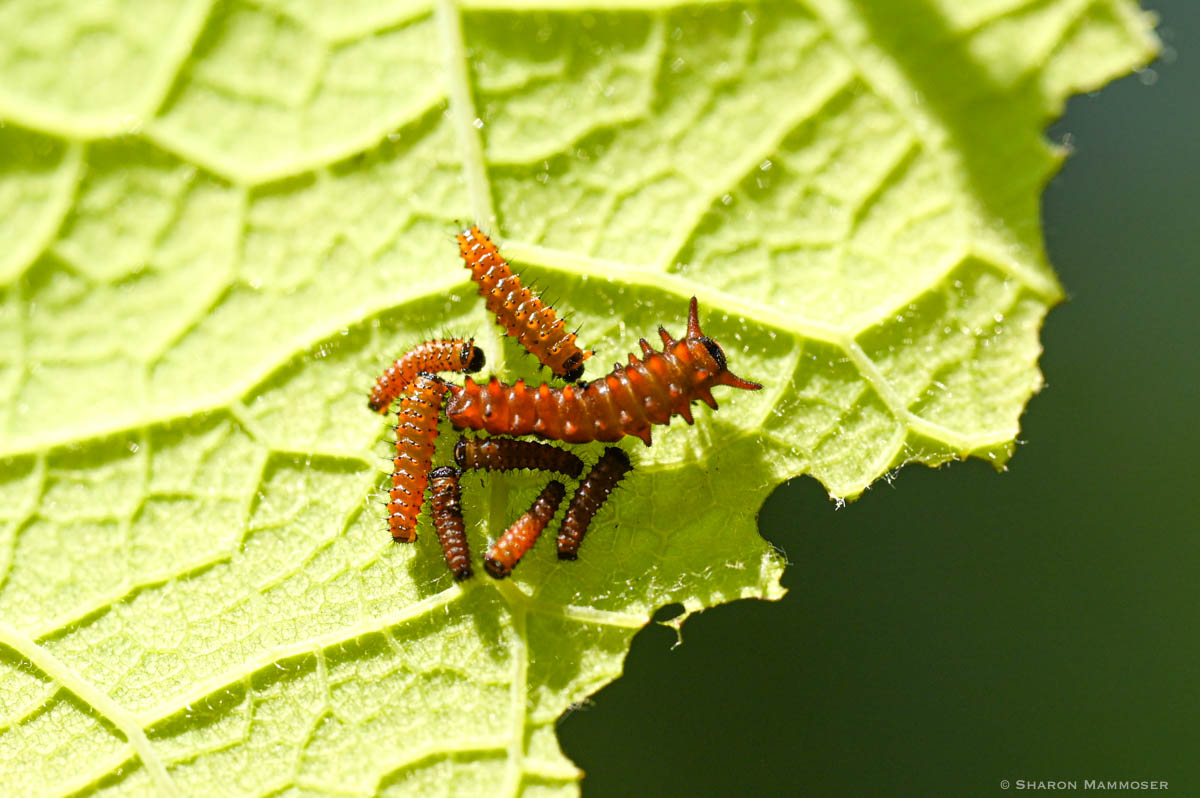
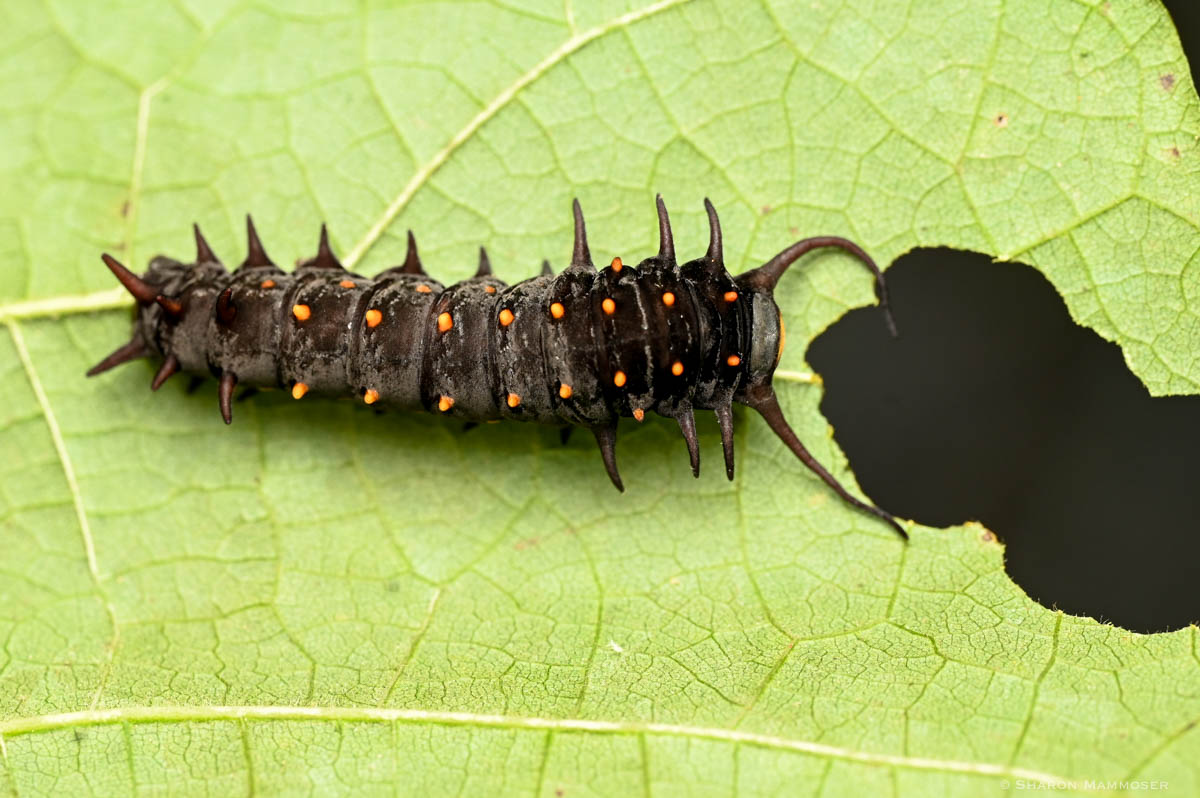
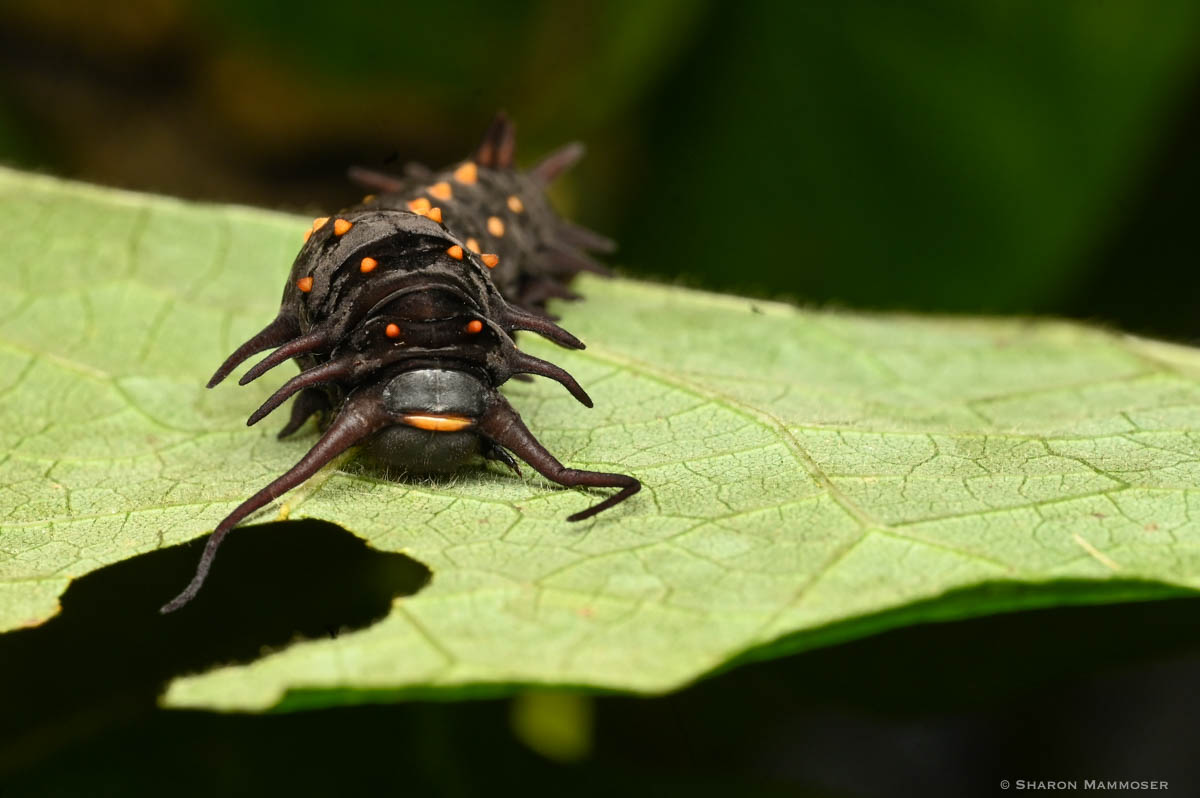
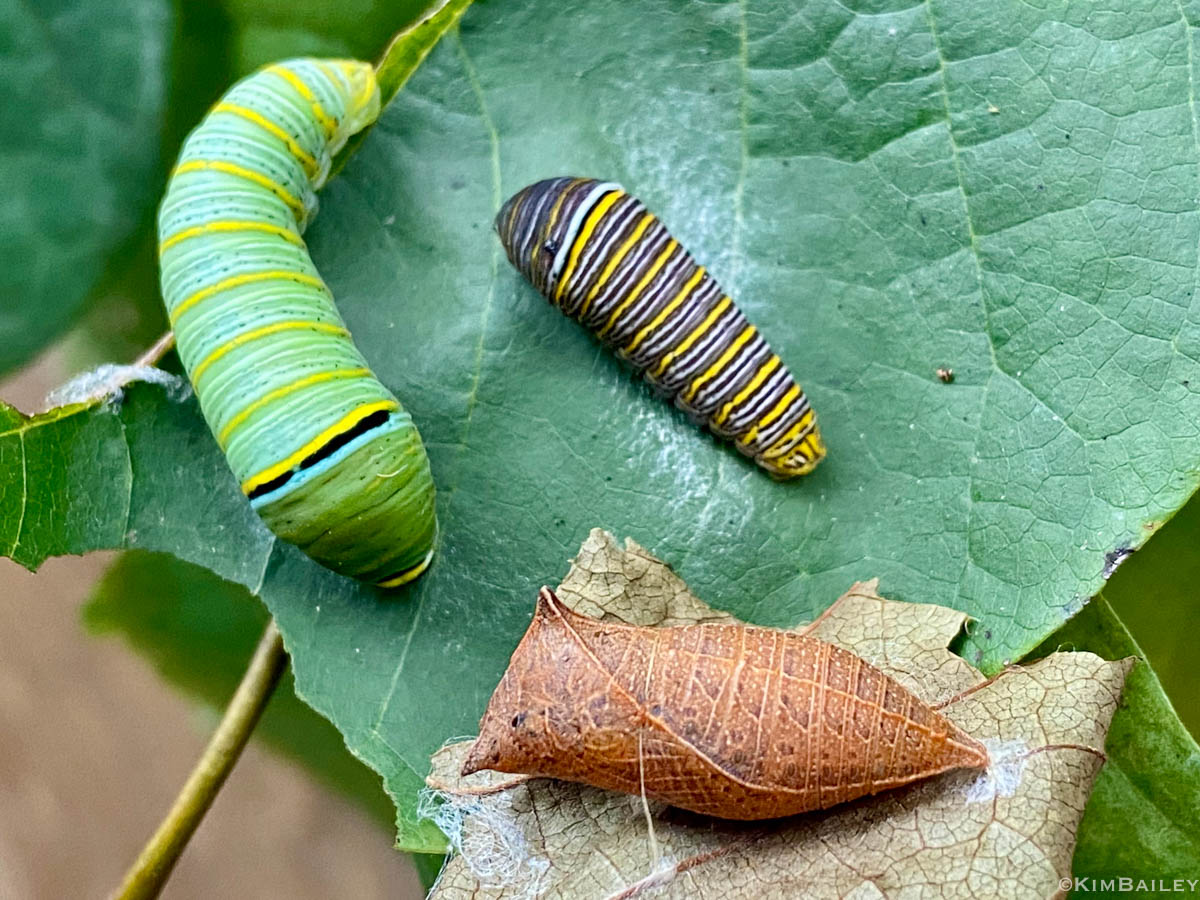
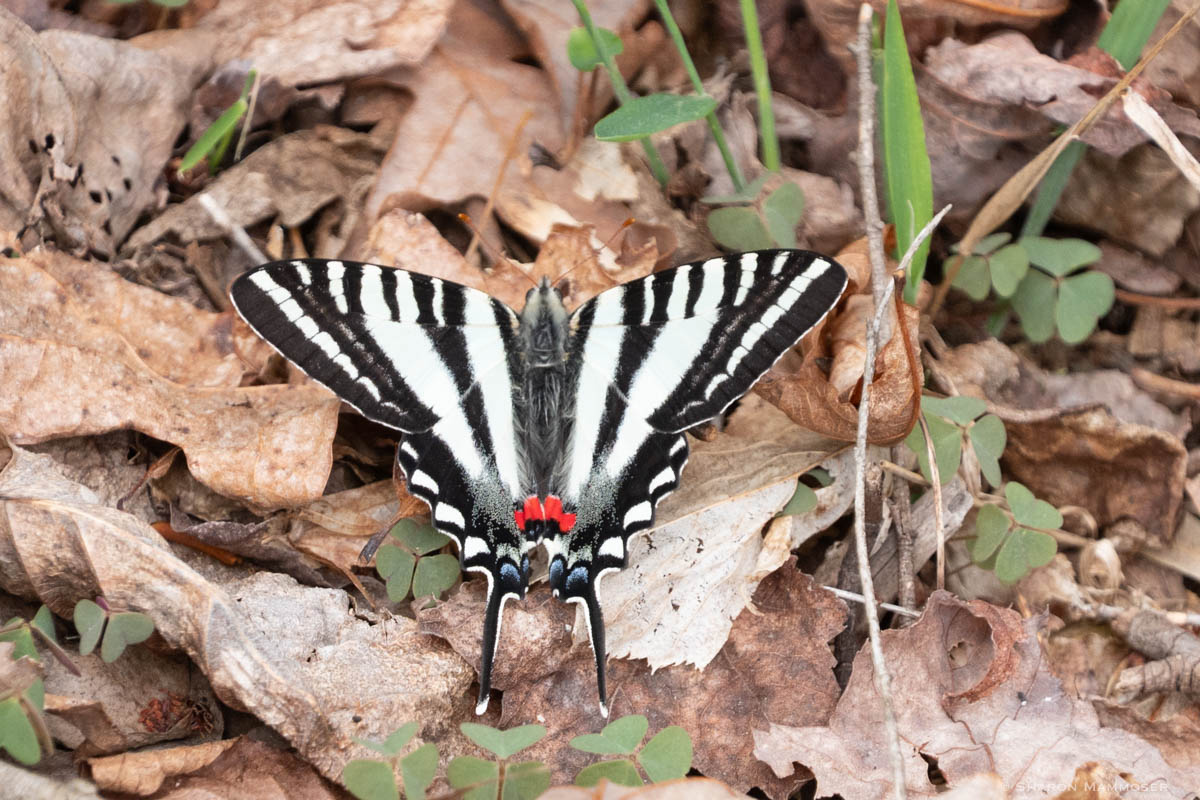
6. Zebra Swallowtail
Host plants: pawpaw
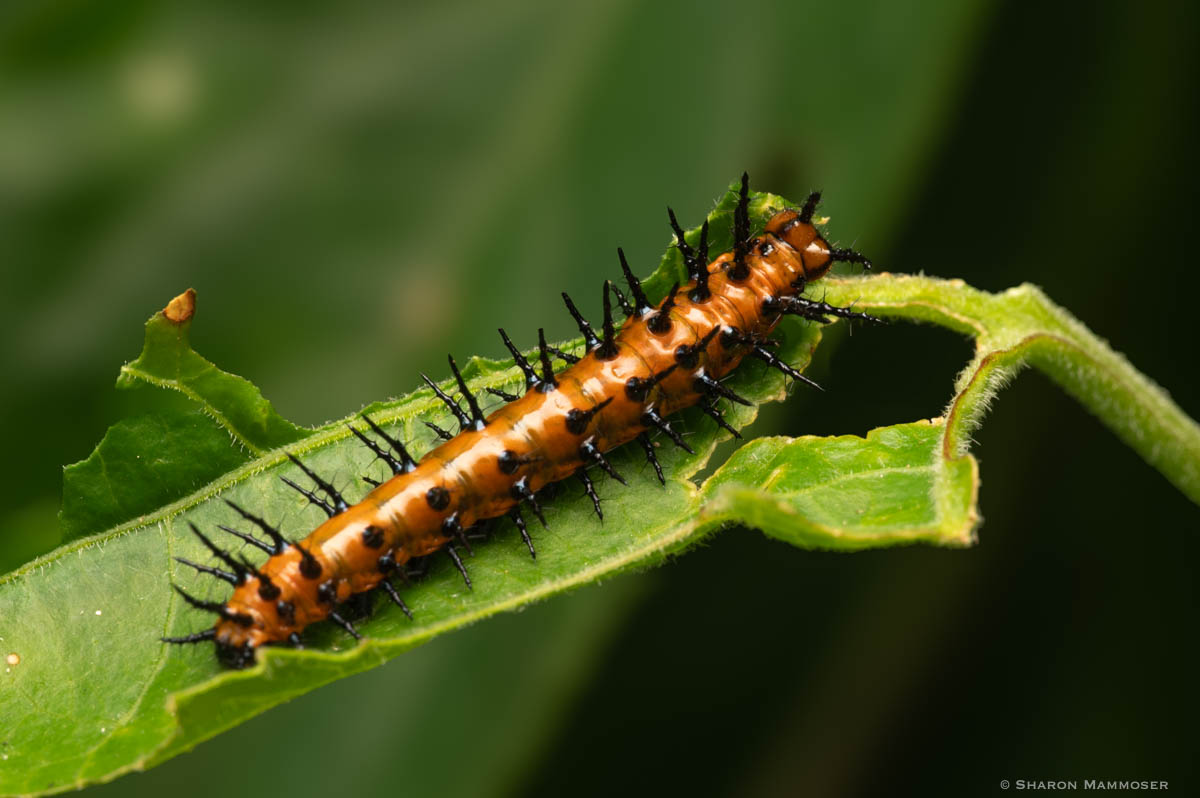
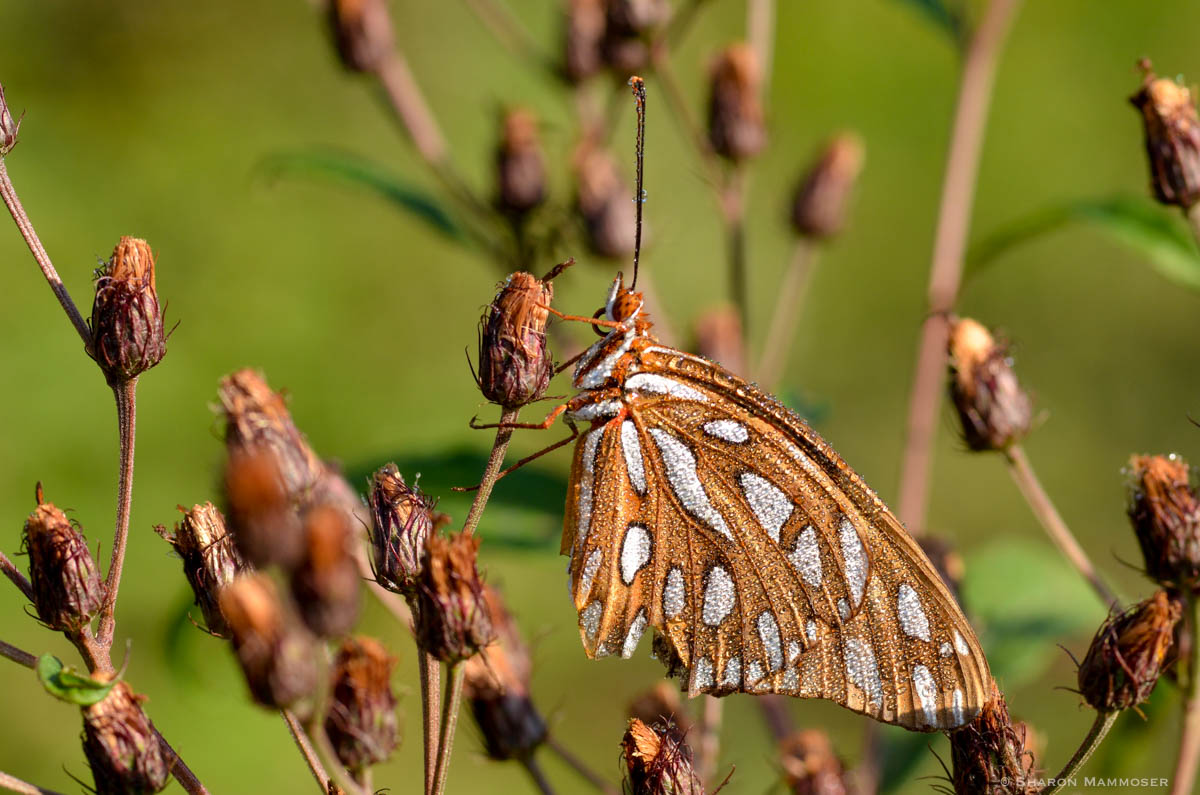
7. Gulf Fritillary
Host plants: passion-vine
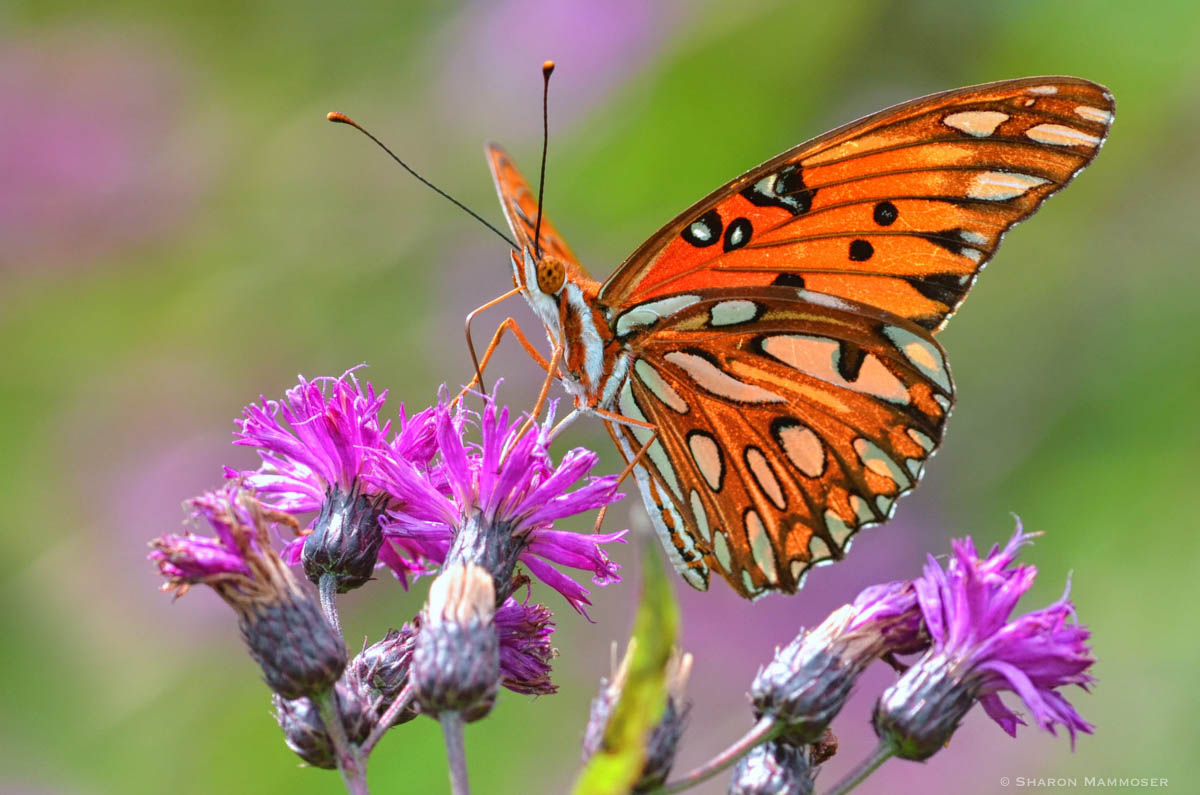
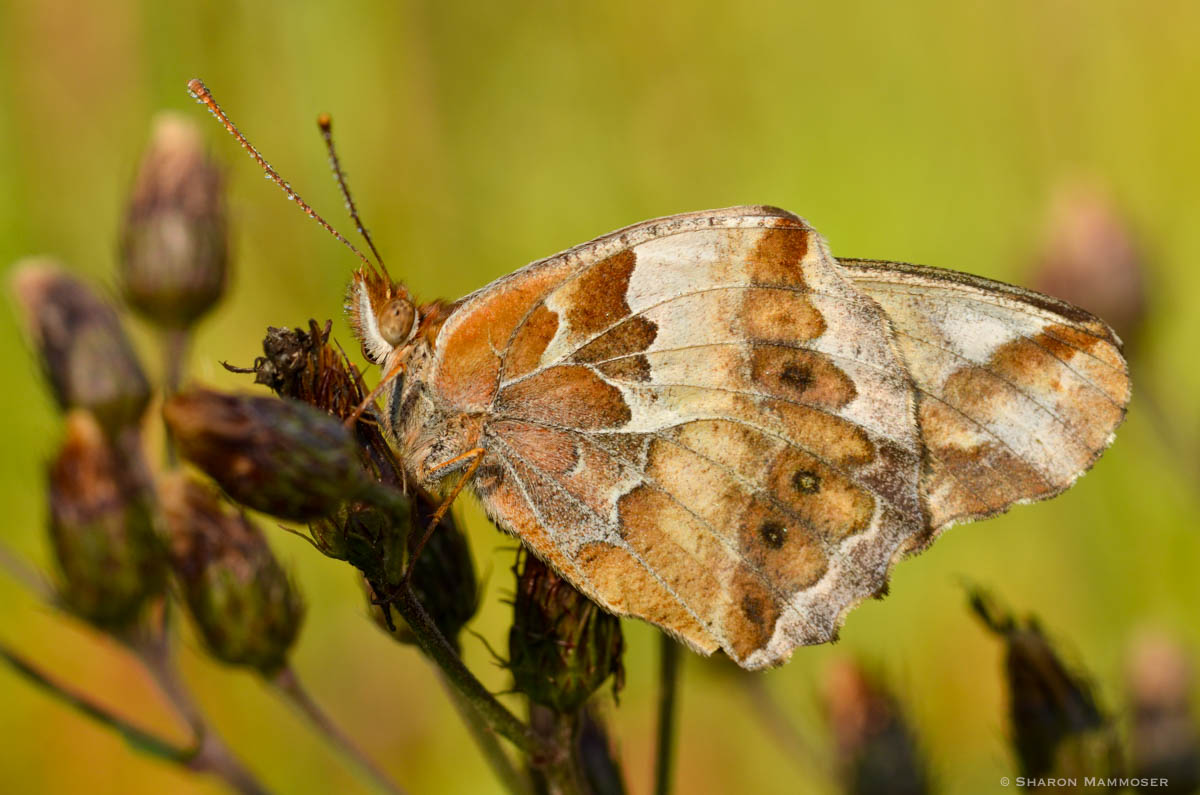
8. Variegated fritillary
Host plants: passion-vine, violet, also flax, lamb’s ears, mayapple, and purslane
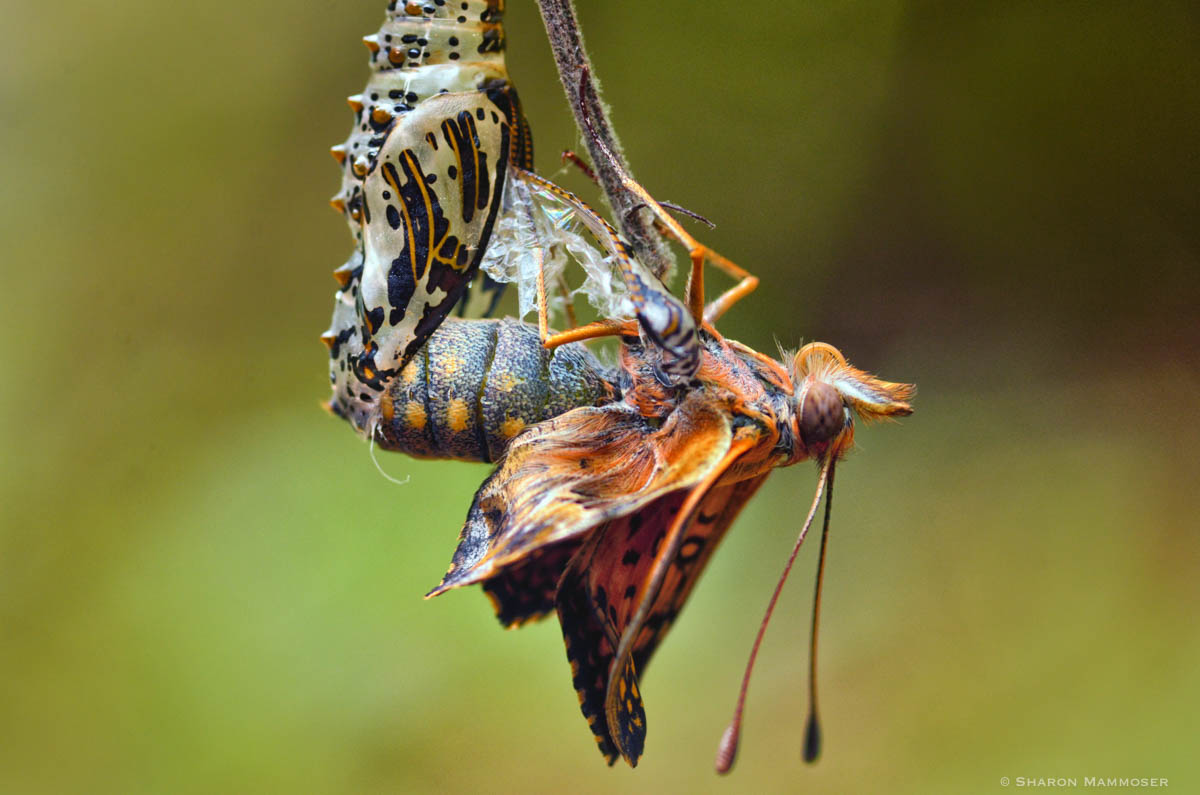
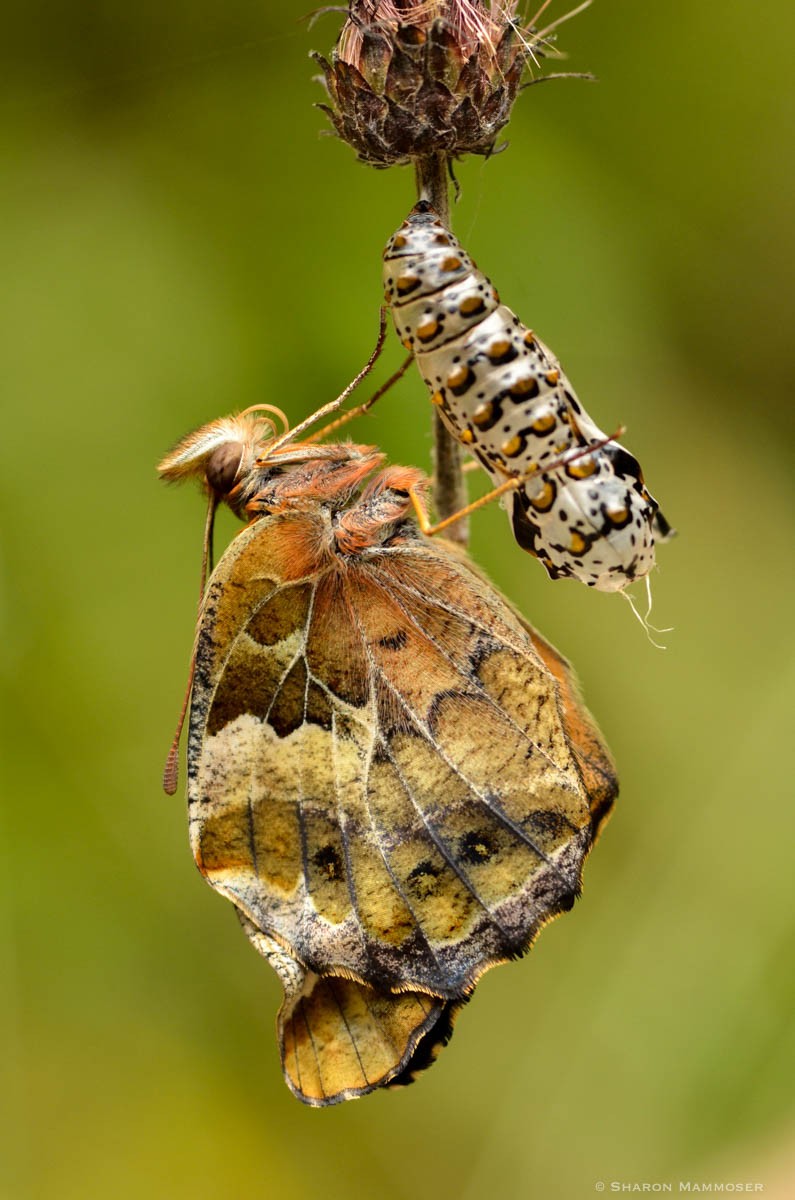
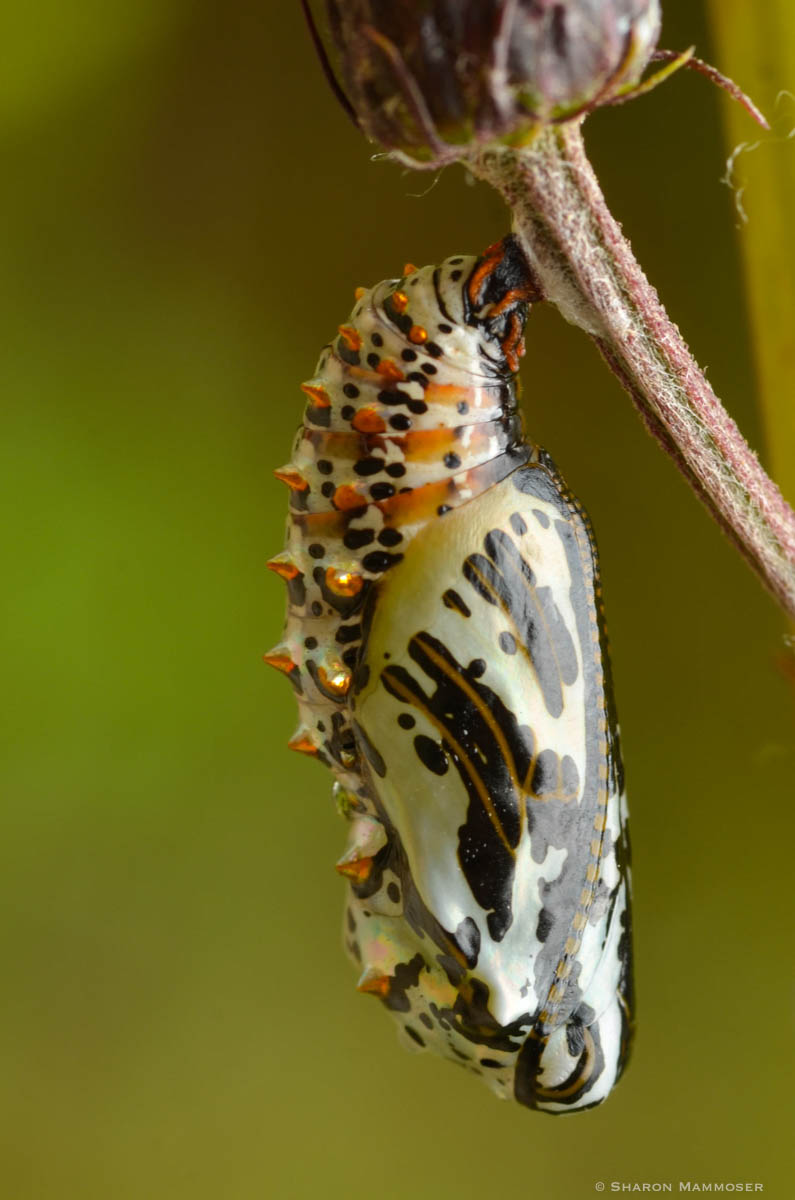
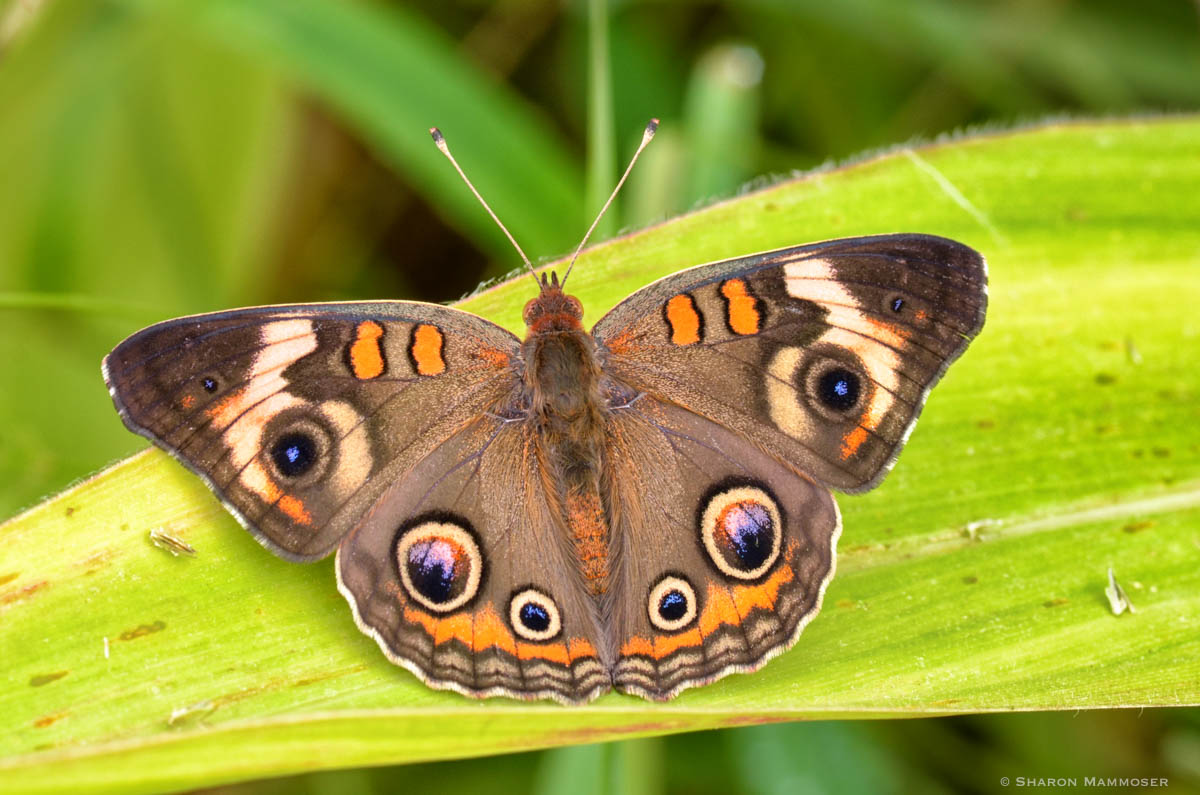
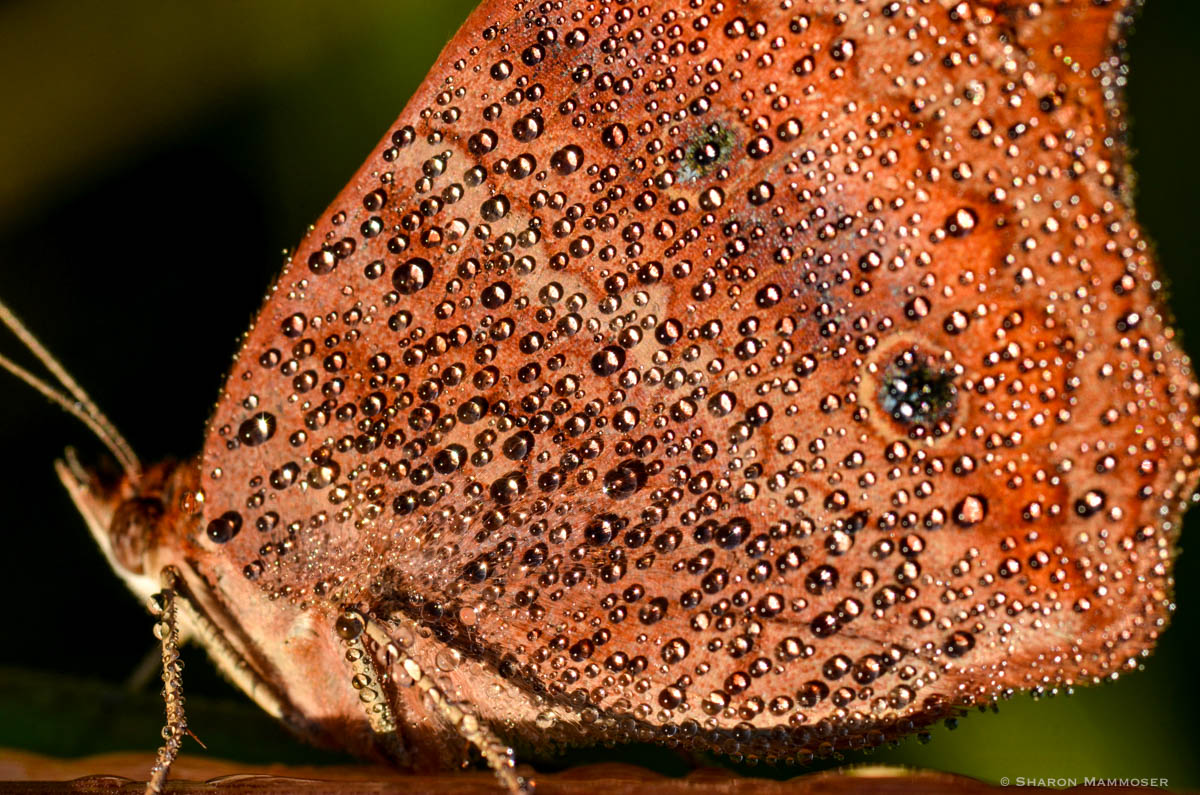
9. Buckeye
Host plants: plants in the snapdragon family and acanthus family including plantain, gerardia, and toadflax
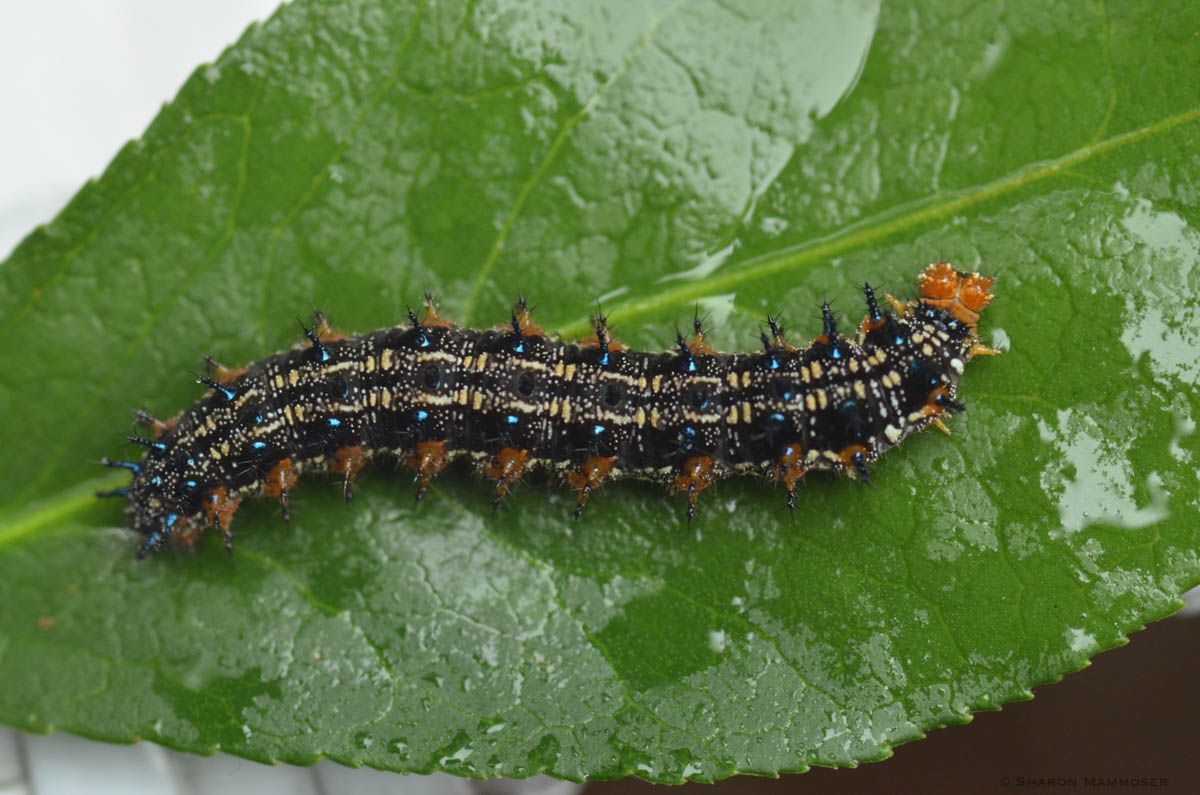
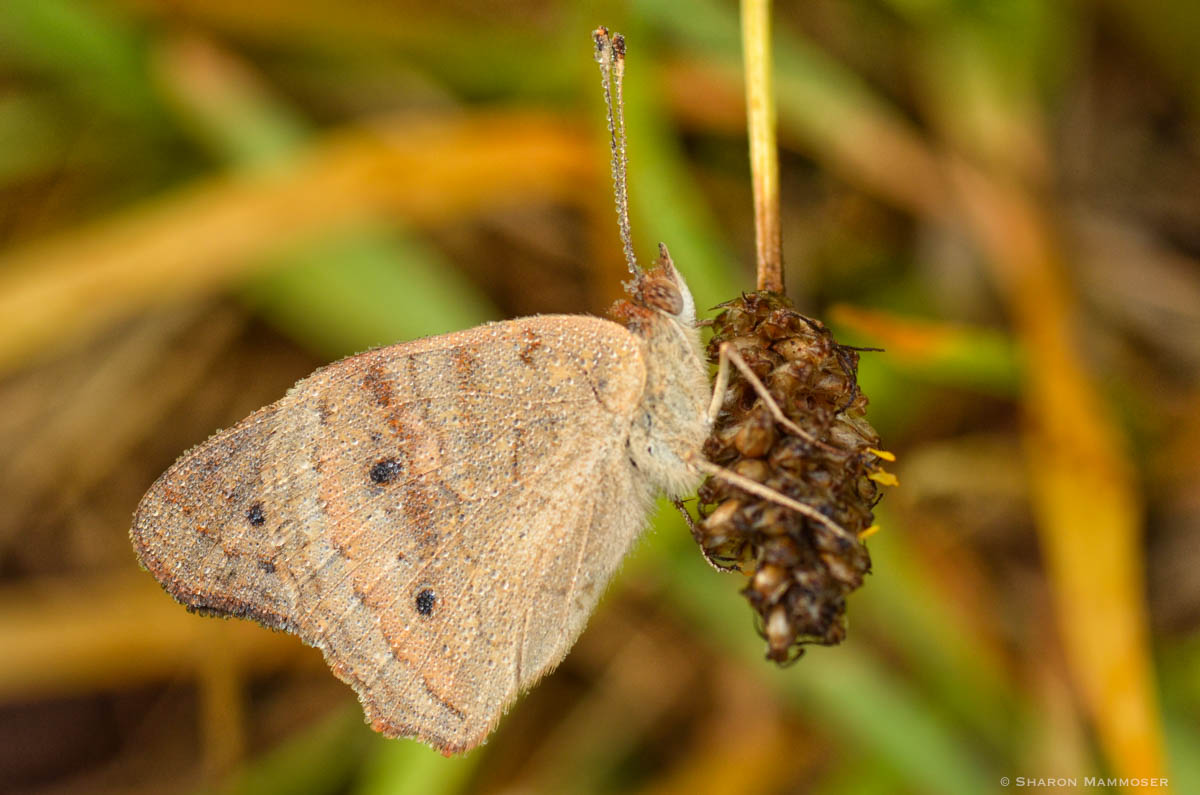
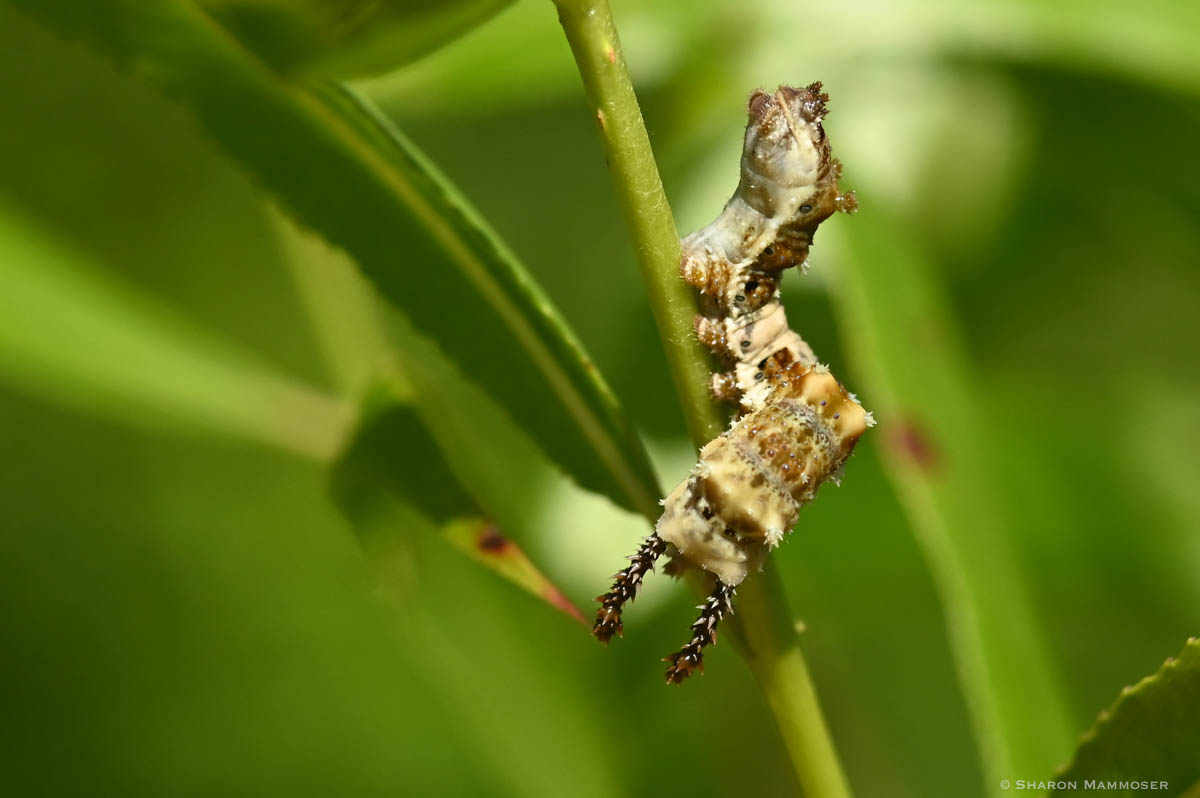
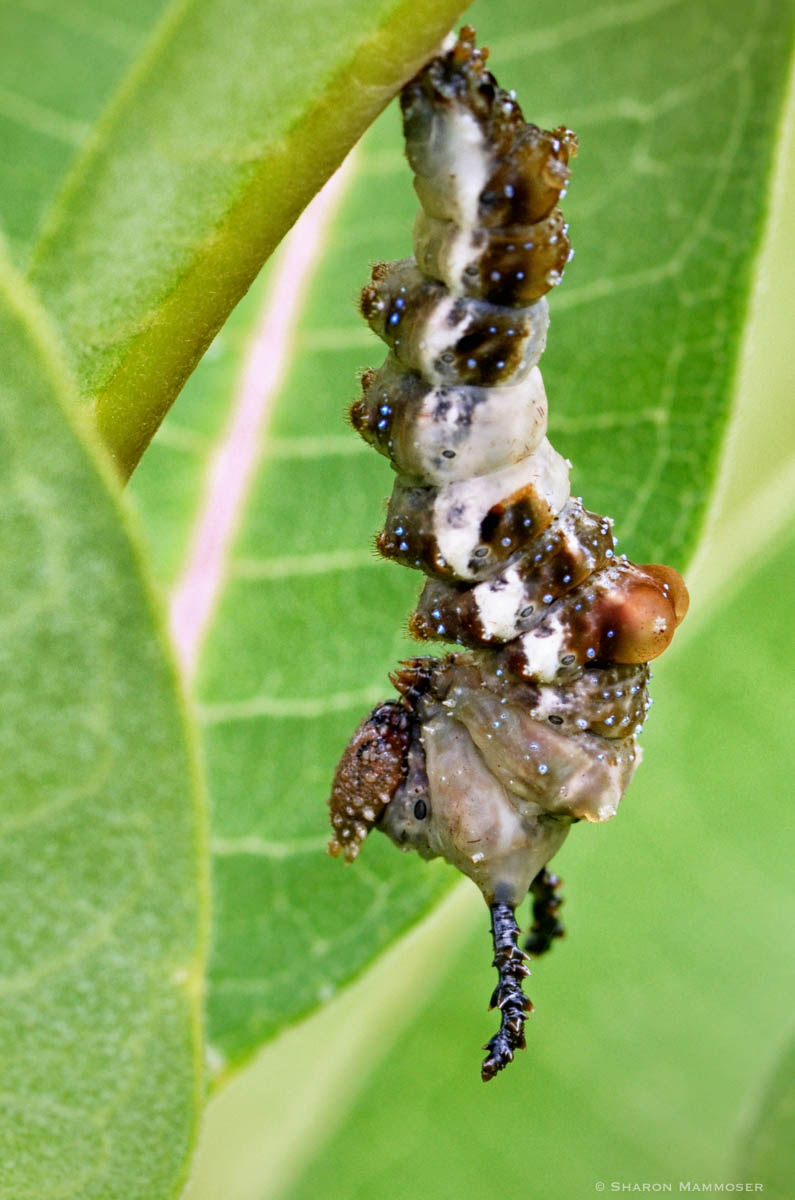
10. Red-spotted Purple
Host plants: cherry, oak, poplar, willow
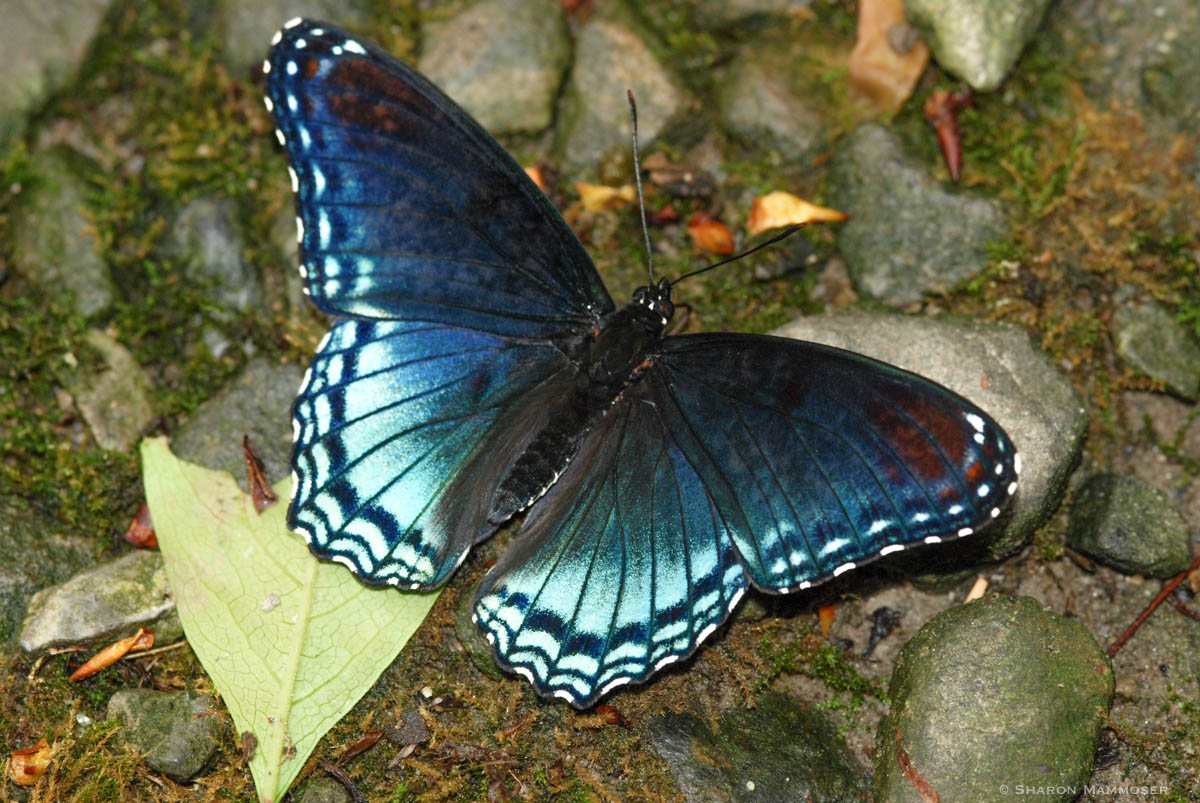
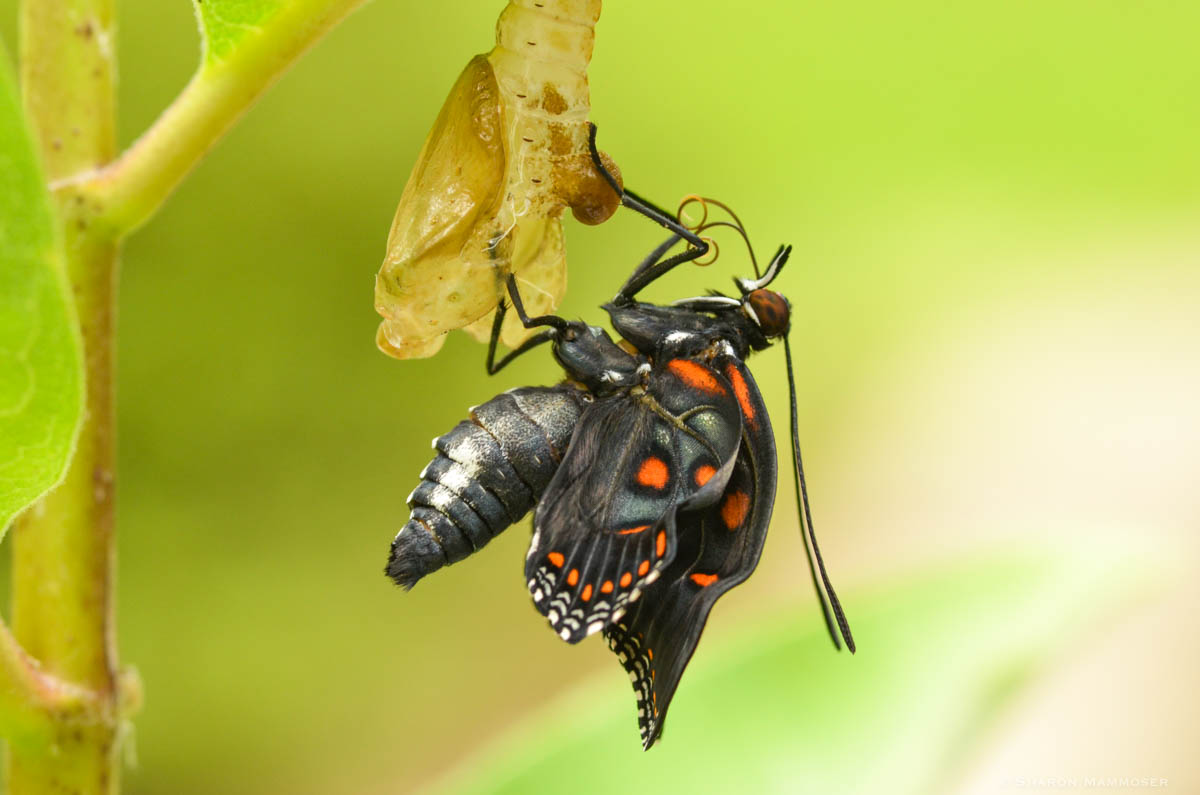
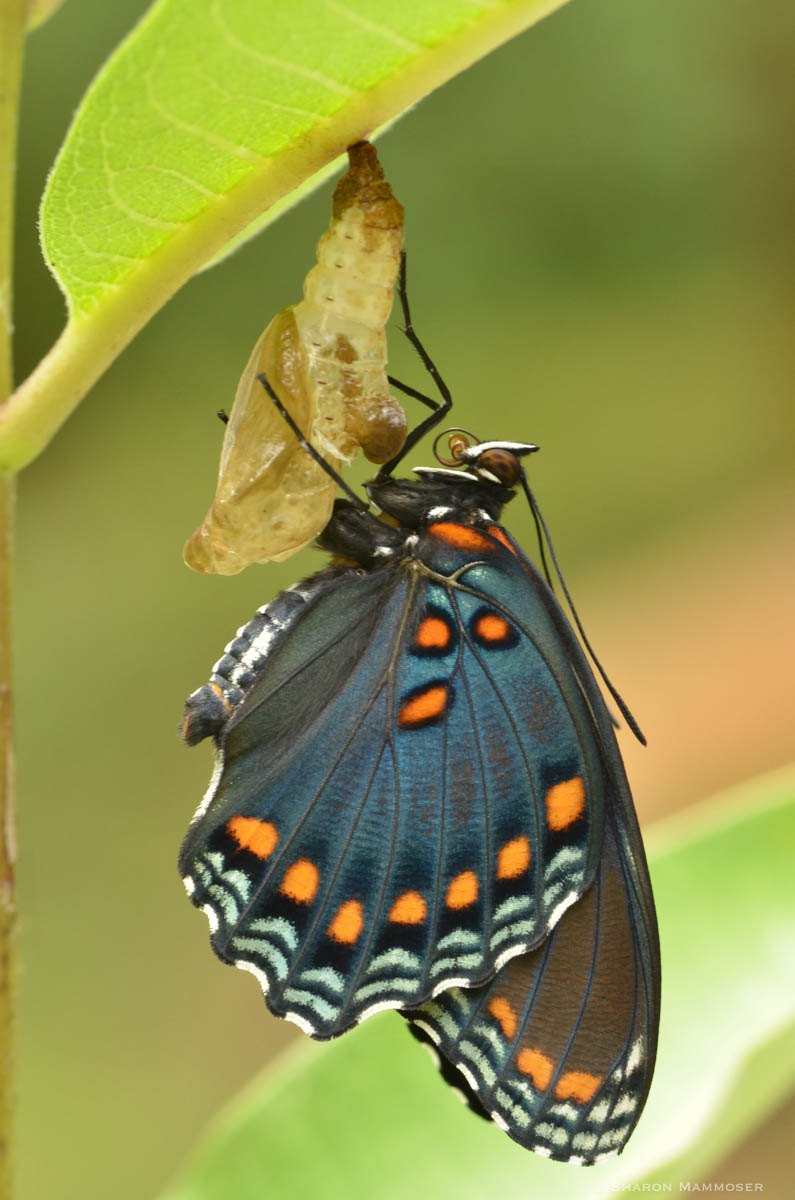
Which one is your favorite? Have you seen any of these in your yard?
Did you notice how alike all of the swallowtails look? That’s because they mimic the distasteful pipeline swallowtail to avoid predation. Want to learn them apart? Check out this previous post on confusing dark butterflies
amazing sending to my girls and grands. thank you so very much
Thanks Jane! It’s so great to see you here. Hope you all are having a great summer! xx
Thanks for posting. I’ll look more carefully for caterpillars.
Hey Larry! Nice to see you here. Thanks for reading. I hope you find a lot of caterpillars–and moths! Have a great summer.