
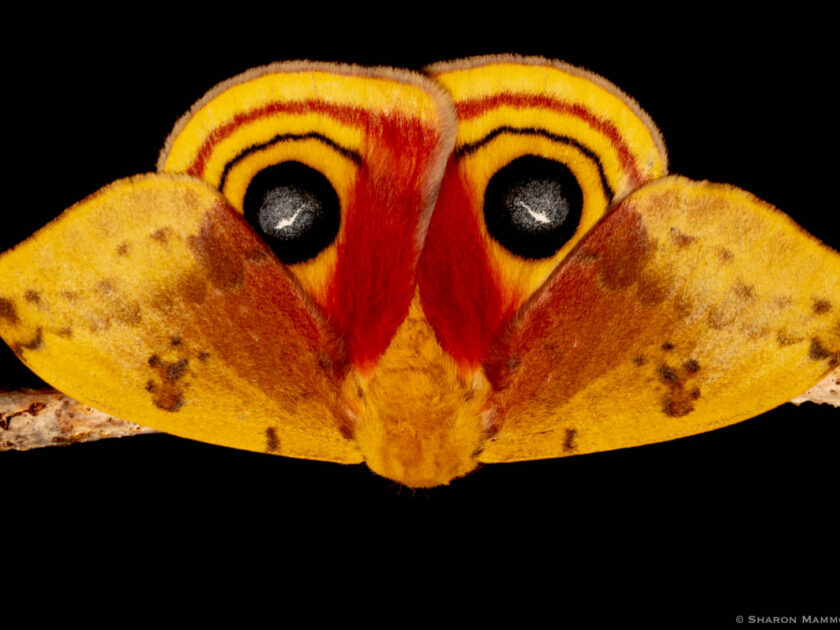
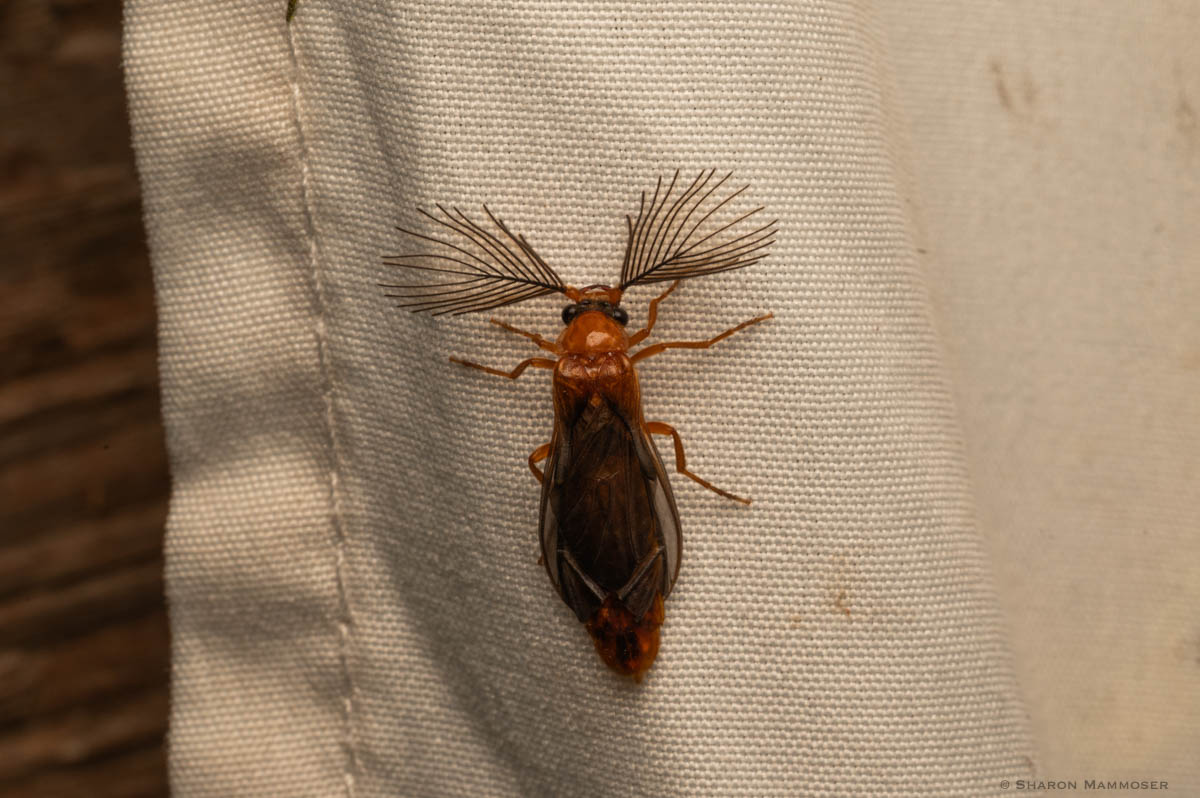
So for anyone who has been following along with me for a while now, you know that every summer I spend time doing an activity called “Mothing.” This means I actively attract moths–and other insects and invertebrates– to my yard where I can then observe and photograph them. Mothing stations consist of a light and a white sheet. I use several different kinds of lights including ultra violet and other bright lights. I like to say mothing is like Christmas morning– you never know what you might get but it’s always fun to anticipate. I have been doing this for several years now and never get tired of it. It is so exciting and always interesting.
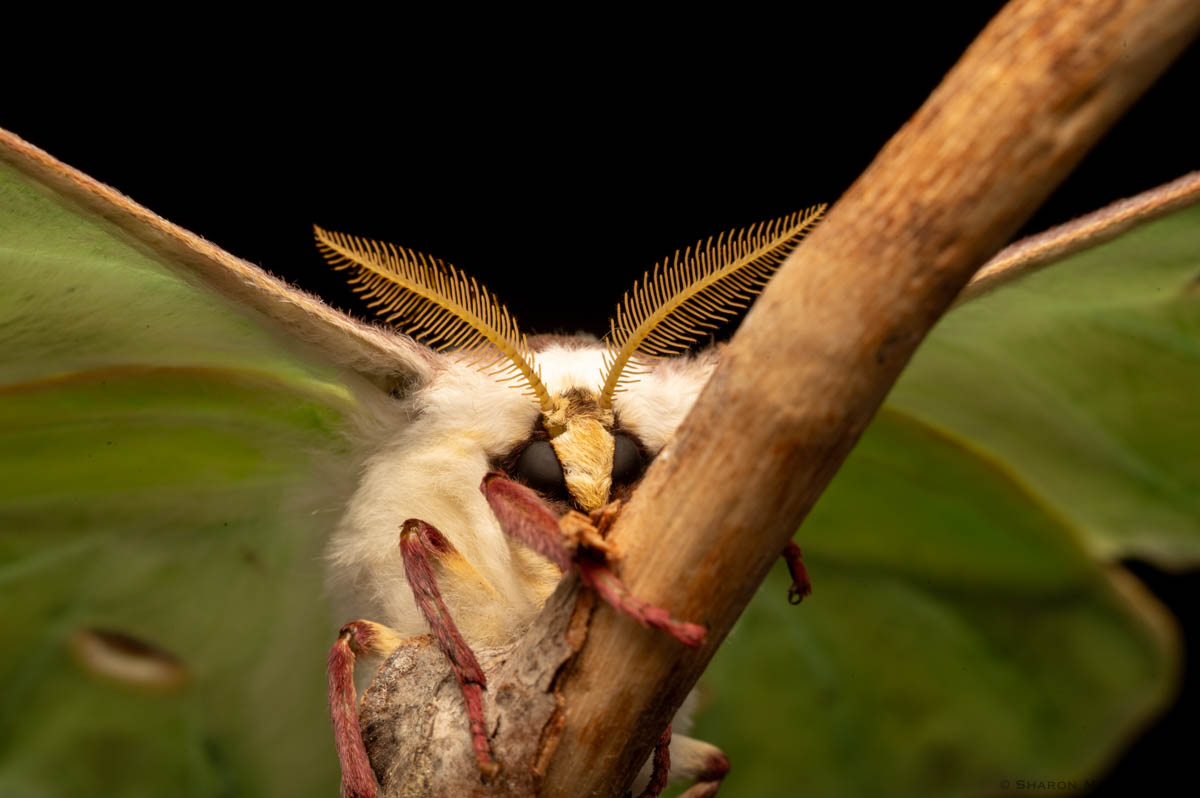
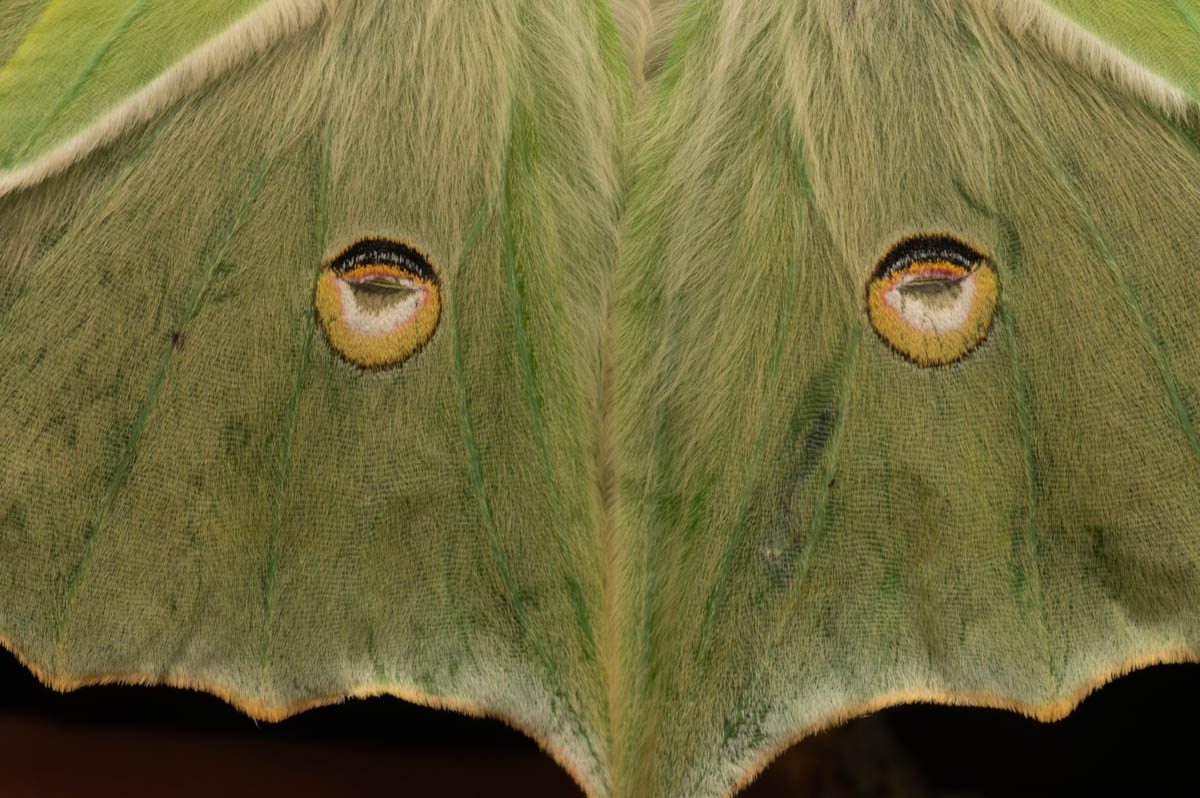
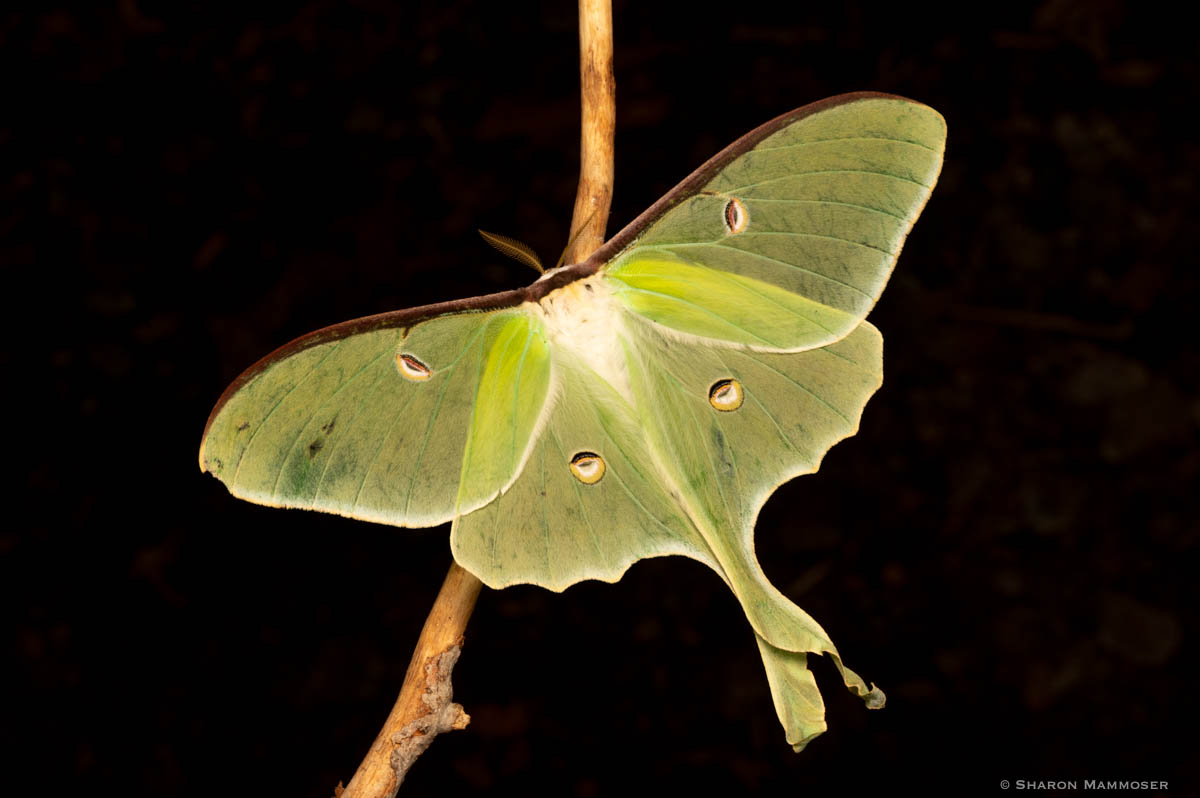
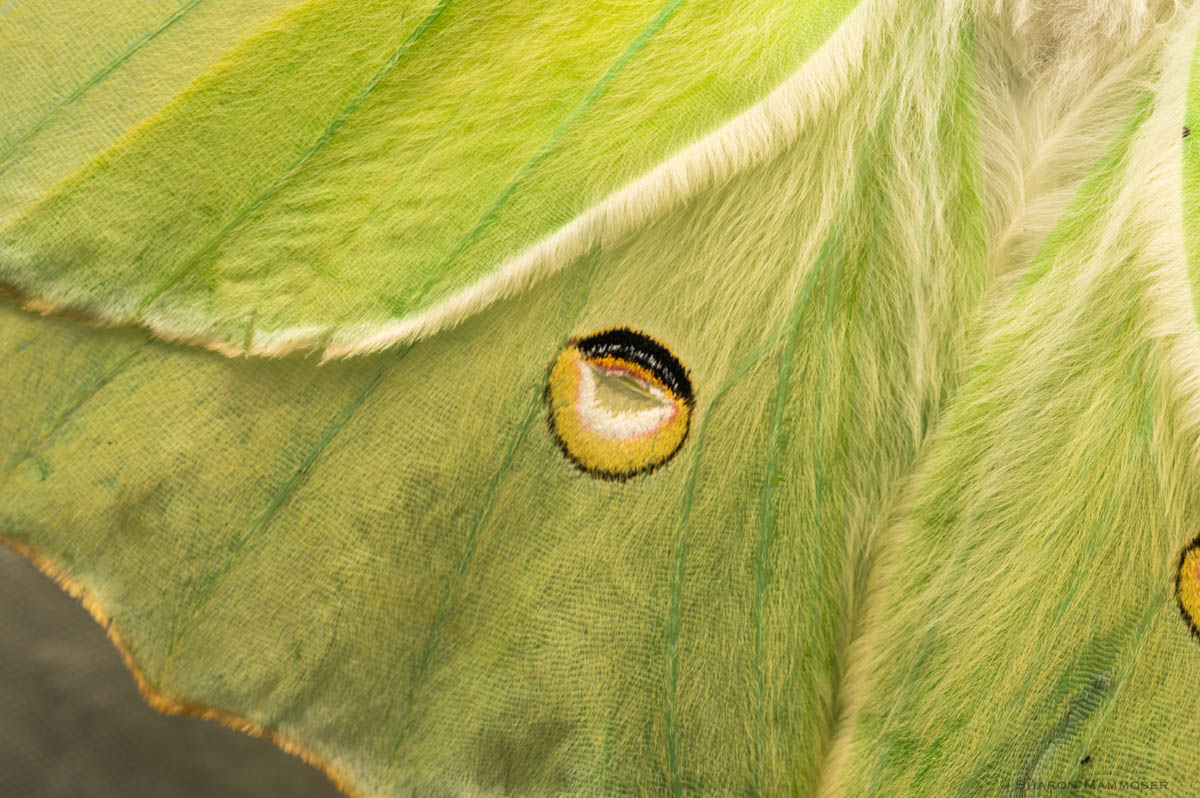
A few nights ago I set up 3 of my mothing stations and then settled in to see who would join me. The most notable guest was the very beautiful luna moth — a species of moth I have seen many times before– but never at my mothing stations in my own yard. So what a thrill it was to have one join me. I wanted to shout it from the rooftops for everyone to come see this exquisite creature that looks like something out of a fairy tale. But of course, our forest stayed quiet as I admired her in silence, wishing my husband was beside me to share the moment. He would have loved seeing her as much as me and I would have reveled in watching his awe as he held her gently while I photographed them. Let this serve as your reminder to schedule together time with your loved ones because you never know when your time on Earth will end.
Most people have a negative or neutral opinion about moths, which is sad given that they outnumber their day-flying cousins, the butterflies, ten to one! This fact astonishes people! Like bats, moths have been negatively, and often falsely, portrayed in movies, TV shows and other entertainment. There are approximately 160,000 species of moths on our planet, though scientists admit we have not even named or discovered all that exist. Who knows how far we might be off. It’s safe to say there are a lot of moths out there! And many are important pollinators, in addition to being food for many species higher on the food chain.
And why should we care about moths? We should all care about moths because moths and their caterpillars are essential to a healthy, functional ecosystem. Know those songbirds that visit your seed feeders? Like bluebirds, chickadees, and cardinals? Well guess what? When raising babies 96% of our songbirds REQUIRE insects, and especially caterpillars, and since moths outnumber butterflies 10 to 1, guess what kind of caterpillars hungry parents are going to be able to find more easily? Moths!
So if you care about BIRDS, and a healthy, functioning ecosystem, you should also care about MOTHS. People think adding a bird feeder to their yards is “helping” the birds. If you truly want to help the birds– then learn to welcome moths to your yard.
I recorded 58 species on this recent mothing night, uploading photos of them to Naturalist to help scientists around the world. (You too can join iNaturalist and upload photos of things you see in your outdoor adventures. )
Here are a few photos from my recent evening mothing in our “Enchanted Forest.” Did you know moths smell with their antenna? That’s why they are often so feathery-looking. Some of the big silk moths can smell a mate from several miles away! Imagine if your spouse could smell you from several miles away! Yikes, talk about the value of showering regularly!
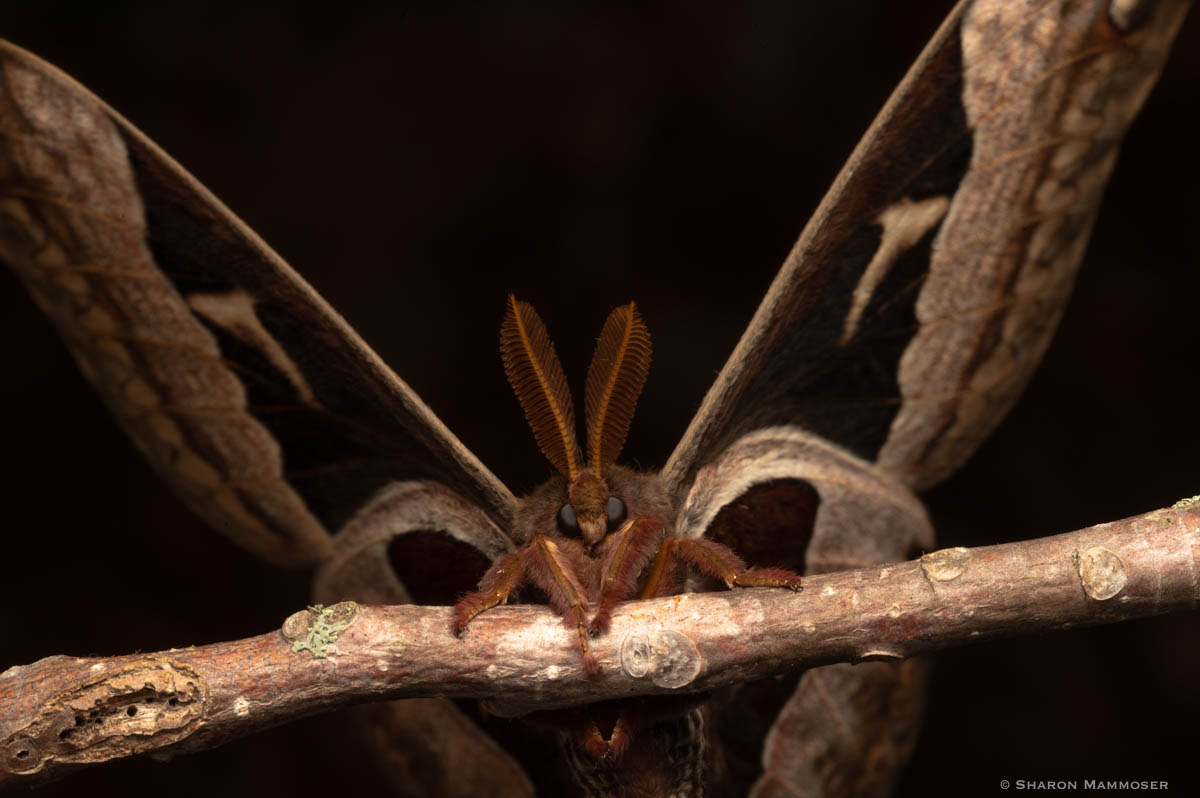
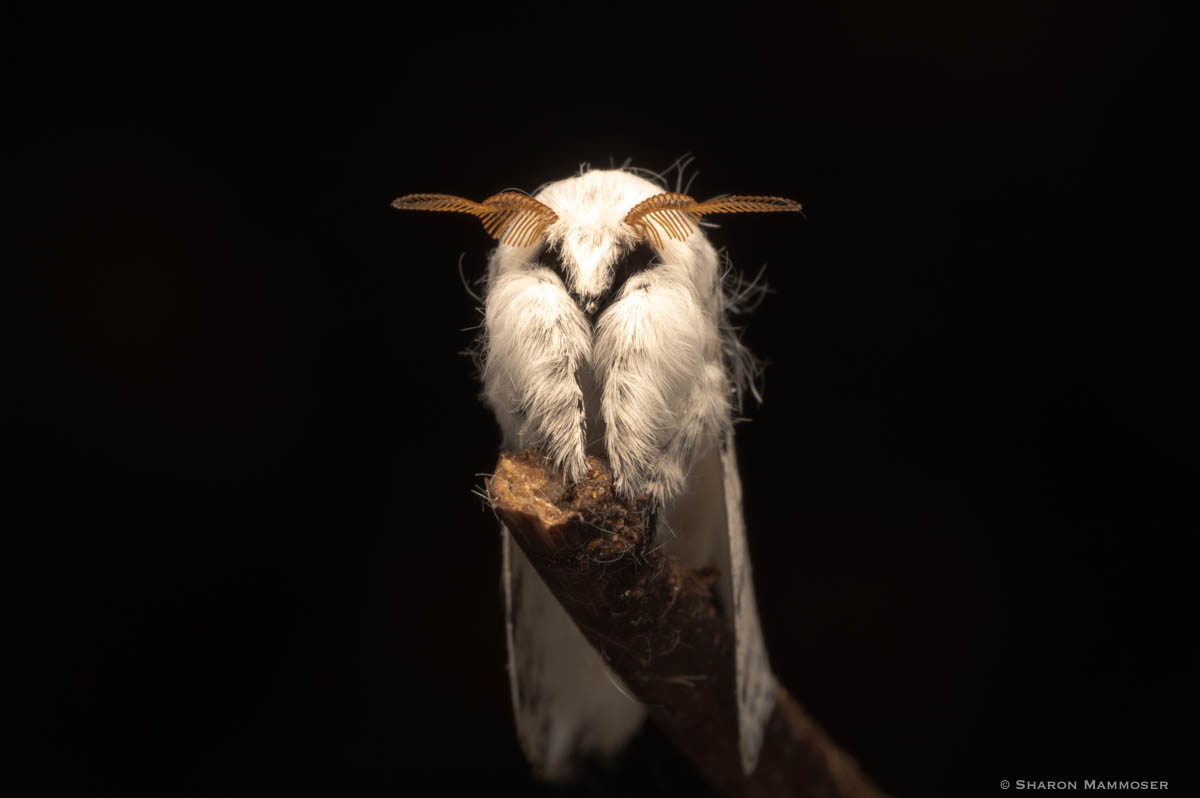
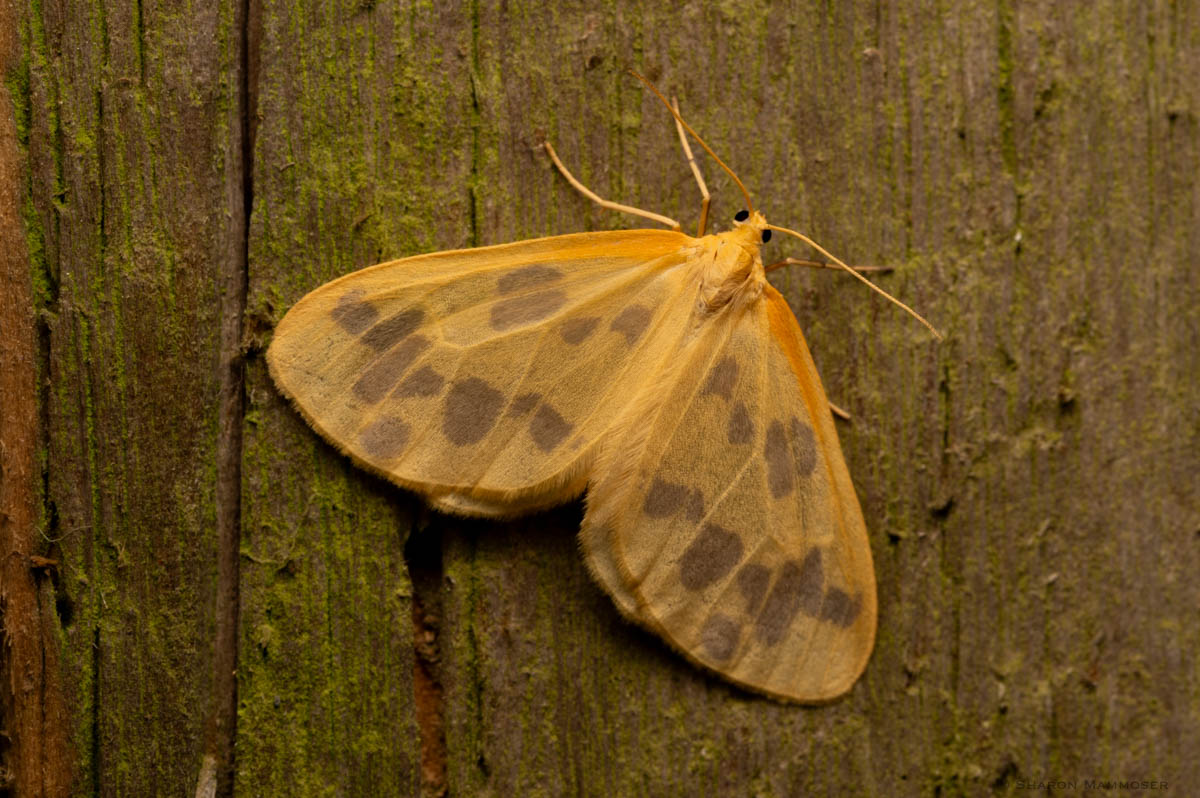
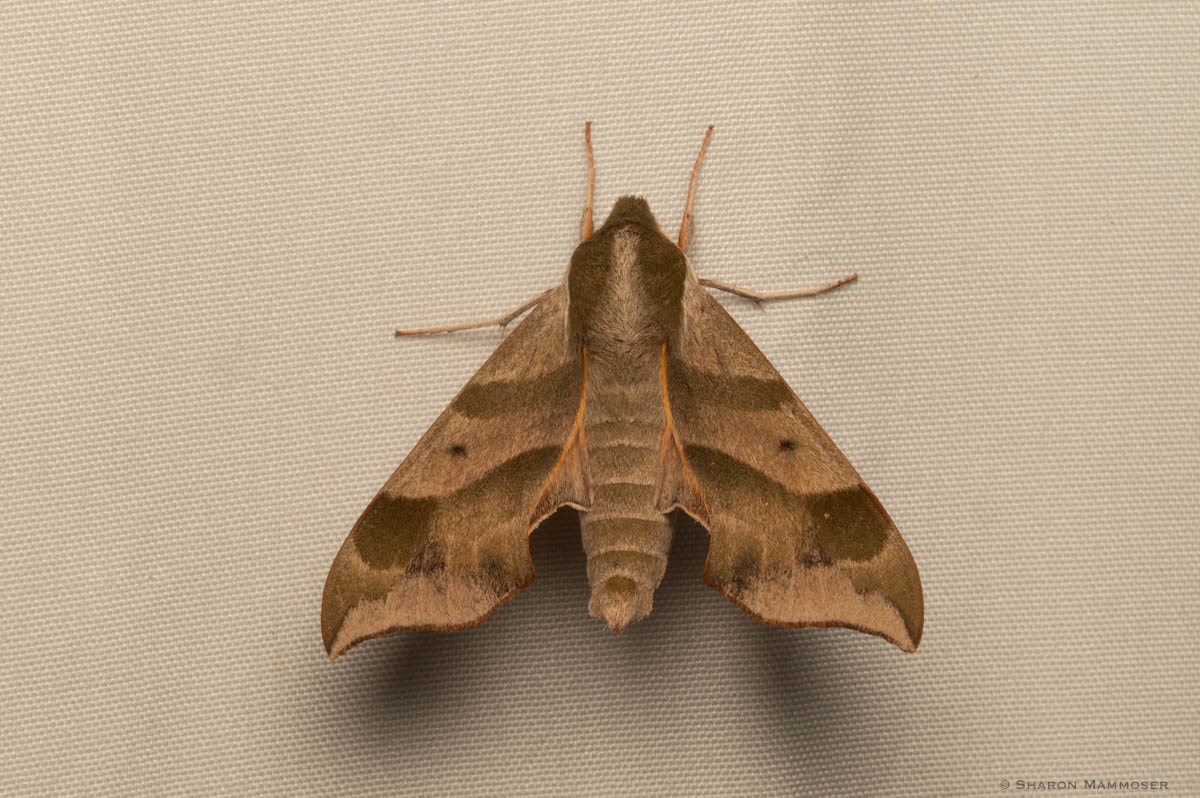
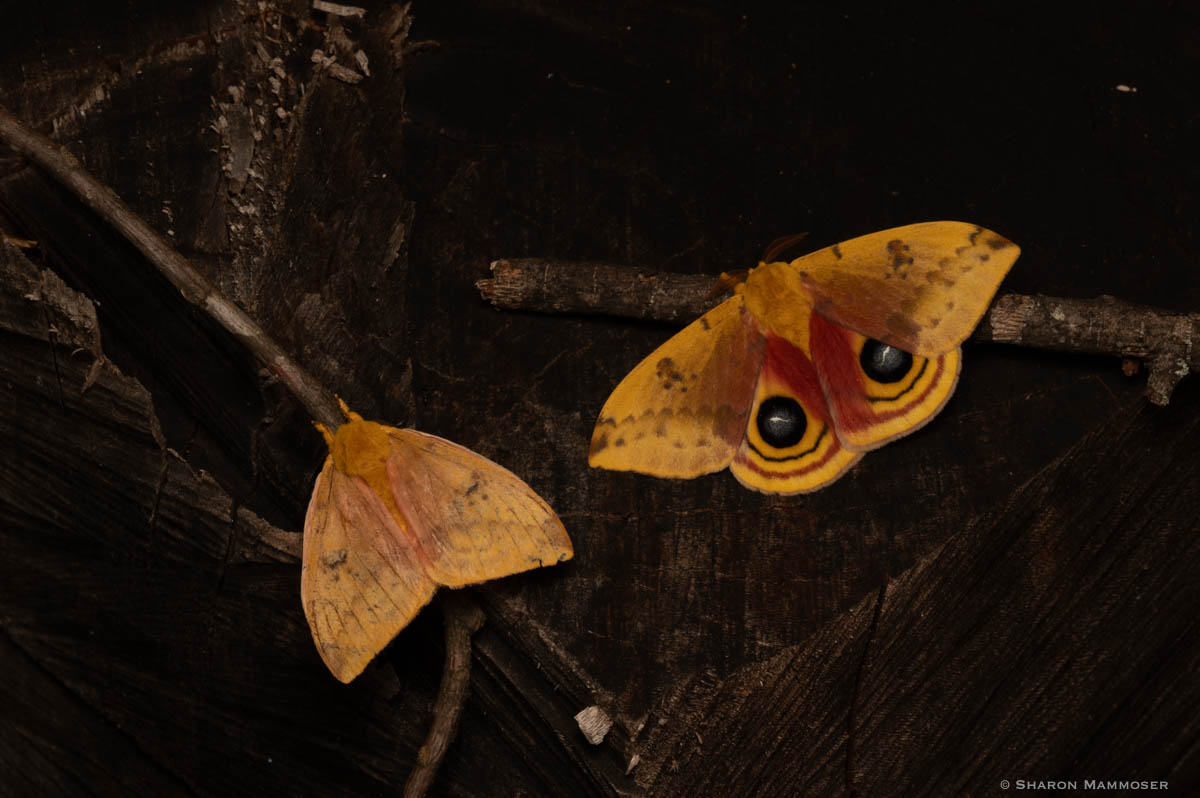
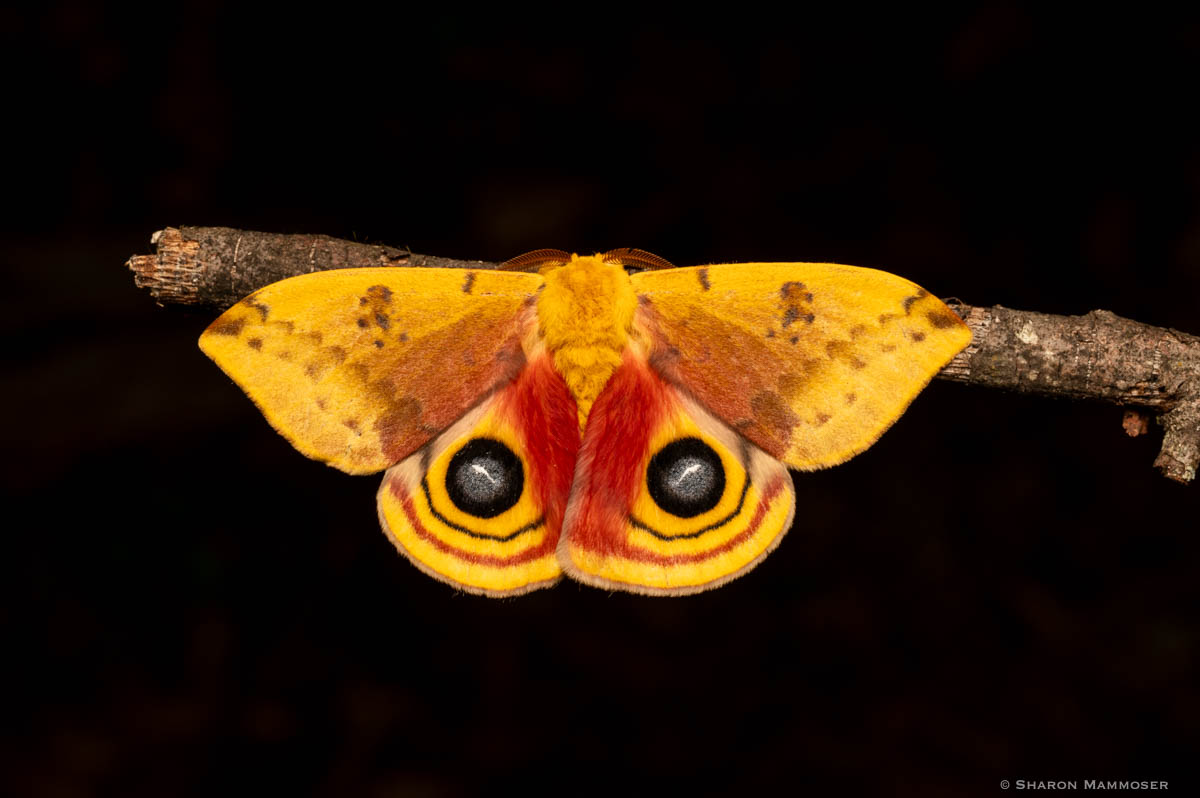
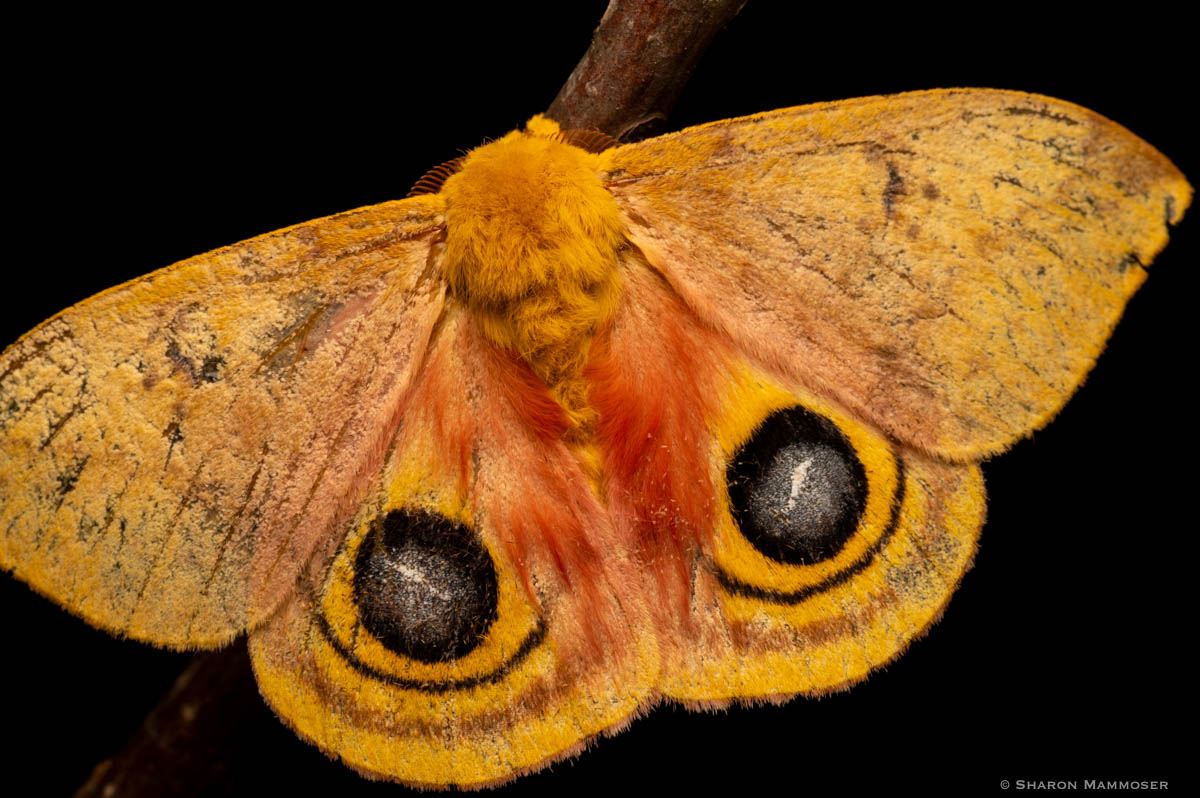
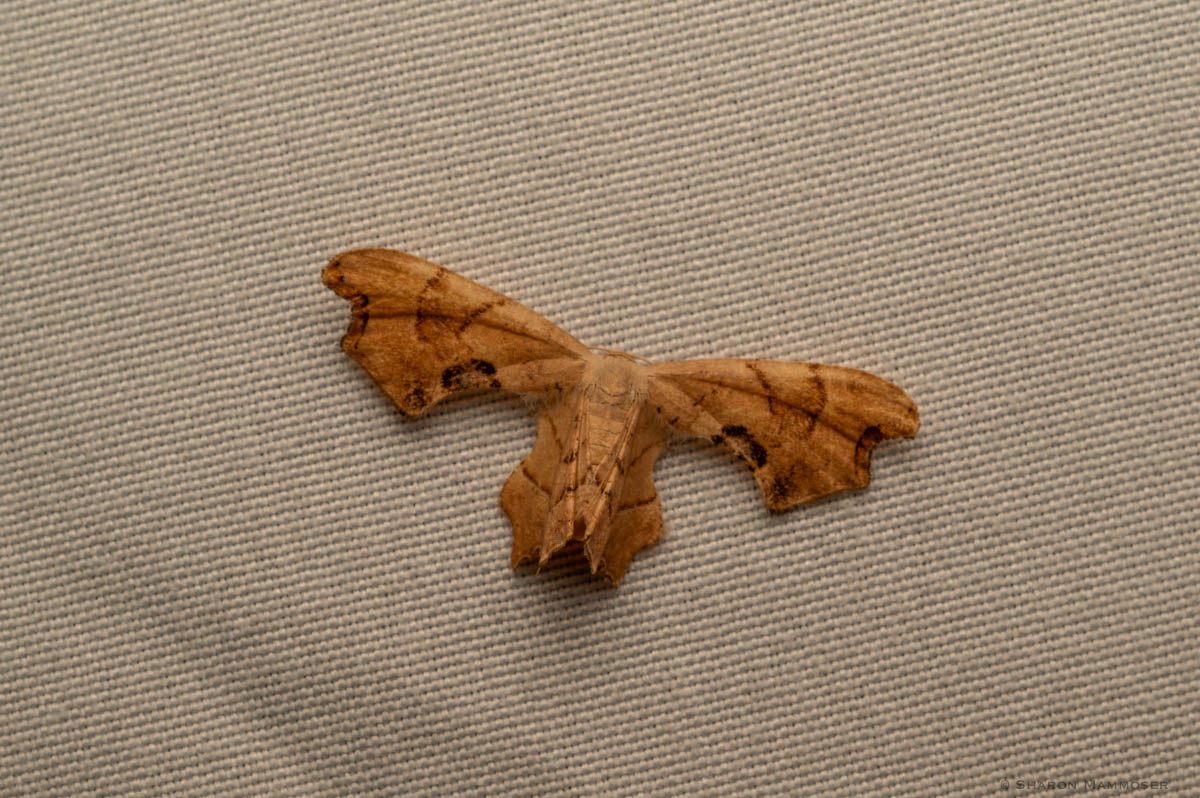
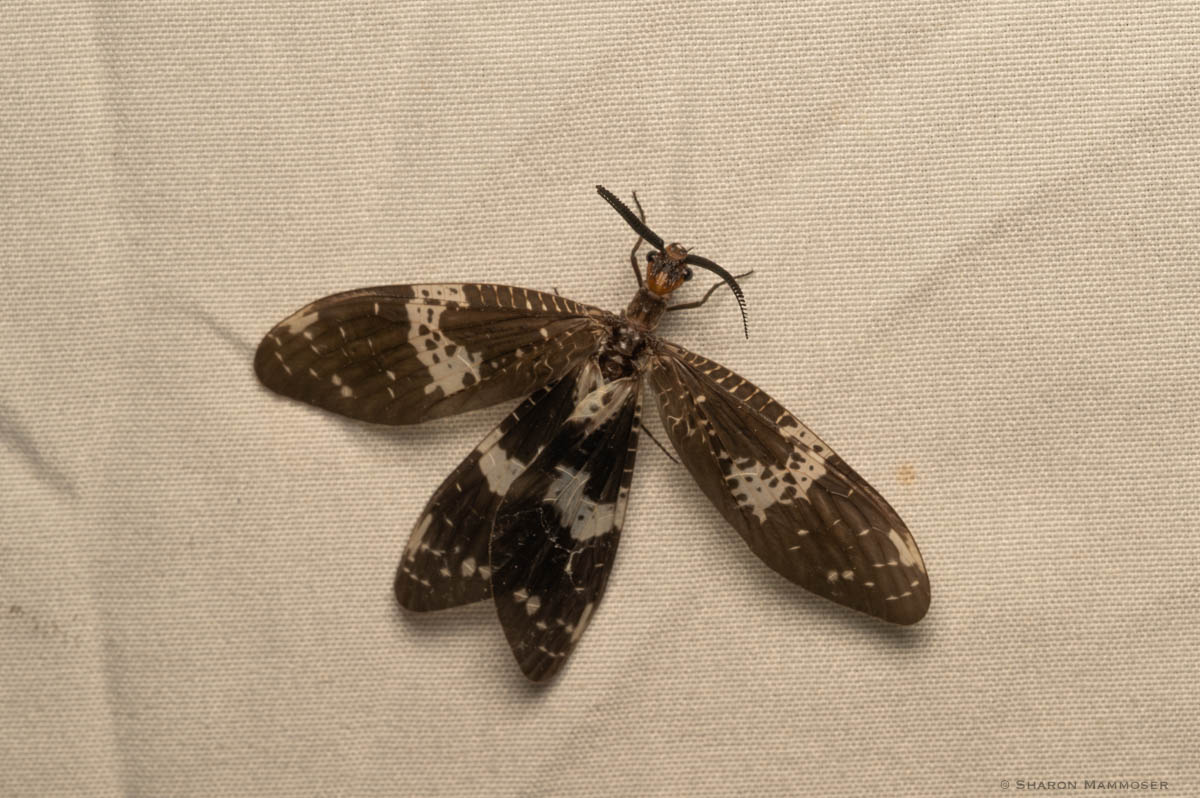
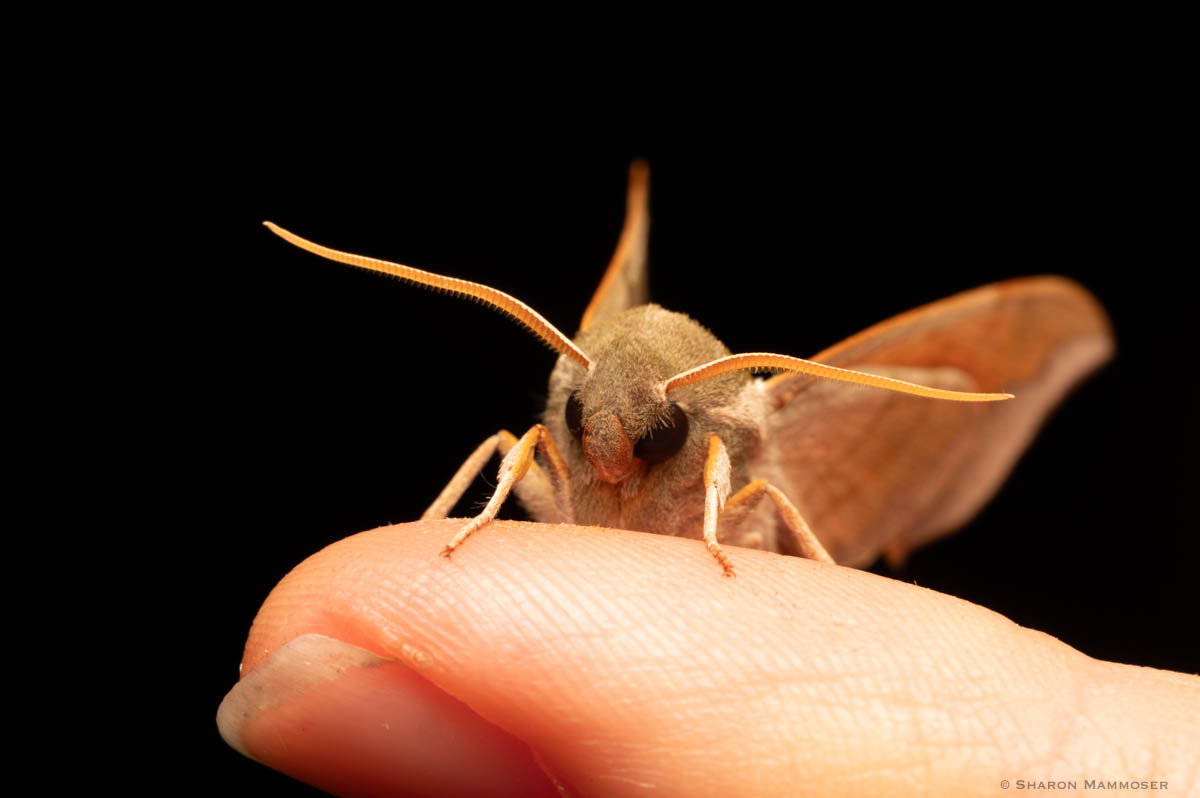
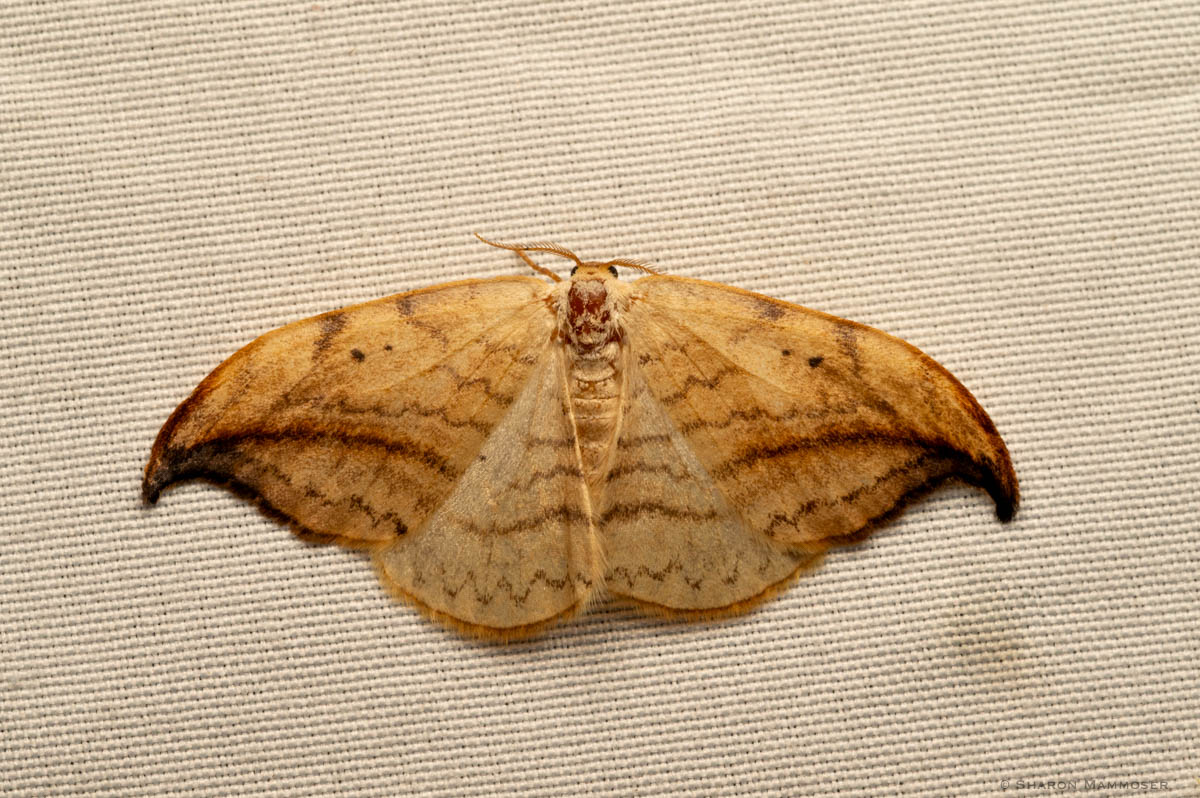
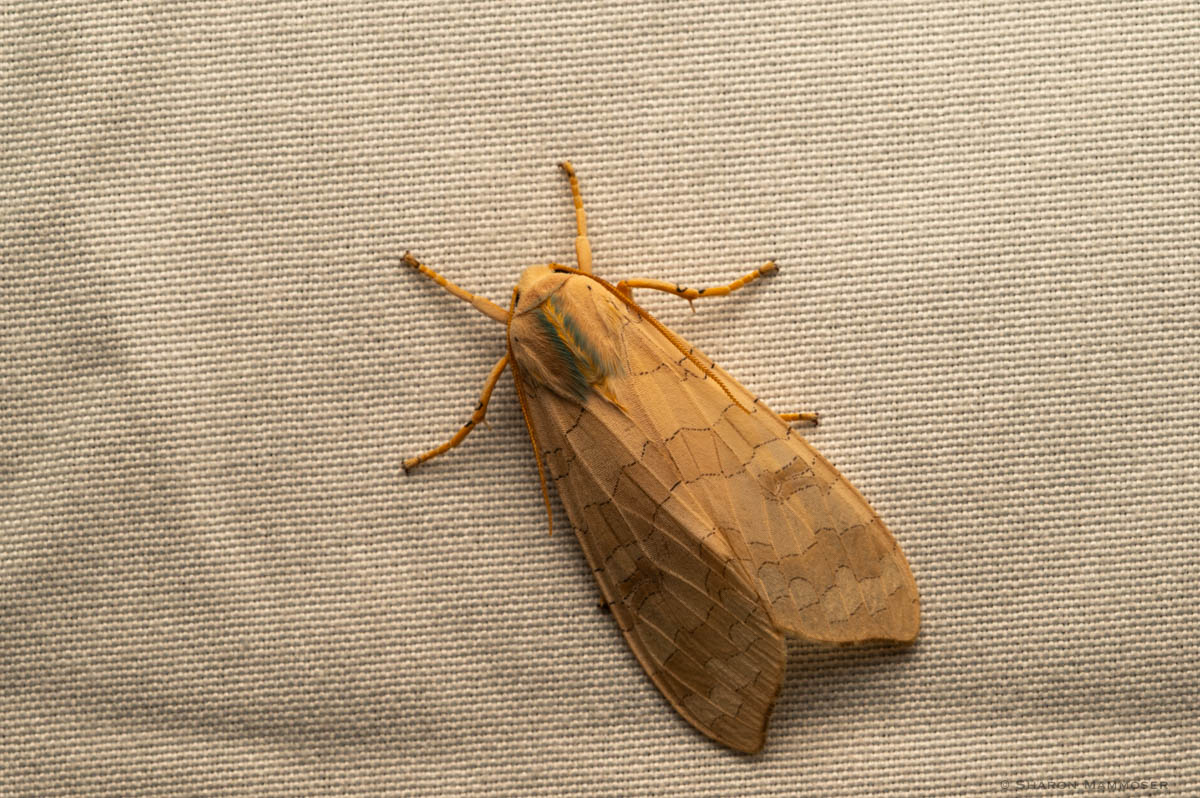
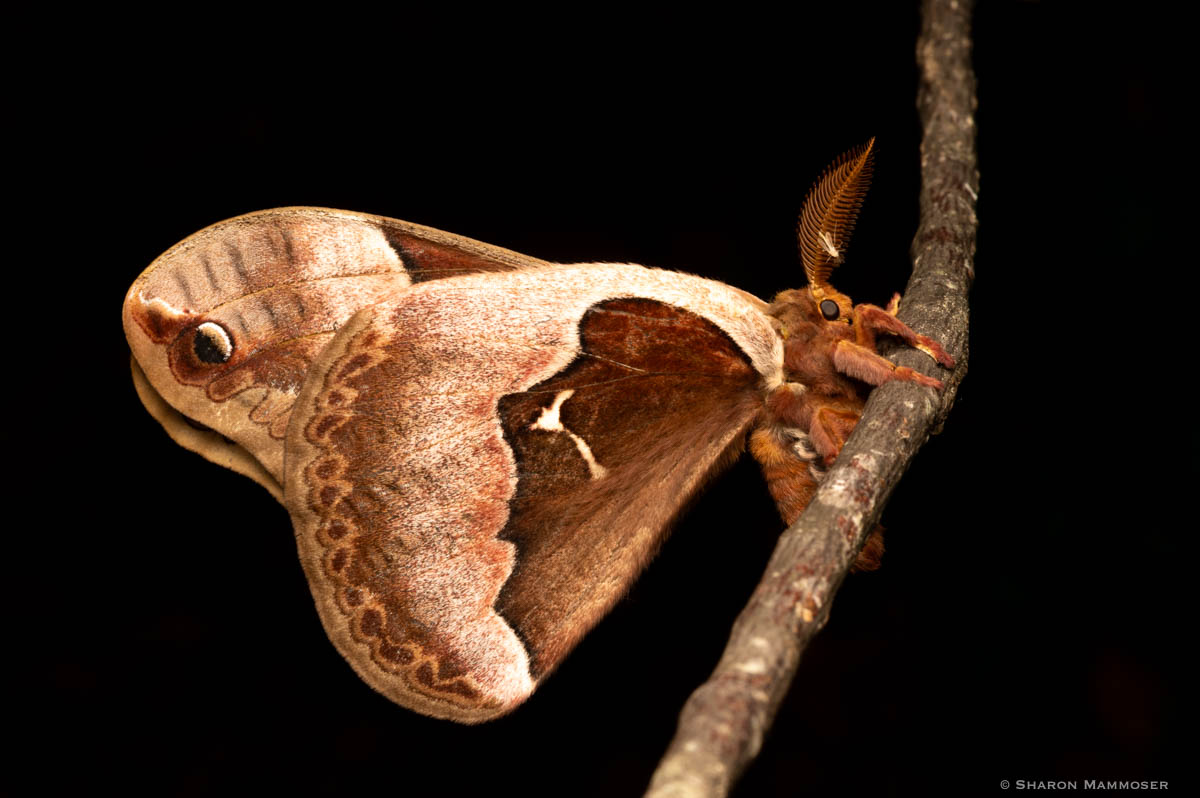
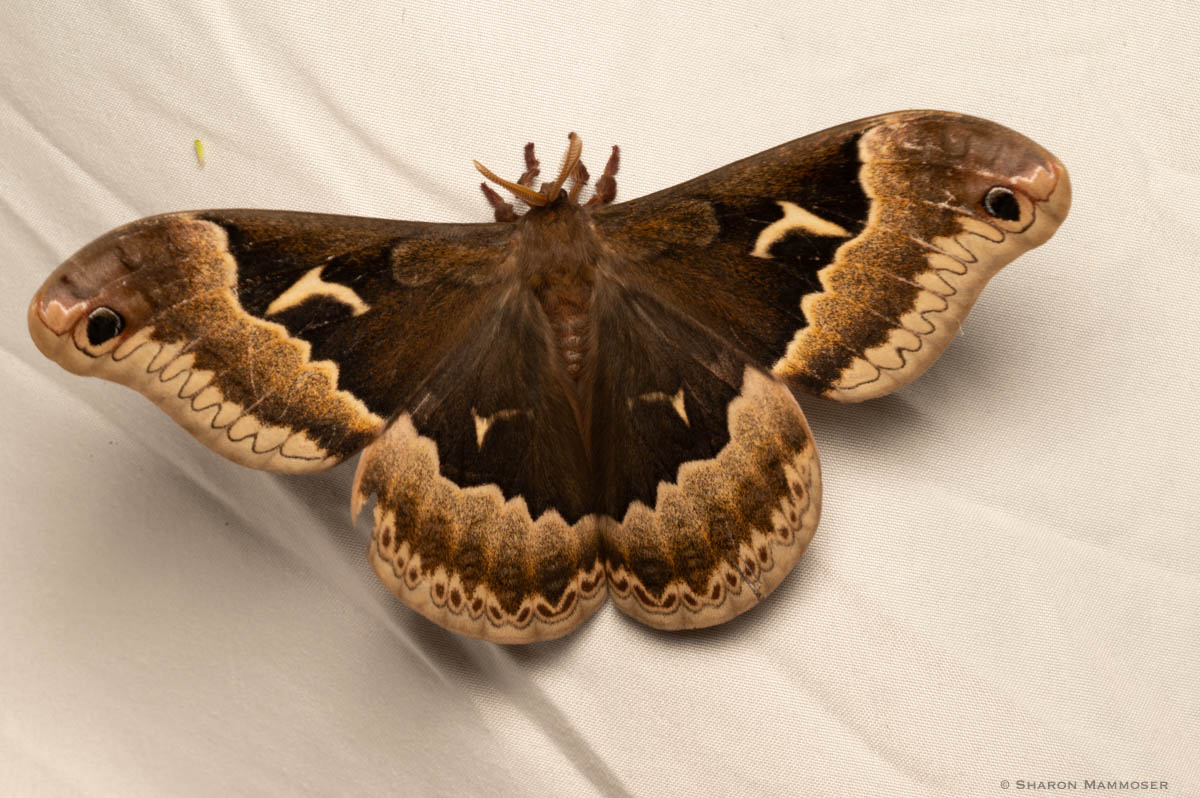
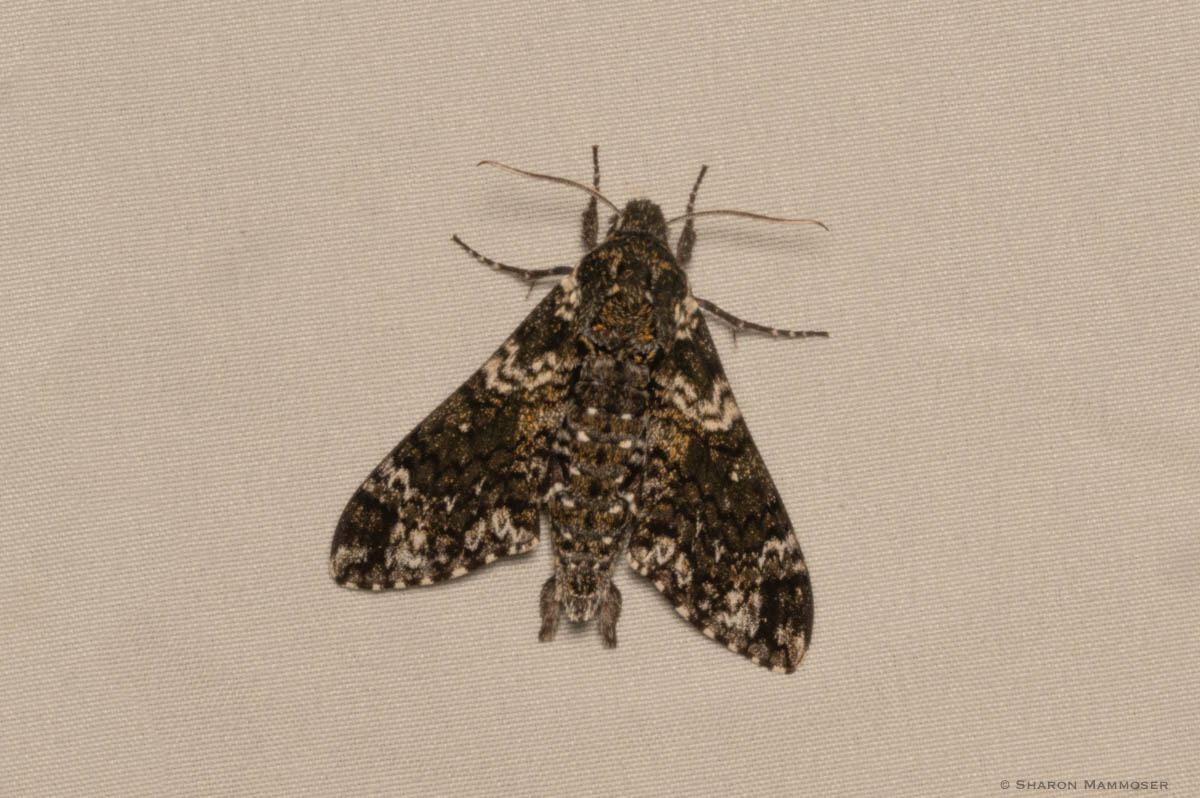
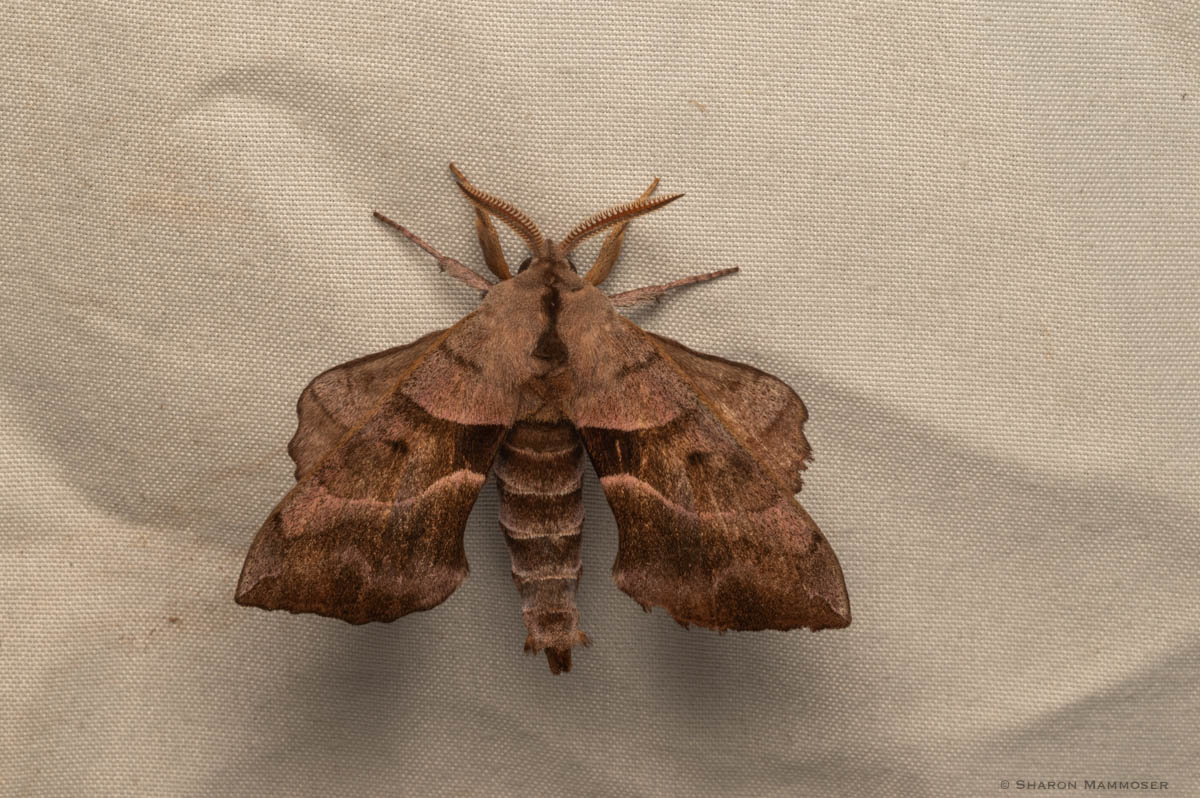
Which one is your favorite? Have you see any of these ?
For more information about how and why we should attract moths to our yards, see this previous post.
Beautiful! Thank you for sharing!
You’re welcome Amanda. Thanks for reading.