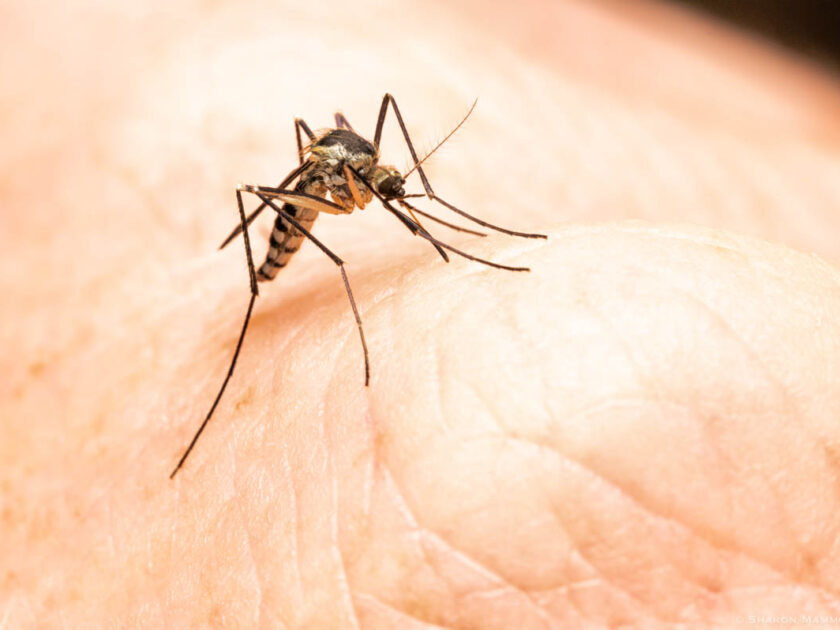
It’s summer, the time of year when many of us want to be spending time outside–grilling, using our patio or deck, or just enjoying our yards. I think it’s one of the few things we can all agree on–mosquitoes are not welcome, and are a quick way to spoil the party. Guests want to go home with happy memories, not itchy mosquito bites!
But before you call in the “big guns,” by which I mean the mosquito spraying services, here are some things you should know.
No matter what their website tells you or what they say to you in person, it is impossible to spray these broad-spectrum insecticides and NOT KILL bees, butterflies, fireflies, dragonflies, caterpillars, ladybugs, and many other insects that come in contact with these sprays.
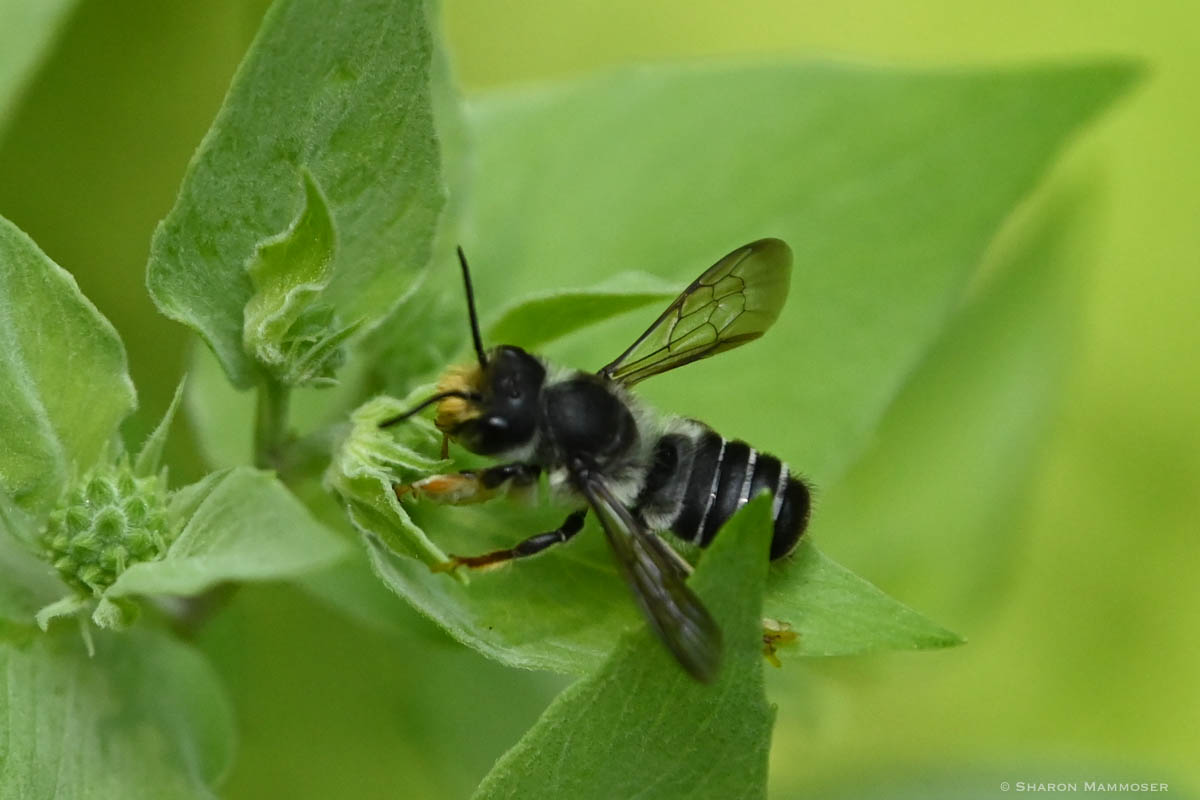
Leaf cutter bees, as well as other insects may die from mosquito fogging services.
Most of these companies arrive with a van or truck and use sprays that are approved by the EPA and may tell you they’re organic (which many often are, but that doesn’t make them safe for insects.) But watch out, as just because a product has been approved by the EPA doesn’t mean it’s safe. Just look at Roundup and all of the lawsuits involving cancer. So whether you’ve hired Mosquito Joe, Mosquito Squad, Mosquito Authority or another similar company, someone dressed in long sleeves and pants, wearing safety gear arrives and proceeds to strap on backpacks filled with poison that they then spray around your house, and yard. Some of these companies push for you to commit to regular “treatments,” with them, returning to keep spraying at regular intervals. Guess what happens when these chemicals land on your plants?
Insects that make contact with them die.
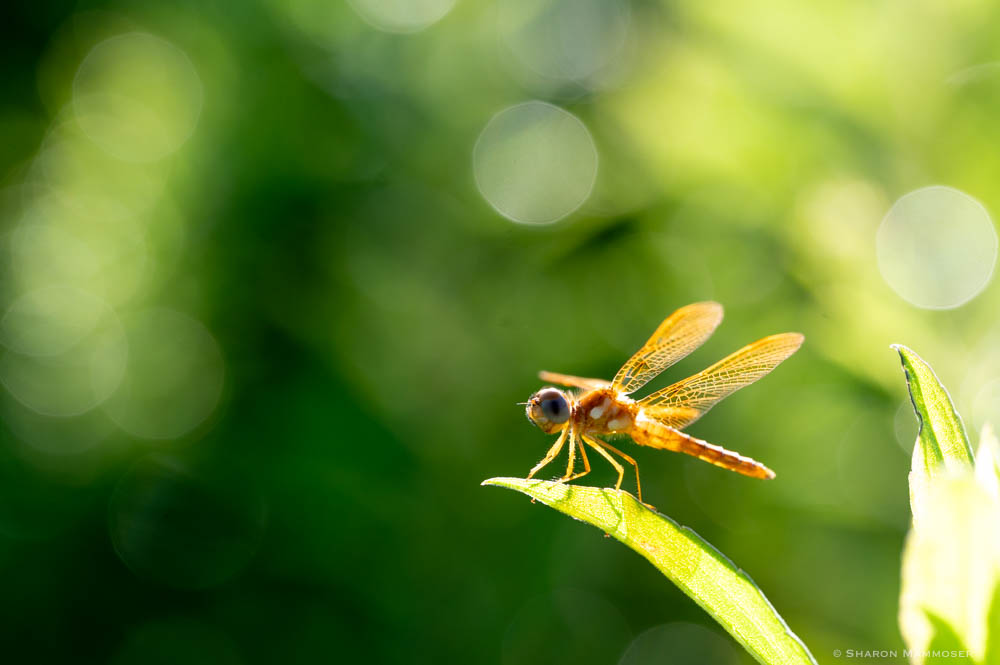
Dragonflies and other insects will die from mosquito fogging.
Despite efforts to the contrary, our world cannot exist without insects as they are the foundation of the food web. We need to make everyone aware of this! Insects are not optional in our world if we want to have clean water and air, along with all of the other services they provide. If we want to enjoy beautiful birds like cardinals, chickadees and bluebirds, then we must have insects. Insects, and caterpillars especially, are the very foundation of a healthy, functioning ecosystem. We cannot live without insects!
According to a NWF blog post, “Most residential mosquito control companies use insecticides known as pyrethrins, which are chemicals derived from chrysanthemum flowers that are toxic to insects; or more frequently, pyrethroids, which are synthetic chemicals that mimic pyrethrins. Whether natural or synthetic, these are broad-spectrum insecticides that are highly toxic to a wide variety of insects, not just mosquitoes. ”
So if you have mosquitoes on your property, and want to know a better solution, here are a few things you can do instead of resorting to one of these companies that spray toxic chemicals all over your yard.
First: Do a yard inspection for standing water.
Mosquitoes don’t require much when they are laying eggs, and if it’s hot, the eggs can develop from egg to adult in less than a week. Check any spots where water can be accumulating, including gutters, plastic tarps, dog bowls, bird baths, pot garden platters, old tires, and other places where water can collect. Empty these and check them regularly.
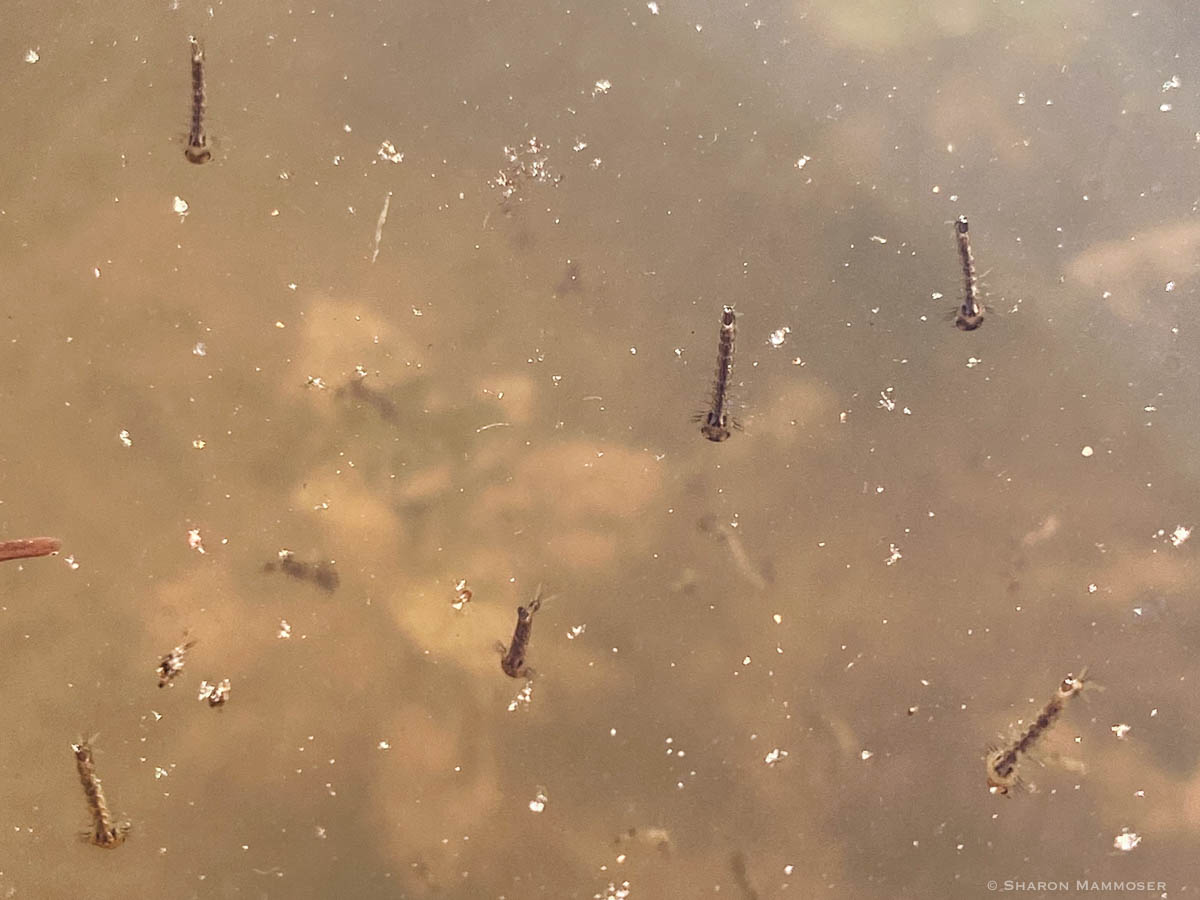
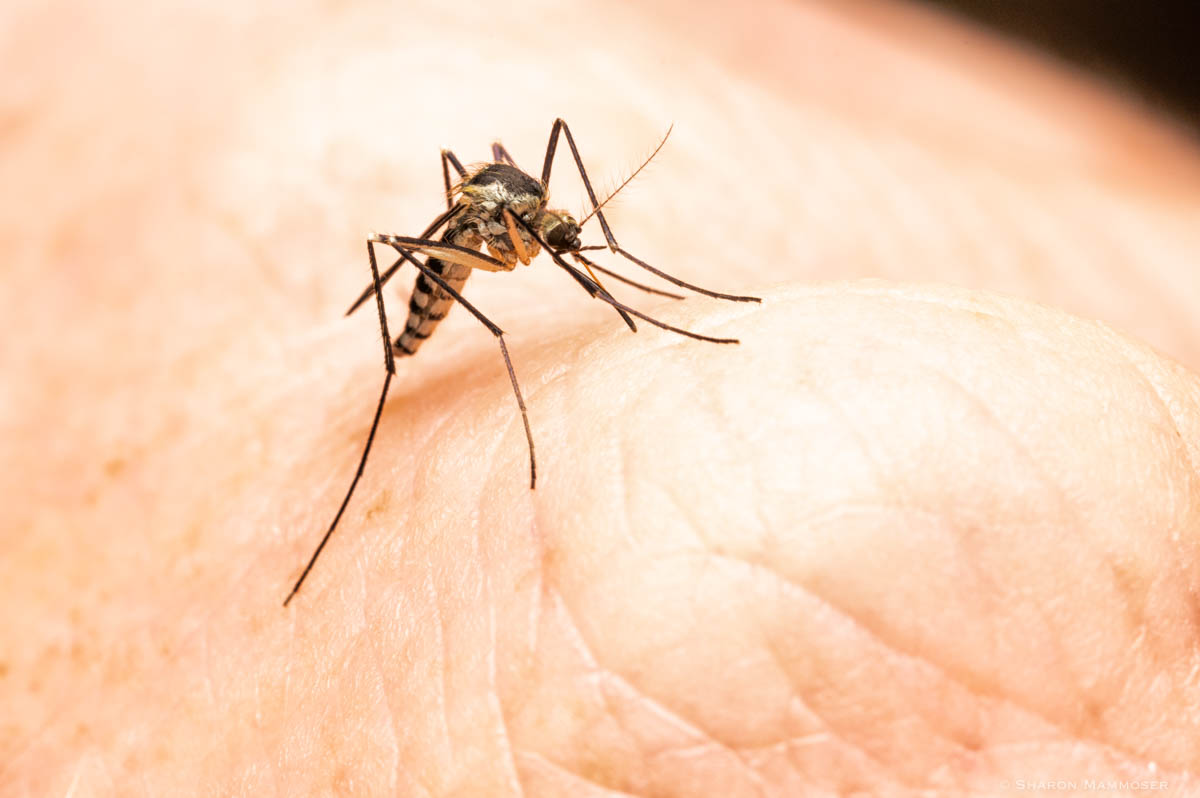
Mosquito larvae in water.
Second: Nip the problem in the bud– before mosquitoes become adults.
To do this, simply fill buckets, such as a 5 gallon pail, with water. Add in some grass clippings, hay or straw, leaves or other organic matter and put this in the sun for a few days so it can accumulate a population of algae. This is what baby mosquitoes– mosquito larvae– eat. Next visit your local hardware store and buy a sheet of mosquito dunks. These will cost about $12 but will last the entire summer! Entomologist and author Doug Tallamy says, “Mosquito dunk is bacillus thuringiensis israelensis (BTI), a natural bacterium that only kills aquatic Diptera, and the only aquatic Diptera in your bucket is the mosquito larva. BTI is safe for humans, pets, and other wildlife. You can even place them in your bird baths. It’s targeted, it’s cheap, and if everybody did it, it would be effective as well.”
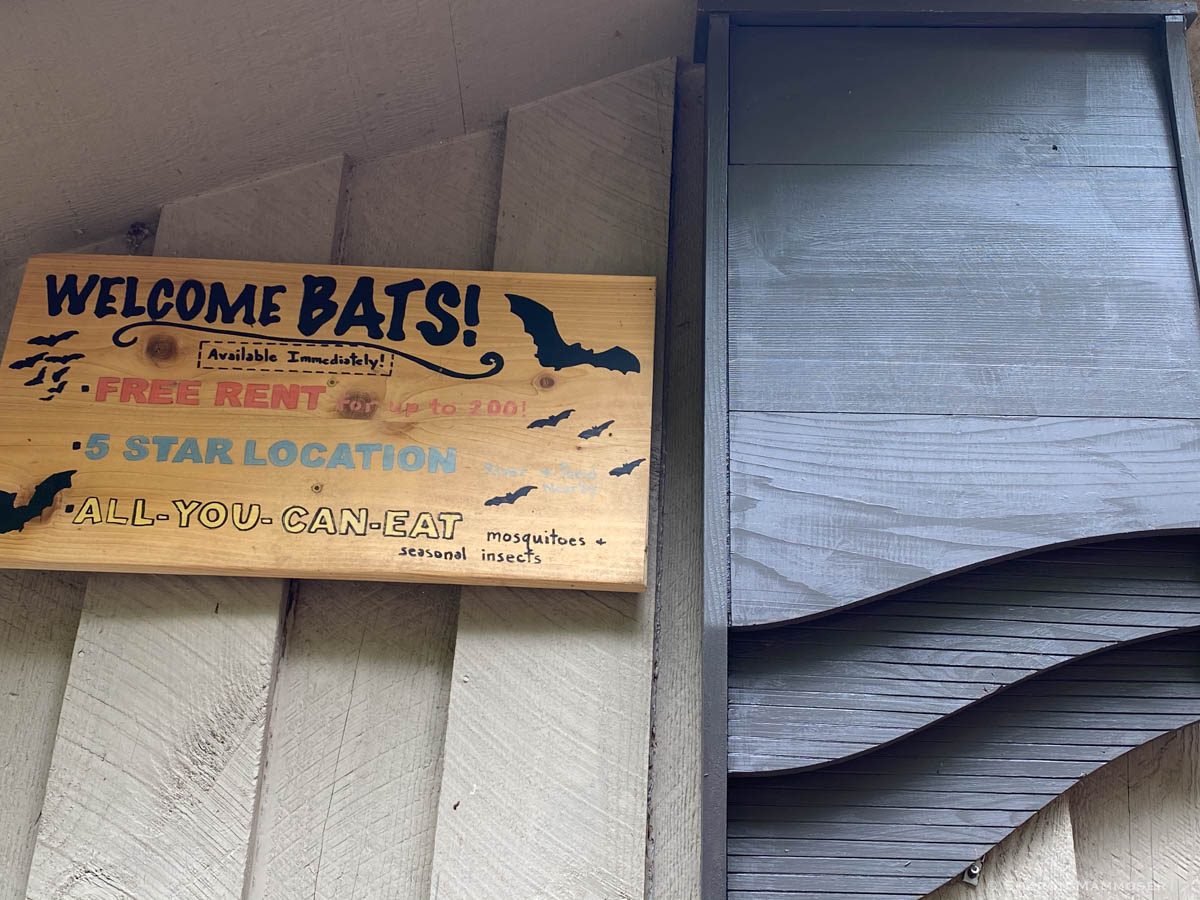
Third: Consider adding a bat box to your property, if you have an appropriate spot to put one.
Our NC bats are insectivores. In one night they can eat A LOT of insects, including mosquitoes. One brown bat roughly the size of an adult hand can eat 1000 mosquito-sized insects in ONE HOUR! Imagine the dent they can put in the insect population in one night!
A bat box in your yard could make a BIG difference.
In WNC where temperatures can fluctuate more than 40 degrees in a day, putting a bat box on a building is best. Look for spots at least 12 feet from the ground, away from doors or other areas where people regularly spend time (because of the guano beneath the bat boxes.) Ideally, it needs to be east or south facing. Second choice would be on a pole, again, at least 12 feet high, but better to have it 15-25 feet high. My friend Merlin Tuttle, founder of Merlin Tuttle’s Bat Conservation, has been studying bats for more than 60 years. His website has lots of resources for people looking to add a bat box to their yards, including proper placement, choosing the best bat box, (ALWAYS look for a Merlin Tuttle approved box for the best chances of success) and other important tips. If you think you may want to add a bat box to your yard, start here, on Merlin’s website.
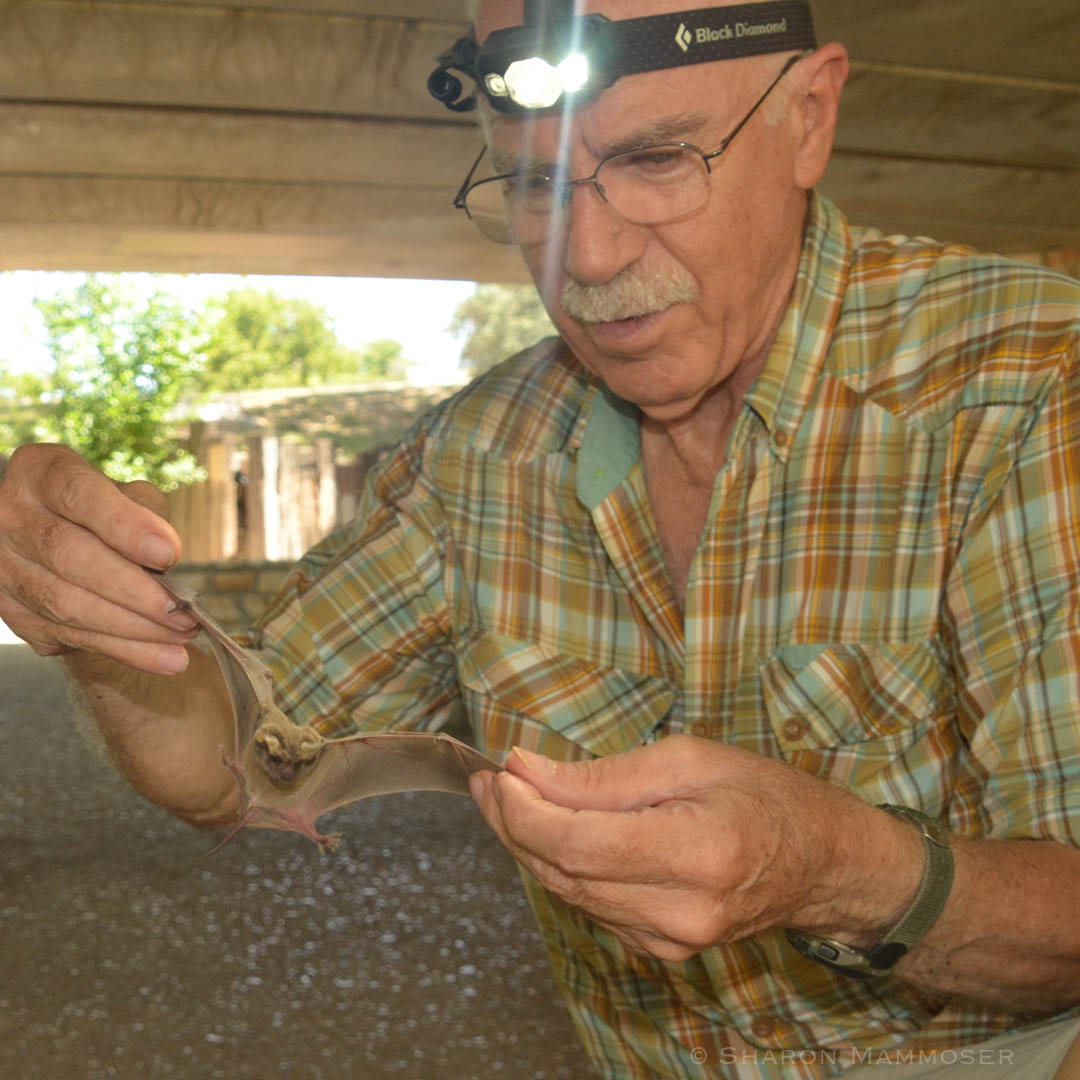
Merlin Tuttle with a Brazilian free-tailed bat in Texas
Special Note: Let’s talk about bug zappers. You’ve all seen them, or heard them if your neighbor has them. Bug zappers have the ability to kill more than 10,000 bugs in just one evening, and sadly, none of these bugs will be mosquitoes because mosquitoes are not ARE NOT ATTRACTED to ultraviolet light. So instead of killing what you want, you end up killing many, many, many insects, including many beneficial insects that the food web requires. Please don’t add a bug zapper to your backyard!
No one enjoys mosquitoes, but with a little effort and vigilance, you can prevent them from becoming a problem in your yard. Tell your neighbors! Tell your friends and family. There ARE solutions that don’t involve killing every insect in sight. Let’s start today!