

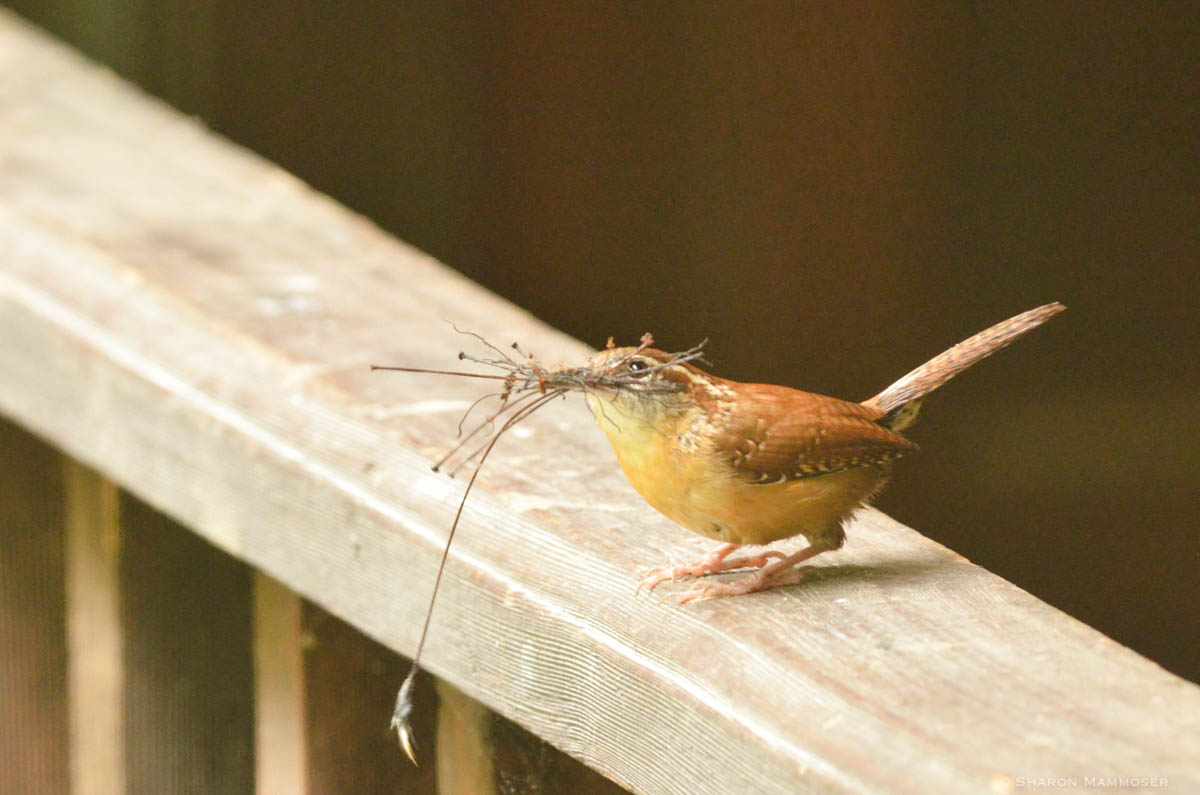
I was surprised recently to notice “my” pair of Carolina wrens starting construction of their third nest of the season– this after already successfully raising two broods. Watching them collect nesting material and the add it to the box on the wall is nothing short of amazing. They work all day, from first light until close to dark.I see them in the gutter, on the ground, in the bushes, all the while collecting moss, leaves, sticks. They return again and again to the nest, disappearing silently inside, sometimes for minutes at a time. I know they are done now, after several days of working. I learn so much from watching them, from being an intimate explorer of my yard. I believe there is such value in observing nature, especially in one’s own yard and that providing habitat instead of a perfect green lawn is one of the simplest things we can do for nature, as well as one of the most rewarding. And yet, at the same time, I recognize that most people don’t spend hours watching birds and other wildlife. And don’t know much about the songbirds who share their spaces.
So just for a minute, let’s talk about songbirds.
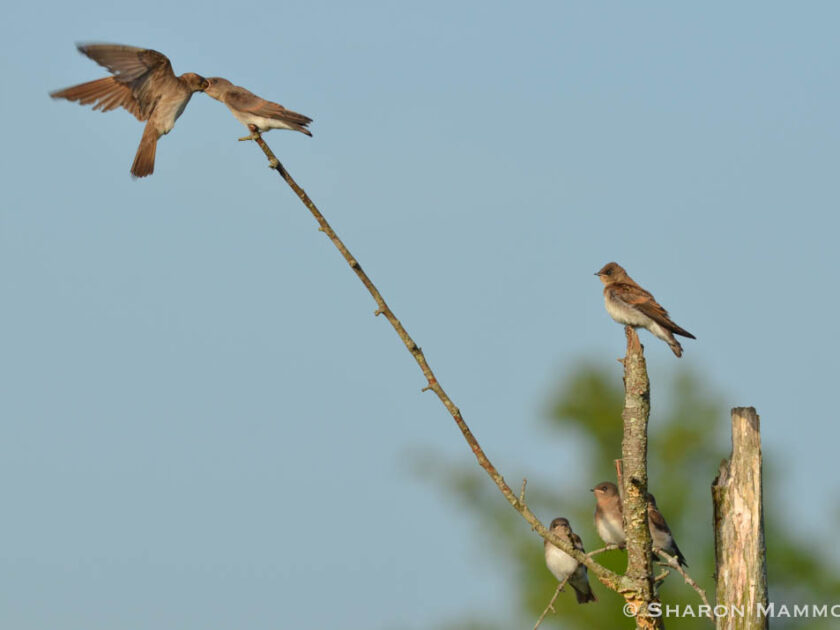
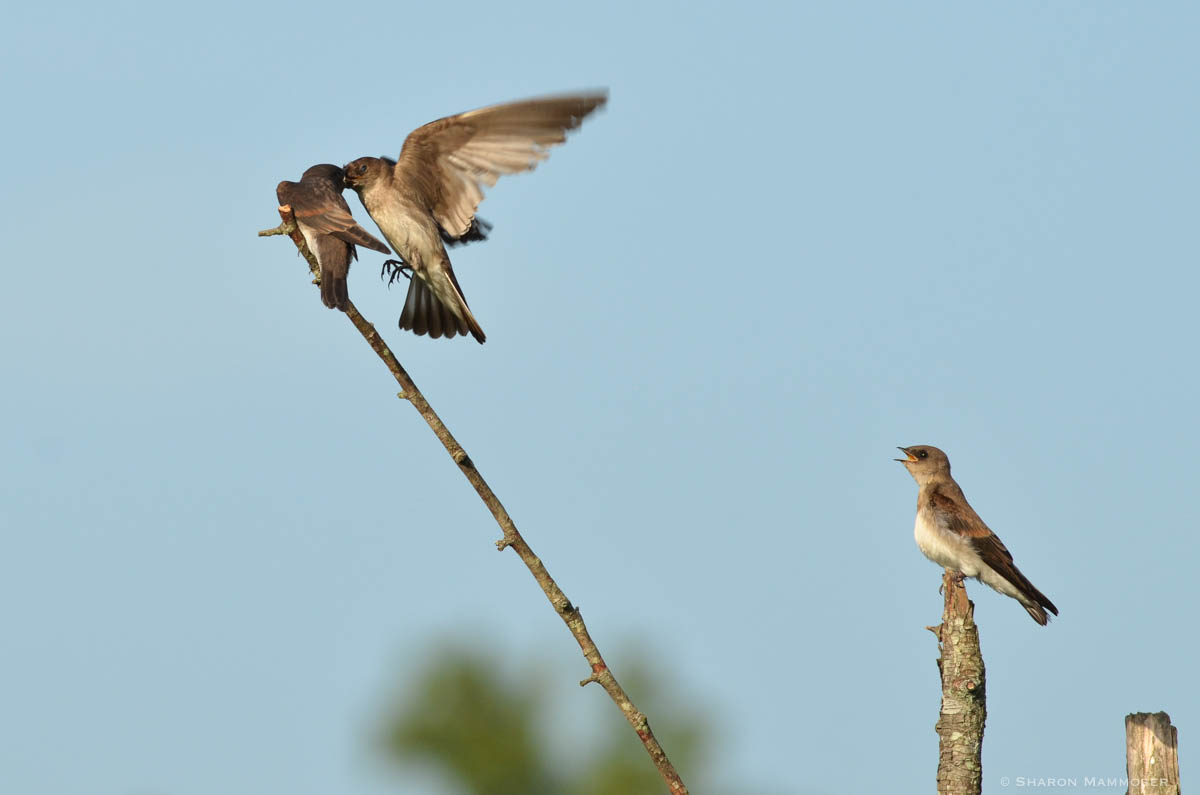
1.Did you know that when a songbird leaves the nest he or she is not “on their own” as people sometimes imagine? After songbirds fledge (leave) the nest, they are cared for by their parents for a period of time, about ten days, sometimes longer depending on the species. Fledglings cannot fly well at this point and have lots more lessons to learn before living independently. They will shiver and shake their bodies while calling out, causing Mom or Dad to fly in and give them a few bites of food. This supplemental care is essential to their success, helping them bridge the gap between leaving the nest and being totally on their own. So if you find a baby bird on the ground, it doesn’t mean s/he was abandoned by her parents, or that you need to “save it.” In most cases Mom or Dad is nearby, probably out looking for food.
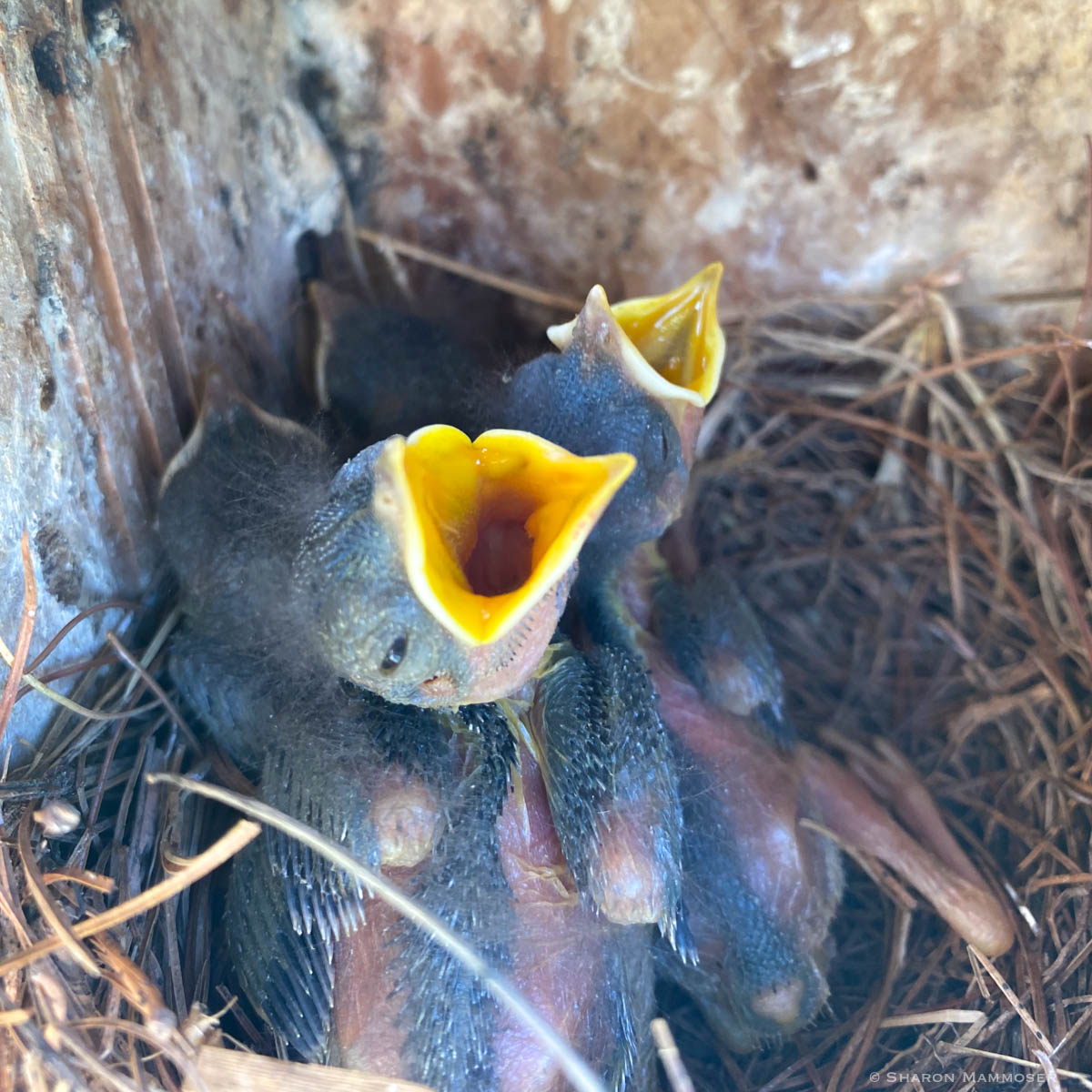
2. Did you know most songbird Moms will wait until all of their eggs are laid--usually one per morning for 4-6 days– until starting to incubate them? She does this so that all of the birds hatch out at the same time and have the same chances for survival. This is called delayed incubation and is common in songbirds, ducks, geese, peregrine falcons, and woodpeckers.
3. Did you know most songbirds like bluebirds or chickadees won’t reuse the same nest? This is for a couple of reasons, including that the nest may contain blowfly larvae, mites, ticks, fleas, and other parasites. Another reason is over time the integrity of the nest is compromised and predators may have discovered the nest, making it especially vulnerable to predation. Building a new nest, usually in a new place, means a fresh start, devoid of pests and problems.
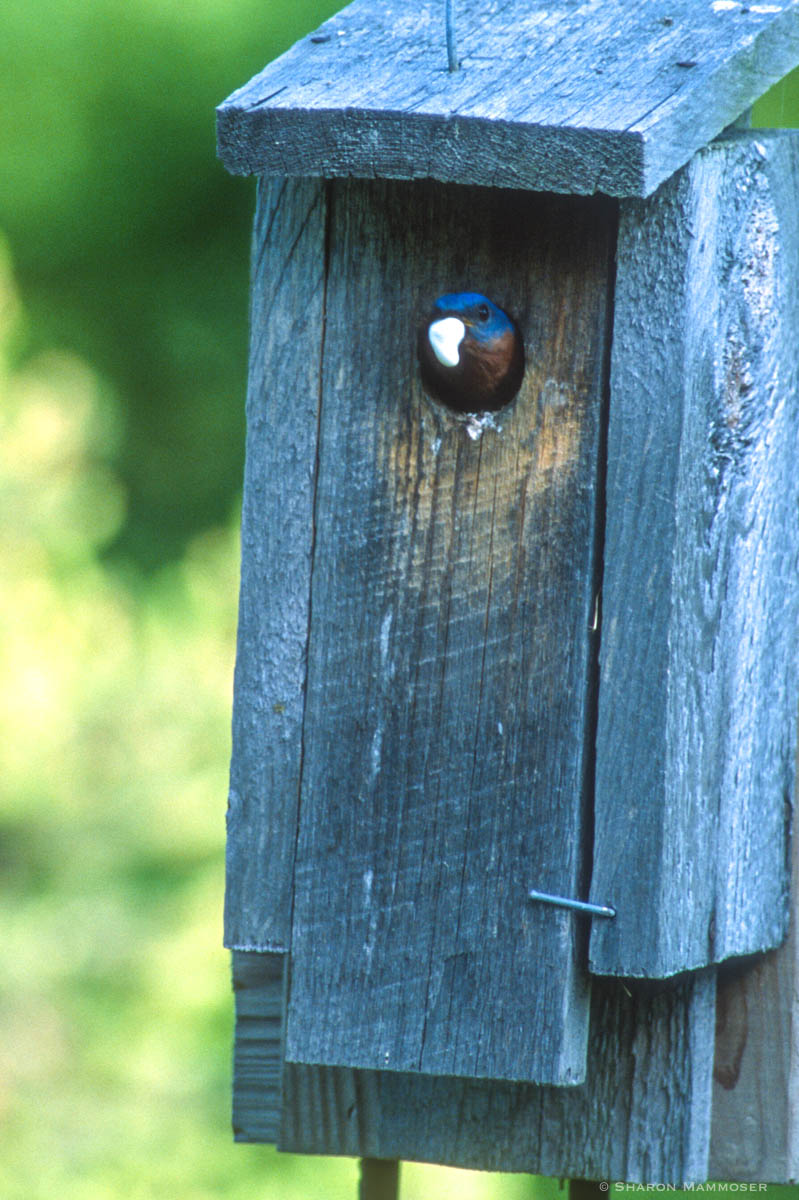
4. Do baby birds poop in their nest? Where does the poop go? Imagine if the four growing wrens or bluebirds pooped right where they are– in their nest. Think of the mess! Baby birds produce waste encased in a mucous membrane, called a fecal sac. When Mom or Dad comes in to feed the chicks, they trade a bit of food for a fecal sac. It’s like a disposable diaper and is key to maintaining a clean nest. If you watch closely you might catch the adult birds leaving the nest with a white sac–that’s the fecal sac. They usually carry it away from the nest, then drop it and go. This prevents predators like raccoons and crows from following the poop– to the nest. (Some caterpillars do this too– like a silver spotted skipper who uses something called ballistic defecation-– literally shooting its poop out of its butt 15 or more feet to keep predators from finding it.)
5. Did you know some colors you see in birds, like blue in bluejays or bluebirds, are not the result of blue pigment, but caused by the structure of the feather itself? According to Birdology.com, “The dazzling hues seen in many songbirds—especially iridescent blues, greens, and purples—aren’t created by pigment but by microscopic structures within their feathers. These nanostructures manipulate the way light is reflected, refracted, and scattered, producing vivid colors through a phenomenon known as structural coloration. For example, a bluebird’s feathers don’t contain blue pigment at all. Instead, tiny air pockets and keratin layers refract light in a way that makes blue wavelengths visible to the observer.
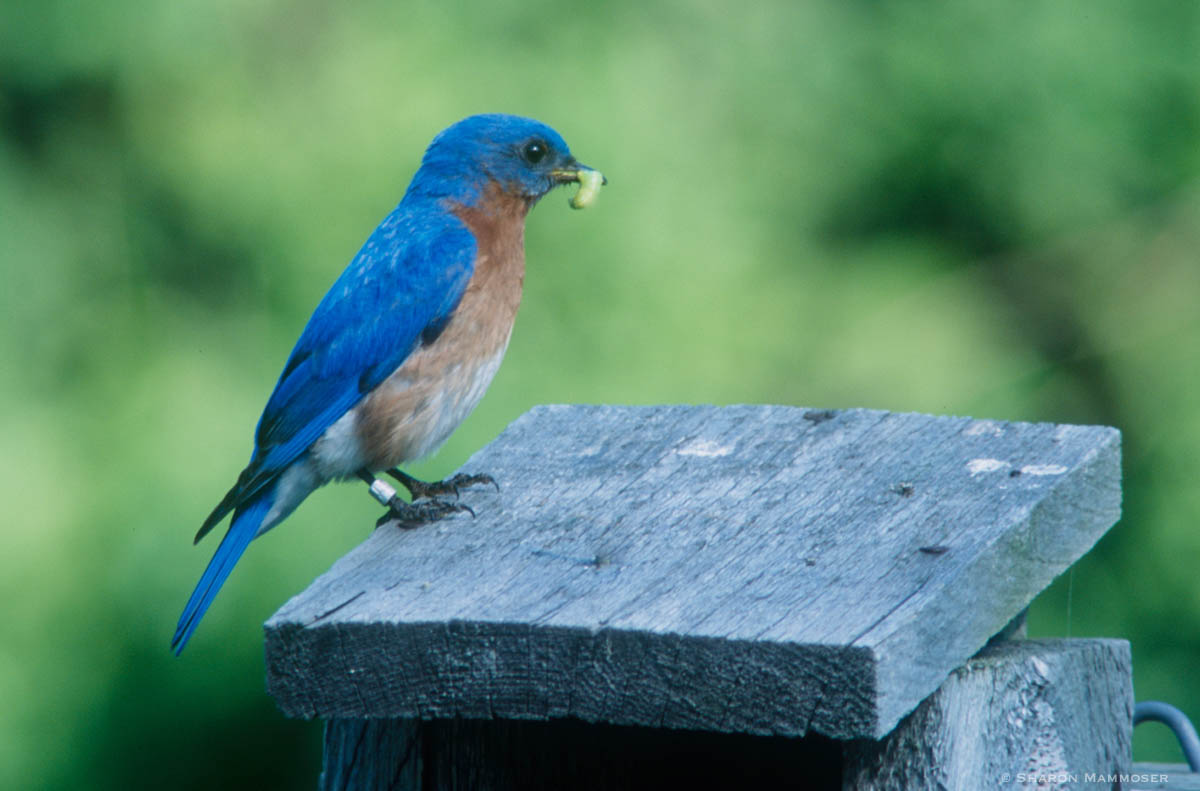
What’s even more remarkable is that these structural colors can appear to change depending on the angle of light and viewing perspective, giving some birds an almost metallic or shimmering appearance. This trait not only enhances visual appeal during courtship rituals but may also help in species recognition and camouflage depending on the lighting environment. Structural coloration represents an evolutionary marvel where physics meets biology to create living rainbows.”
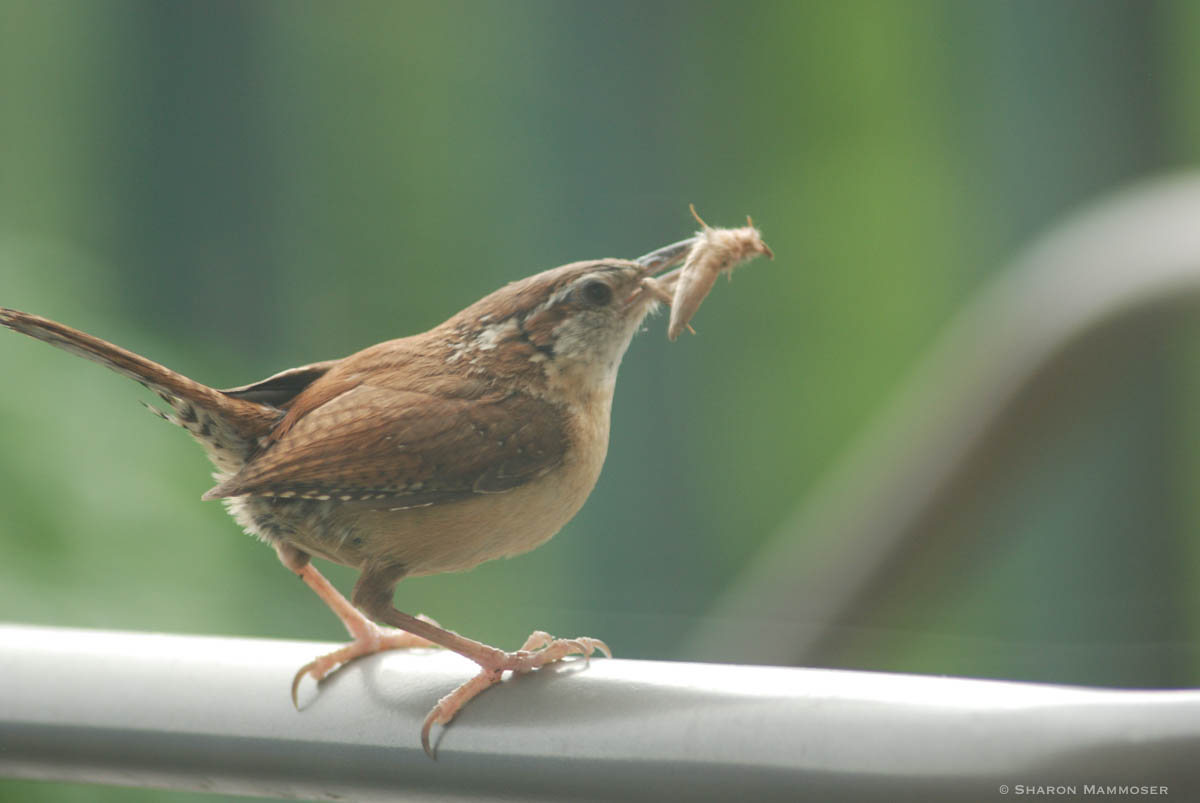
6. Most songbirds, 96%, require insects, especially caterpillars, when raising their babies. You may see these same birds–like chickadees, cardinals, wrens, and tufted titmice, at your seed feeders, but when they are raising their chicks, they must have nutrient-dense insects like caterpillars. One chickadee pair needs between 6000-9000 caterpillars to raise one brood of 5 chicks! That’s why it’s so important that our yards are full of caterpillars and other insects! (Check out these ten MOTH caterpillars, or these ten BUTTERFLY caterpillars!)
There’s lots more to know about songbirds, but I’ll stop there for now. What would you add?