
Have you ever traveled to a foreign country and paid to have your photo taken with a baby animal, such as a lion, or a parrot, a scarlet macaw, or other animal? Have you ever seen this take place in your travels? Have you ever paid to ride a camel, touch or bathe and elephant, or sit beside a baby lion?
Did you know that these animals are often kept in horrendous conditions? That they are often separated from their mothers and often their siblings, held in small cages much of the time? They may be drugged, and beaten in order to “train” them. They might have no social interaction with others of their kind. They may have been stolen out of the wild, taken from their families– all so tourists can take a selfie with them. What?! I had no idea!
According to the World Atlas, “In South Africa, there are more captive than wild lions. Only 32% of the country’s lion population lives in free-roaming wildlife reserves. Lions are bred specifically to be held captive for commercial use, to be used as photo opportunities for tourists wanting a ‘once in a lifetime experience’. Lion cubs are often drugged in order for tourists to take photos with them, but when they become adults, they are too dangerous to have contact with humans and are either euthanized or kept in crowded captive conditions, sold to inhumane zoos or lion farms. These holding facilities have a severe impact on lions’ well-being and have no conservation benefit.”
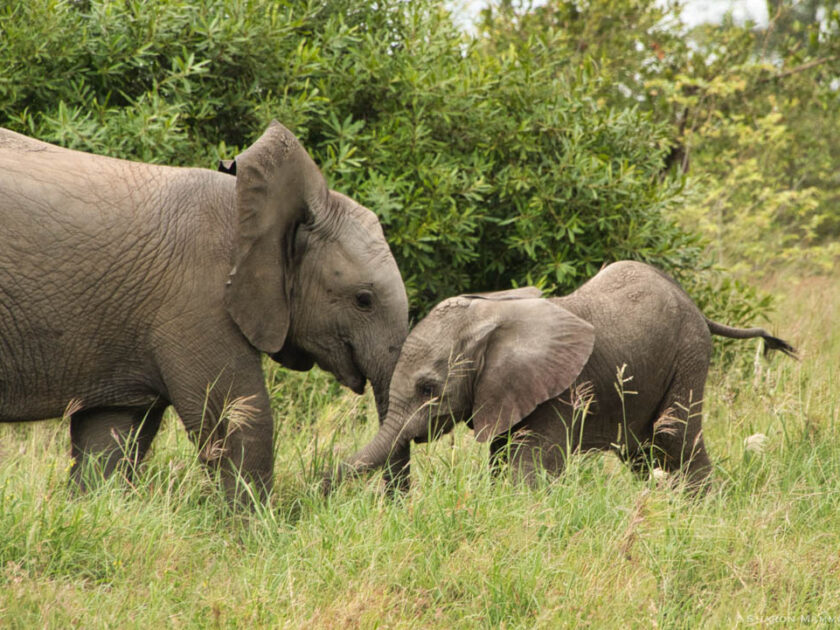
According to Sustainable International Travel.org, “Interactive elephant experiences like riding, bathing, and posing for selfies may appear benign, but there is often a history of harm behind these activities. World Animal Protection’s Senior Campaigns Manager, Liz Cabrera Holtz, warns that “making elephants engage in unnatural activities, like being bathed by a human or being painted on, requires intensive abusive training.
It is estimated that 75% of captive elephants used for tourism experiences across Asia have been captured from the wild. Wild animals can be “broken” into submission but will not become domesticated in their lifetimes. Although the capture of wild elephants is now illegal in many countries, the practice continues in some regions due to demand, especially for the tourism sector.”

When tourists pay for their photo to be taken with these animals, or to touch or interact with these animals, they are supporting this cruel industry. If all tourists were to refuse these things, the industry would die.
Every day we can make choices for the world we want to have. Next time you see this during your travels, refuse to pay and support this cruel industry! It’s an easy choice to make when you consider the point of view of the animal being abused. Every choice matters, and every person CAN make a difference.