

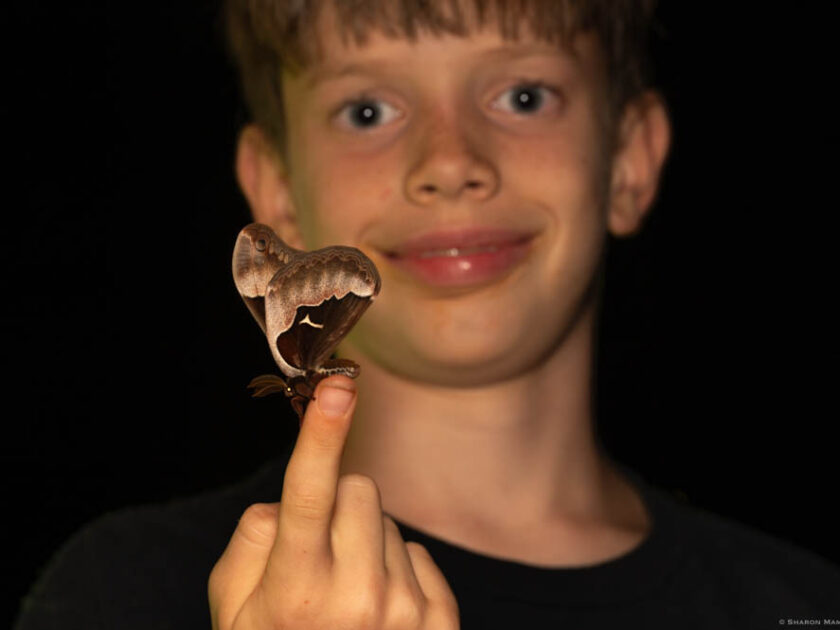
Every year during the last full week of July, people from all over the world participate in an international citizen science initiative that invites participants to document moth species that they observe. What began in 2012 in New Jersey as a local event led by two moth enthusiasts has now grown to a global event spanning more than 90 countries. Volunteers who are passionate about sharing the beauty, diversity and ecological importance of moths come together not only to provide data to scientists, but also to spark an interest in these largely unknown–and unappreciated, creatures.
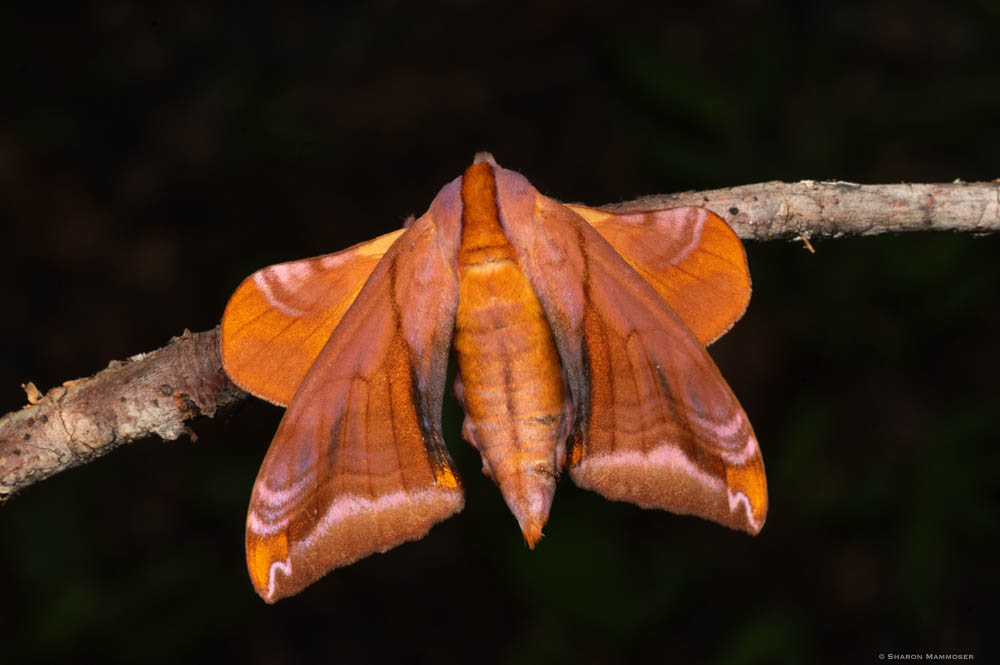
If you’re asking yourself why on earth we should care about moths the answer is simple: If we care about birds and the health of ecosystems everywhere, then we must also care about moths because they are the foundation of a thriving food chain. Most people are shocked to learn that 96% of our songbirds REQUIRE insects, and especially, caterpillars of moths and butterflies, when raising their babies. Even if these birds visit your seed feeders, they must have caterpillars and other insects for their growing chicks. So if you want to help the birds, you could start by helping the moths, and their caterpillars. What better way to get started than seeing the moths in action?
Perhaps you’re wondering how one goes about studying moths, an insect that is active after dark. It’s a fair question. One way is by simply turning on an outdoor light and then checking around it throughout the night to see who visits. Download an app like Seek, or iNaturalist that will help with identification and allow you to share your photos. It’s okay if you don’t know the names of the moths you see as uploading your photos will be enough to help scientists.
Another way to attract moths to your yard is to mix up a solution that you “paint” onto a tree at eye level. Mix a ripe banana (kids will love to smash the fruit), some stale beer (dark beers are better) or active dry yeast mixed with water. To this you can add any other fermented fruit such as watermelon or pears. Put this covered in the fridge for several days, then when ready, take it out and apply it with a paintbrush to a tree in your yard. Many moths may not show up until after midnight, but check frequently starting at dark as you never know who might stop by.
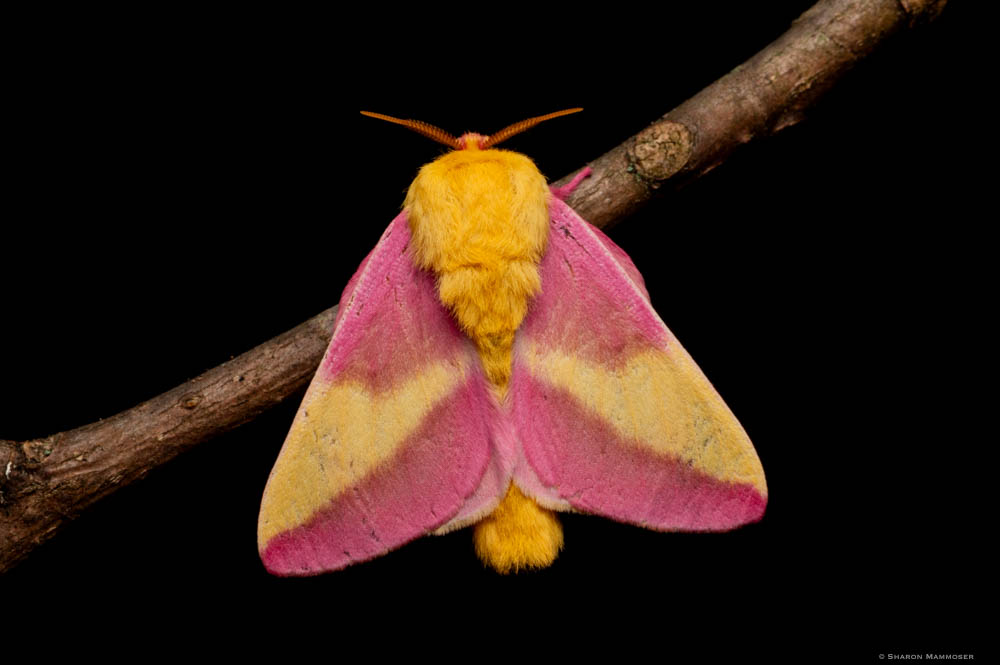
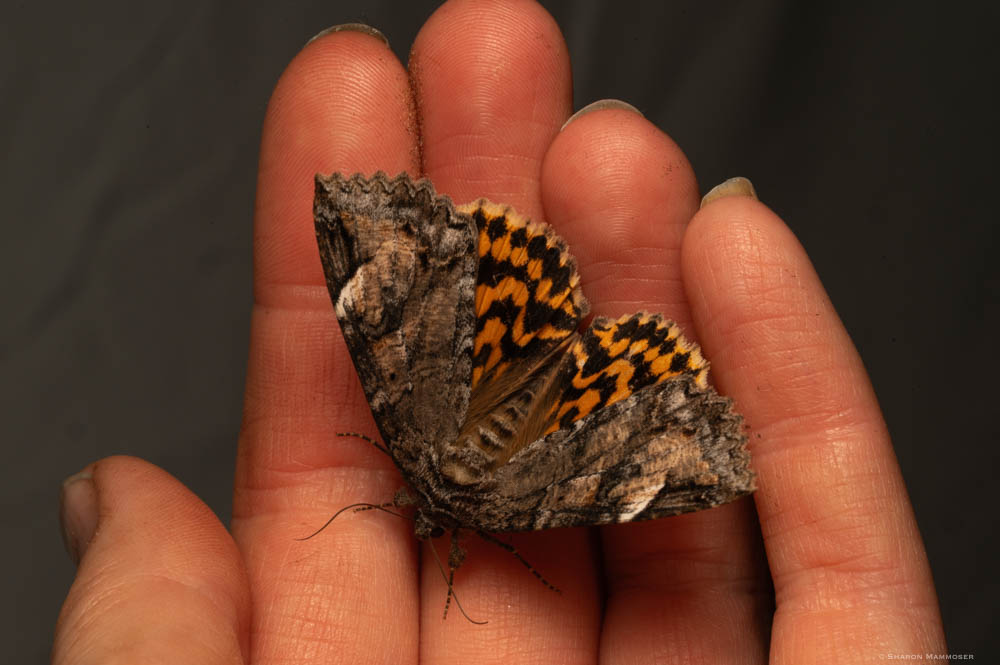
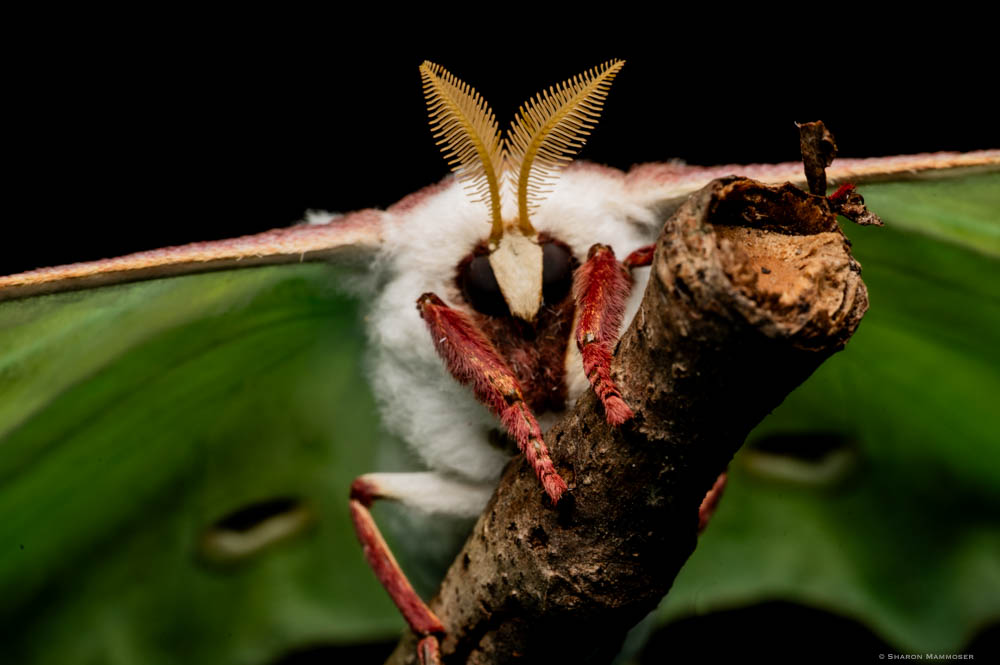
Studying moths is fun and surprising, and I’ll admit, a bit addictive. Okay, maybe VERY addictive, especially if you are a nature nerd like me. Four years ago I started observing moths in my yard once a month and am still going strong. It is one of the best guarantees of joy. I always say it’s like Christmas– I never know what I’m going to get, but I know it’s going to be AMAZING! Part of the attraction of mothing is the anticipation of who might visit–it’s a totally unique experience that is not like anything most people have ever done. Though there are 11,000 species of moths in North America, and only 700 butterflies, most people know nothing about these nocturnal wonders, mistakenly thinking all moths are white, drab, and dull. In reality the diversity is staggering–there are moths of every color, shape and size, moths that hide false eyes, moths that flash bright colors, moths with antennae so feathery they resemble art, and moths so streamlined they look like mini jets. Worldwide there are roughly TEN moths for every ONE butterfly!

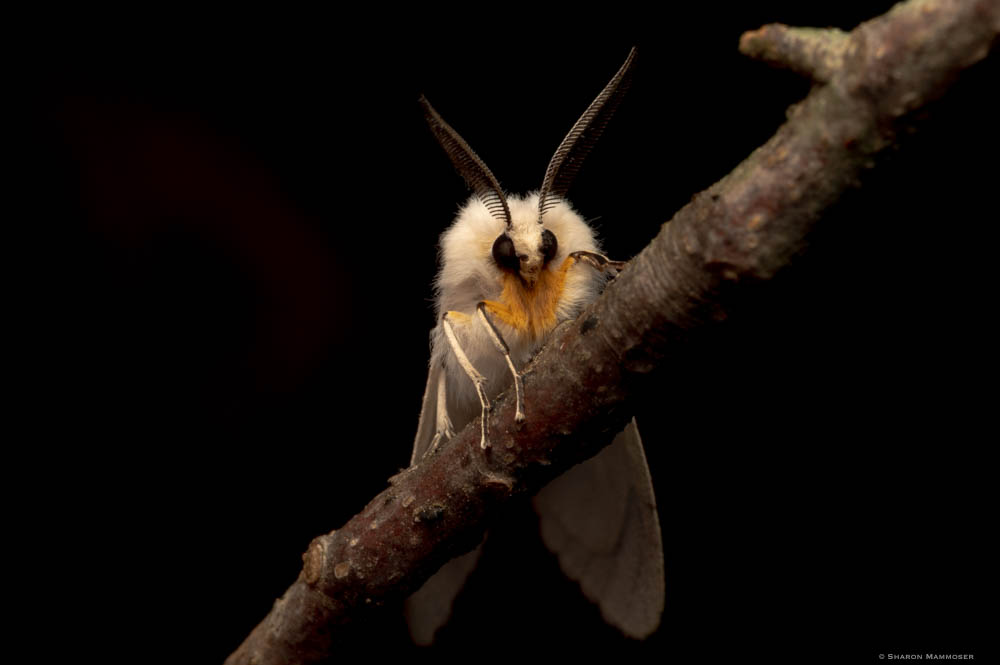
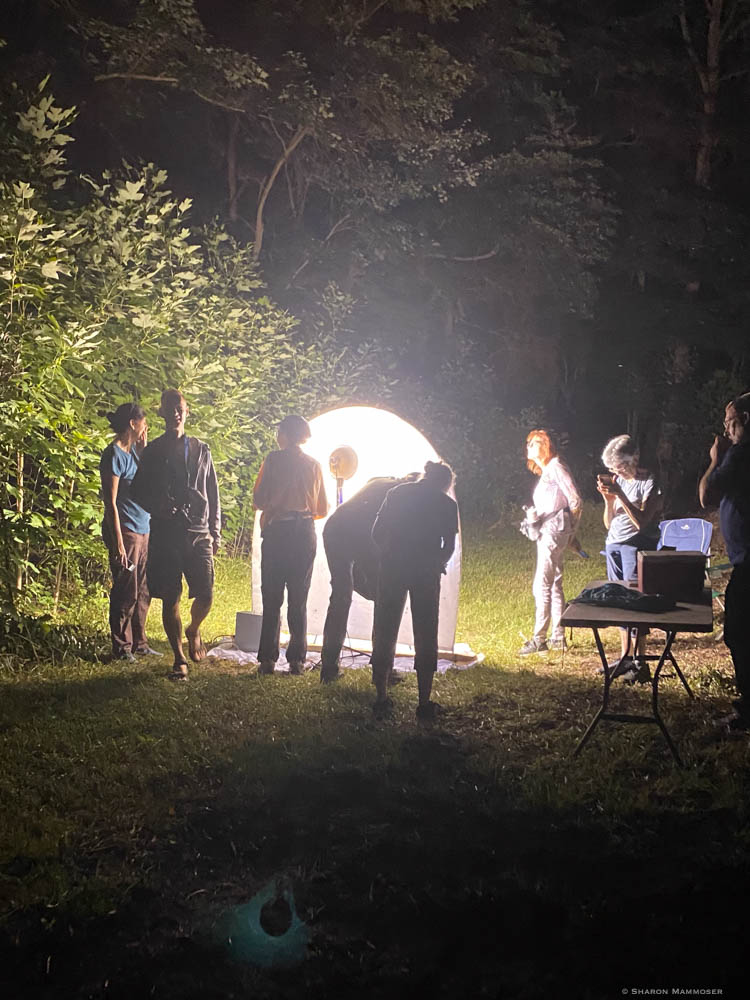
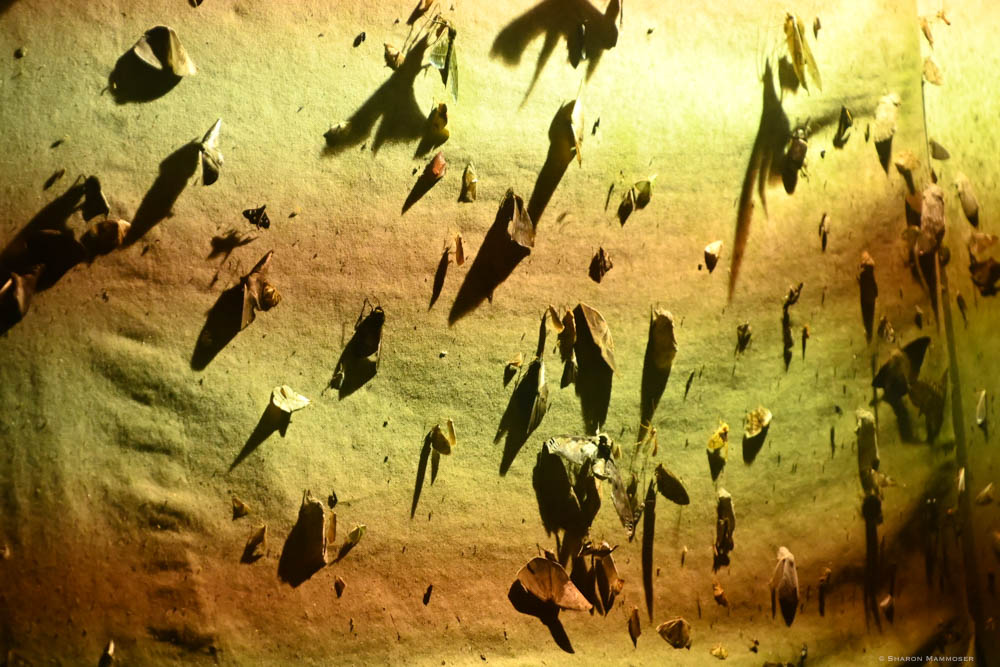
If you think it would be interesting to get out and join other moth-ers, participate in a worldwide initiative, and learn together, there are lots of mothing events happening across the globe, including in our little corner of western NC. Many of these events will feature more elaborate “mothing stations” than the average homeowner can create. Various lights, such as mercury vapor or ultraviolet lights, are directed onto white sheets. For reasons scientists still can’t explain, moths arrive at these lights, land on the sheets, and become still. For curious humans present, these moths offer the perfect opportunity for looking closely and seeing them with new eyes. And talk about a perfect photographic opportunity–you’ll probably never find a more cooperative live subject.
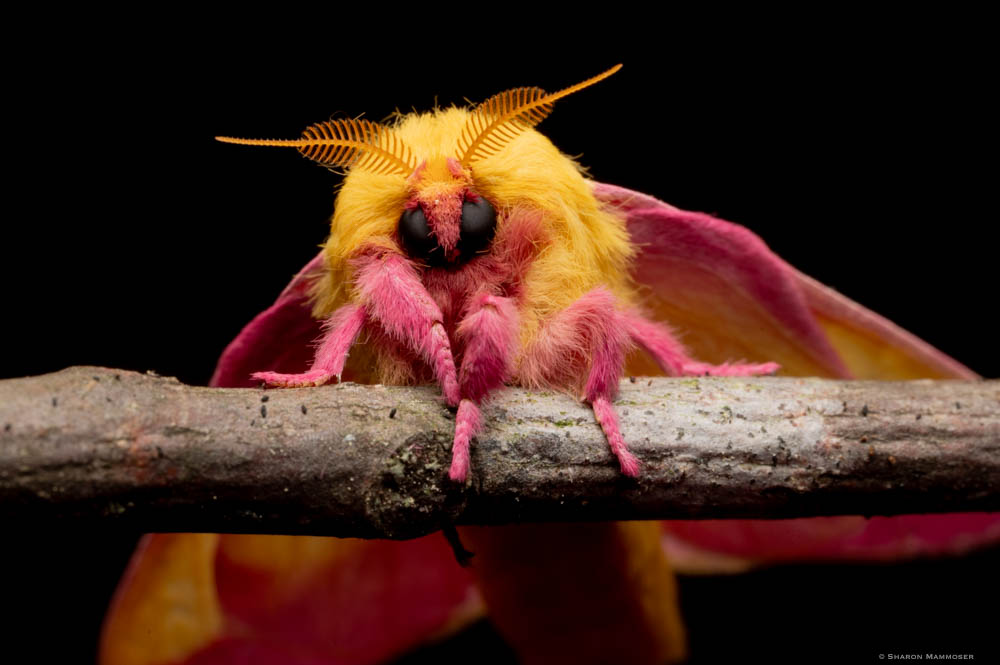
On my wooded property in Arden, I’ll be hosting two Marvelous Moth events to join in National Moth Week-– one on Thursday, July 24th and the other on Saturday, July 26th. For 30 minutes before dark, I’ll entertain participants with funny stories, spectacular moth photos, and facts about moths that will have you seeing them in a whole new light. Plus I’ll share some tips on how to photograph moths. Then at dark we’ll begin the adventure, walking the gravel driveway to visit three mothing stations that I’ll have set up. After the orientation, guests will be free to explore for however long they desire. I can’t guarantee what moths might show up, but I can guarantee that you’ll be blown away by the beauty and diversity of these misunderstood creatures of the night. Each evening tour is limited to 16 participants, tickets cost just $10, and the address will be shared after reserving your spot. Come join us! You don’t need to know anything about moths, and you don’t need to bring anything other than your sense of curiosity. Or, you can host your own moth ball and celebrate National Moth Week at your house. Either way, Happy Mothing!
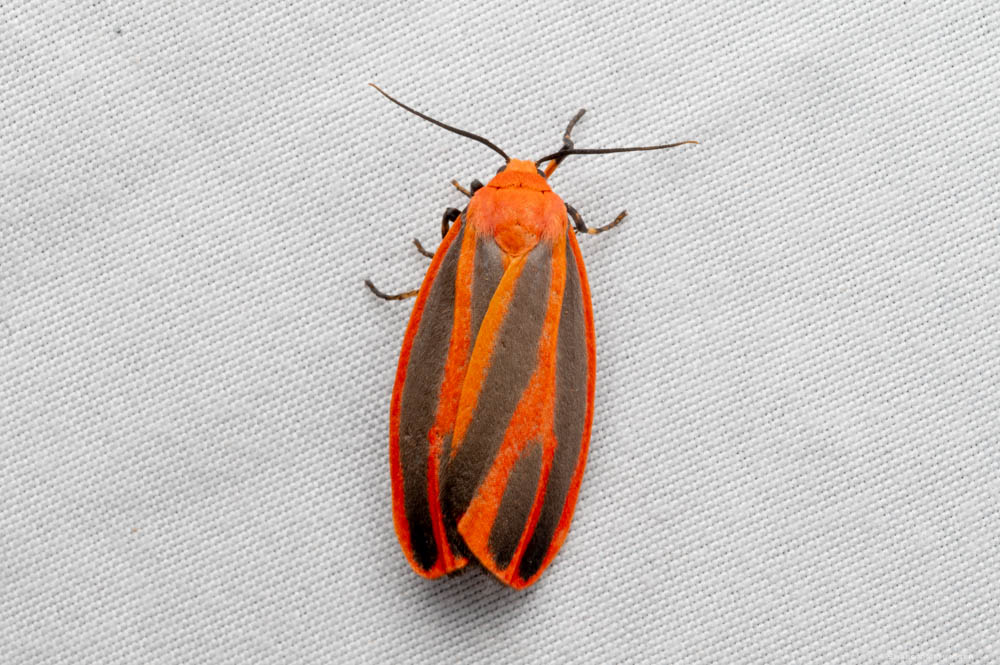
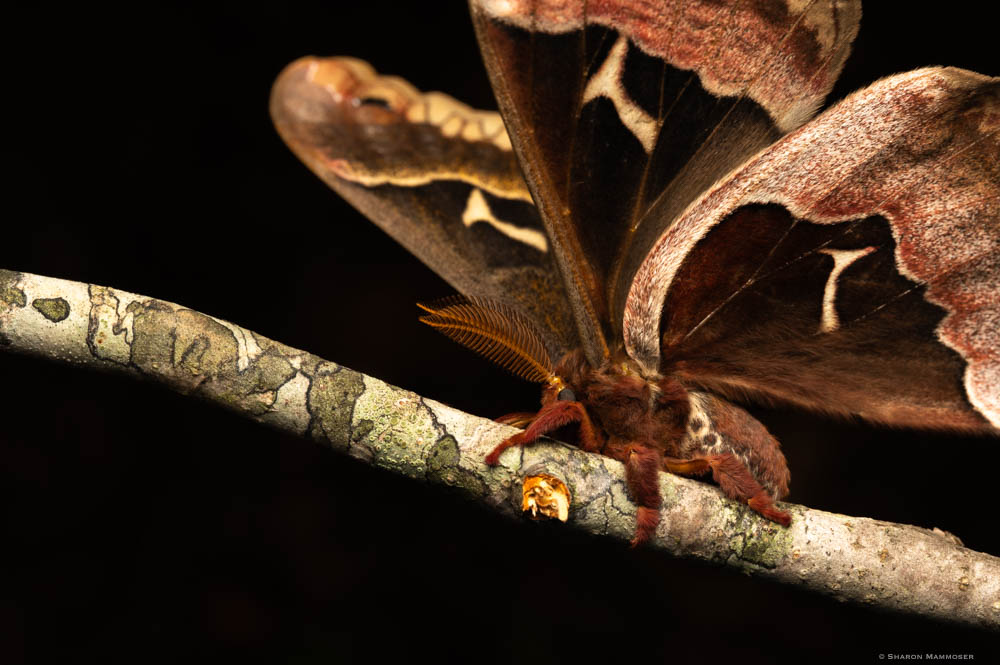
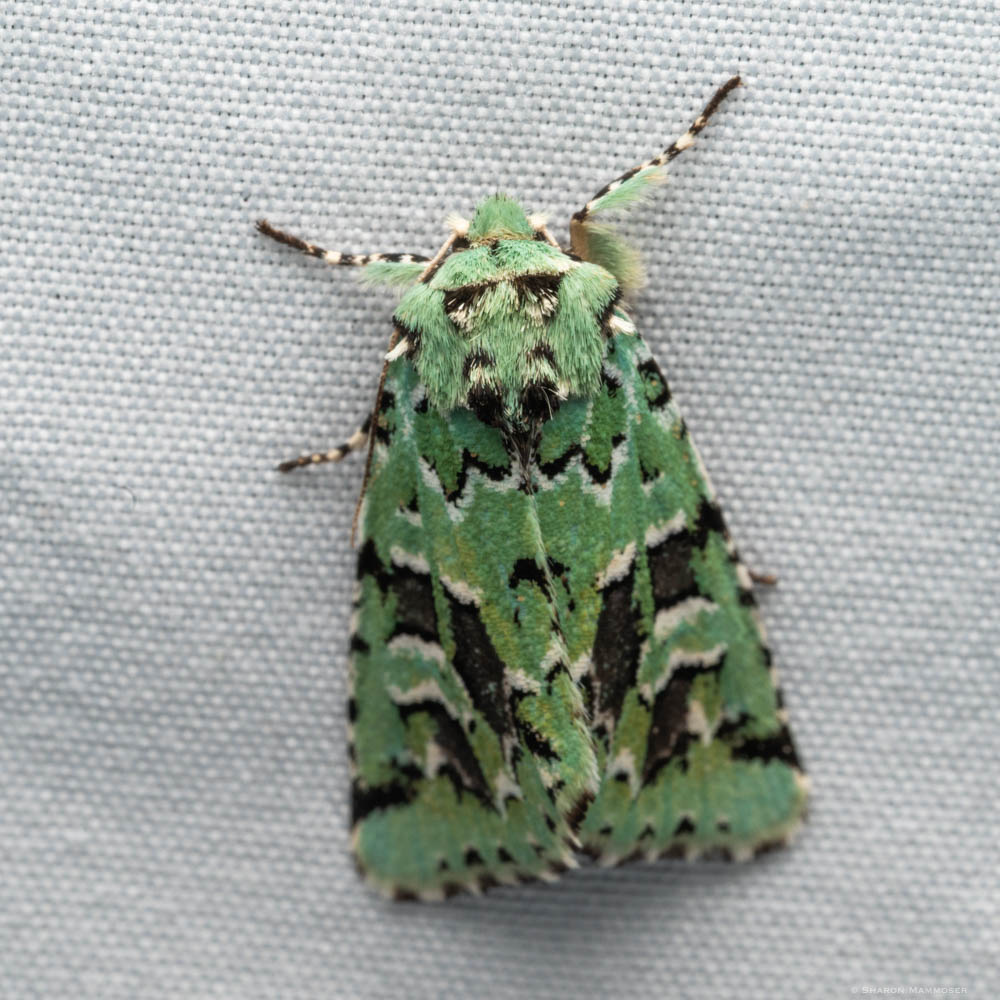
Check out some more moth photos that I’ve taken through the years.