

Every year on Earth Day there are a multitude of articles about how you can “help” or “save” our great planet. The list is predictable, full of things that people can easily do. These things don’t require much in the way of a sacrifice: Recycle. Reduce waste. Reuse stuff. Compost. Take your own bags to the grocery store. Drive less. Buy local… All of these suggestions are fine and sure, every little bit helps. I’m not denying that. But in the past year I have learned that we are all missing the single most impactful thing each one of us can do to truly make a difference. Now that I know this, it’s impossible not to get angry–like Greta Thunberg— at all of the sites, people, and organizations that claim to care about our earth but who never mention this impactful change. Even though science has clearly proven it and many scientists stand behind it, still no one is talking about it. Not the Sierra Club, or National Geographic, or any of the other big and influential environmental groups. Know why?Because many of these people and organizations have very powerful connections with influential groups who stand the most to lose from this information becoming widespread. In addition, this impactful change is not easy, and it’s not convenient, and it definitely is not part of our current paradigm. But is that a reason to not change? Is that a reason to keep on doing what we’ve been doing, even though science has proven that there IS a better way?
Sometimes we feel powerless as we watch things happening that are out of our control. Our leaders make decisions that negatively impact us and the things we love. Our Planet is warming, species are going extinct and more and more habitat is being lost to development. Some days it feels like a challenge just to remain upright, and feeling hopeful seems impossible. But before we go down the rabbit hole of despair, let’s remember this quote by the Dalai Lama,” If you think you are too small to make a difference, try sleeping with a mosquito.”
Every single day, multiple times per day we VOTE with our actions and our money. Each one of us can make changes so that our actions align with our morals, values and beliefs. Is your money supporting practices you know deep down are wrong?
Think of what our world could be like if everyone leaned into their power to Be the change!
Here are 11 Ways YOU can make a difference for Mother Earth, including the one I was talking about in the first paragraph– THE most impactful way to make a difference, below, coming in at number 5. Skip ahead if you want to see what I’m talking about!
Why not start today?
1.Shrink your lawn with native plants. The quickest way to destroy an ecosystem is to replace it with lawn. A shocking 40 million acres in the US are covered with green grass, creating a vast monoculture that supports zero wildlife. Its only value is that it “looks nice” and allows homeowners to fit in with their neighbors. Let’s buck this trend and call on our intelligence to make choices that benefit nature instead. Replace some of your lawn with habitat islands, choosing a variety of native plants of all shapes and sizes that give something back to our fellow earthlings. Add native plants to your front or back garden.
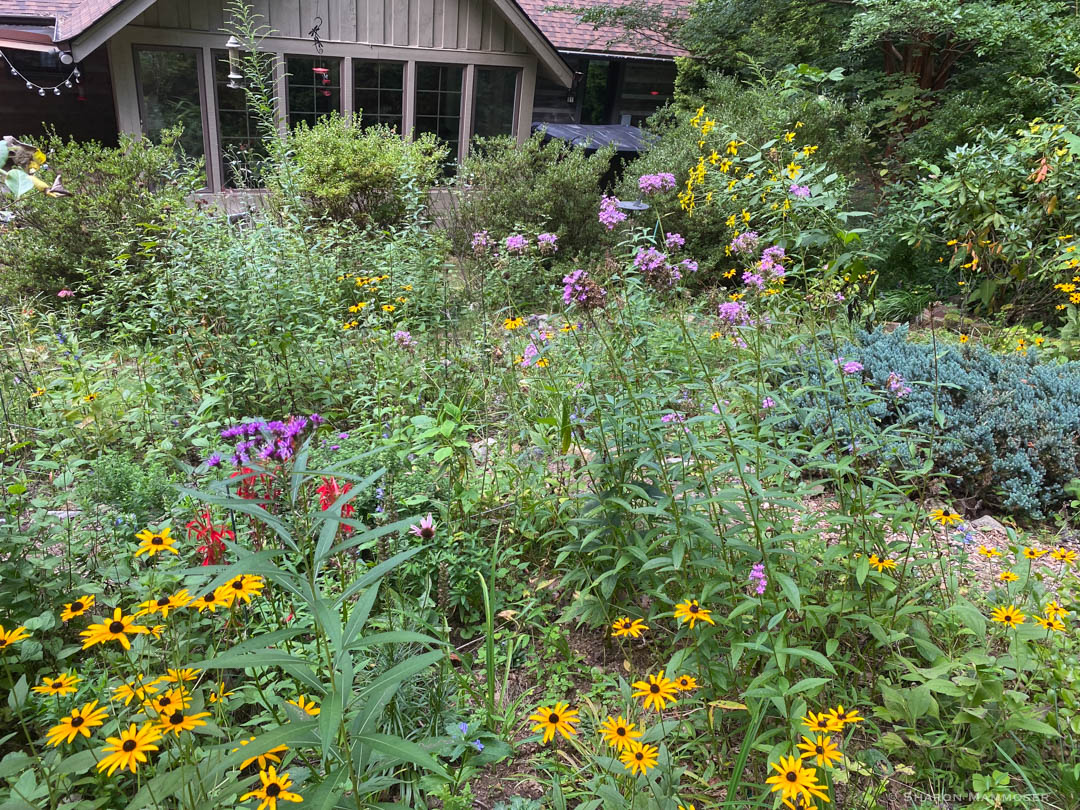
2.Plant keystone species. Like the rocks in the middle of an arch that hold the whole thing together, keystone species play a giant role in local ecosystems. When those species disappear, many others will follow suit. By choosing to put keystone species in your yard you can help support more biodiversity. Oak, willow and maple are keystone trees. Adding a handful of trees to your yard is an easy way to help Mother Nature. Trees capture carbon from the atmosphere, protect and fertilize soils, and shelter many birds, insects and other animals. Goldenrod, aster and coneflower are keystone perennials. To find a keystone species that’s native to your yard, check out Homegrownnationalpark.com.
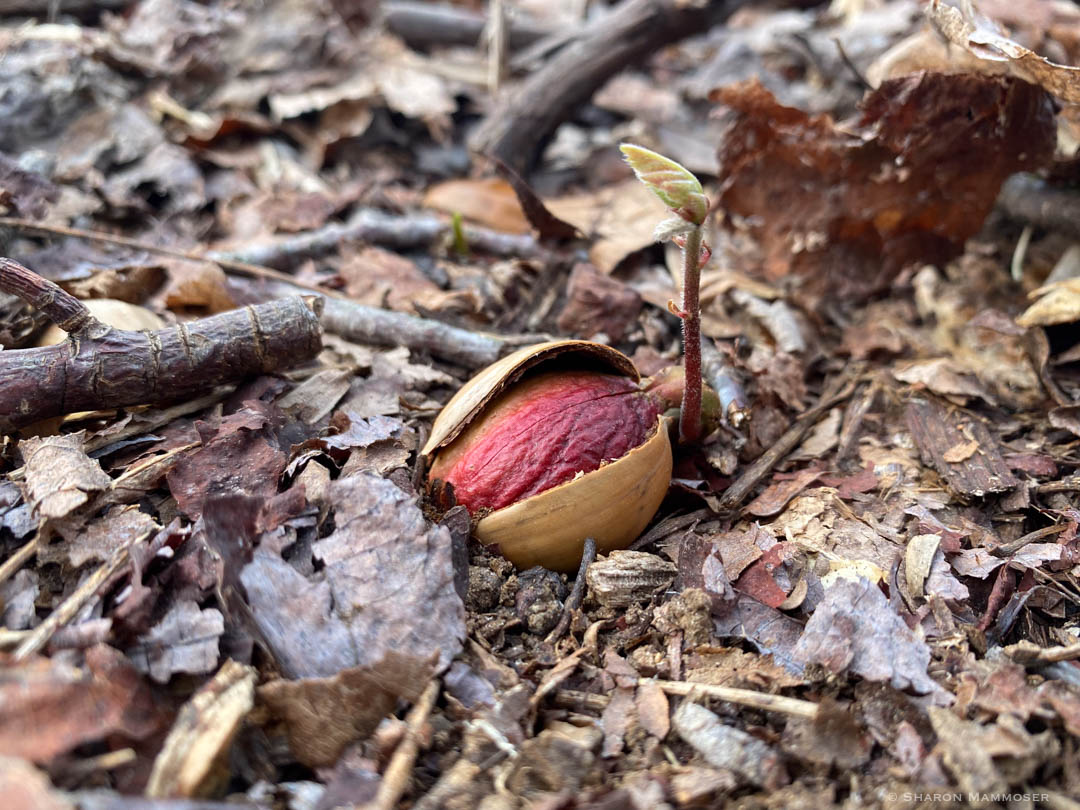
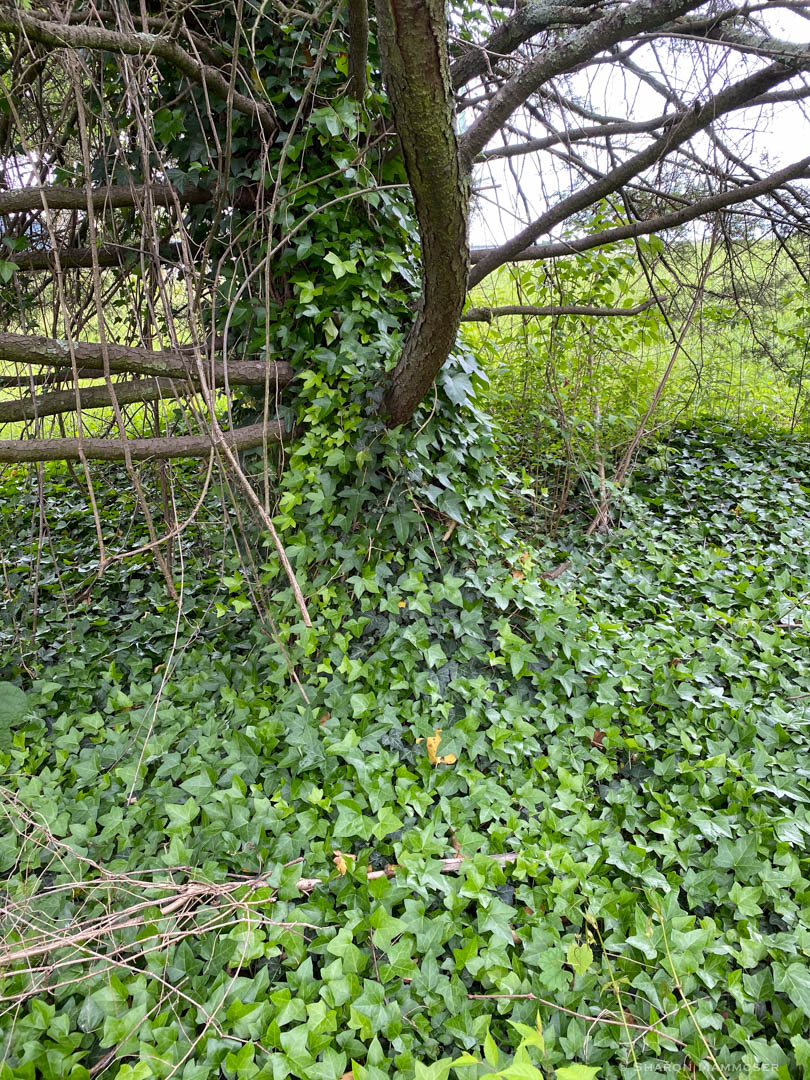
3.Eliminate Invasives. Just about every single nursery that you visit offers them, and every single landscaper uses them. But these are not good reasons to continue buying them and putting them in our yards when we now know the negative consequences. Invasives choke out our native plants, they spread unchecked into wild spaces and our neighbors’ yards, and they offer little or nothing to insects and other wildlife. It’s 2025, and we know better! Get rid of these invasive bully plants and replace them with native plants that have high wildlife value. Let’s give native plants a chance!
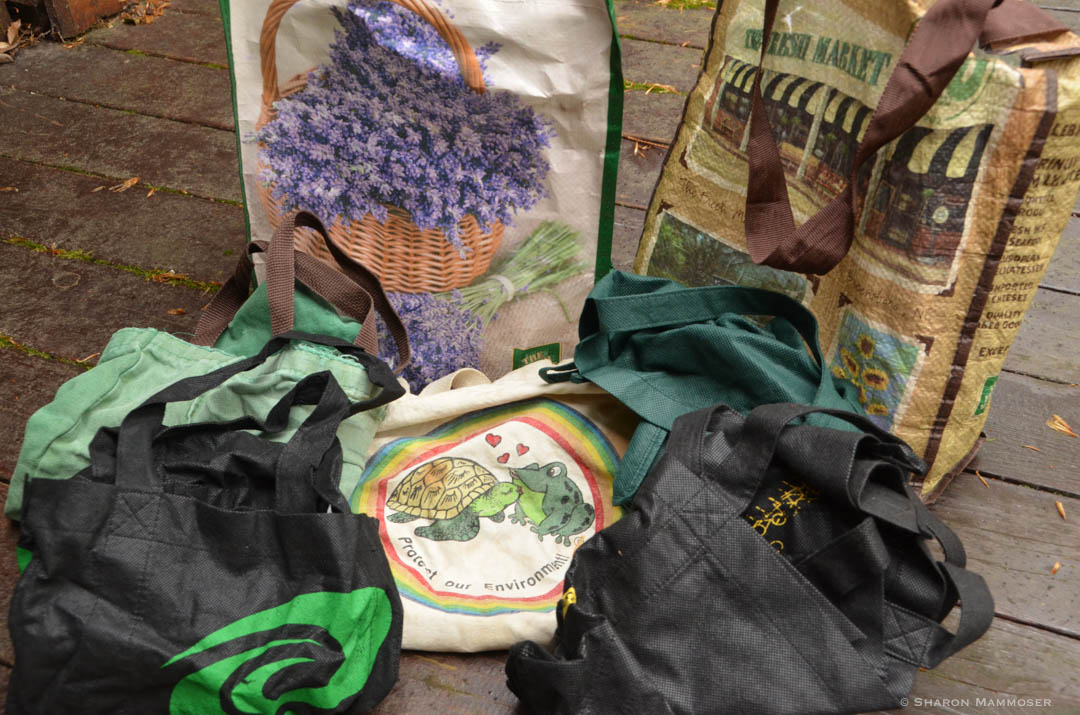
4. Be mindful of single-use plastics. You have the power to vote everyday with the products you buy and support. When you’re standing in the store considering these products, pay attention to the packaging. Is there a way to get the same item without the packaging? Grocery stores often try to make things convenient for consumers but in doing so add plastic. Pick the single bell pepper, sweet potato or cucumber instead of the ones wrapped in plastic and sitting on styrofoam. Choose a shampoo bar or a bar of soap instead of a liquid in a plastic container. Bring your own straw and Tupperware for takeouts to restaurants. Use cloth bags at grocery stores. With a little bit of thought, many products can be purchased without the extraneous plastic packaging.
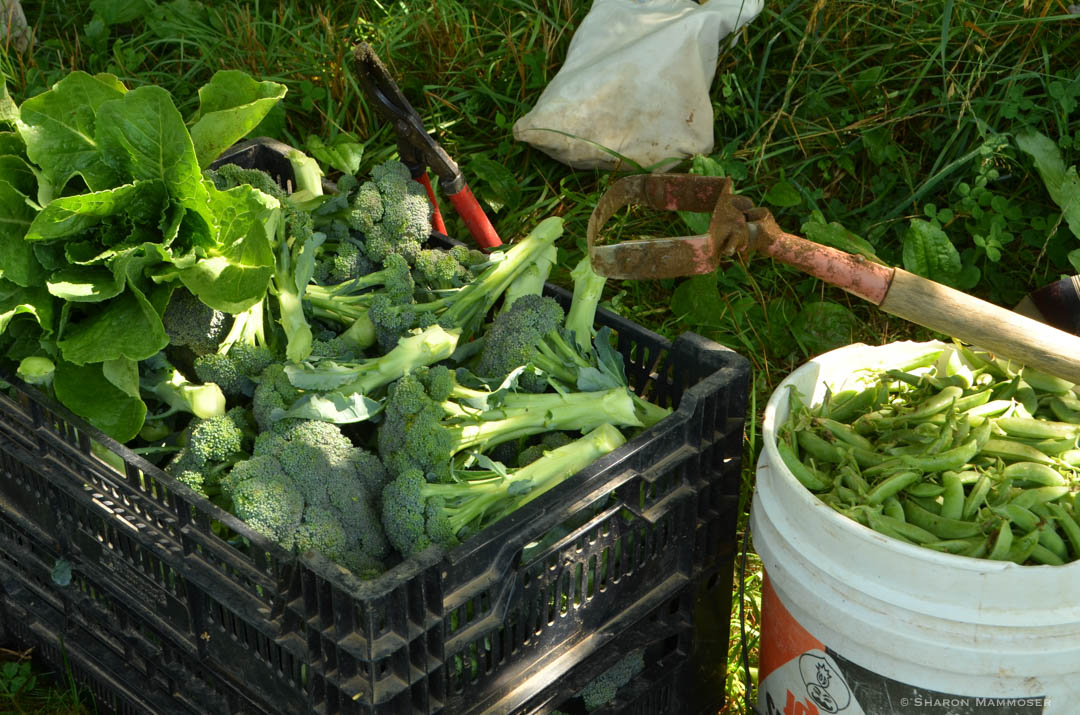
5.Eliminate or reduce your consumption of animal and dairy products. Jane Goodall, Greta Thunberg, David Attenborough, and others are sounding the alarm– our EATING HABITATS are fueling the destruction of our Planet. Researchers at the University of Oxford found that “Since 1970, humans have wiped out 60% of animal populations. The three leading causes ALL relate to the consumption of animals: animal agriculture, eating wild animals, and fishing.”
Animal agriculture is extremely destructive to our planet and is THE driving contributor to greenhouse gas emissions, biodiversity loss, species extinction, deforestation, water scarcity, pollution, loss of indigenous peoples, and risks of antibiotic resistance and pandemics.
Researchers at the University of Oxford conducted a study looking at nearly 40,000 farms in 119 countries.
Afterwards they concluded, “The most impactful way to reduce your impact on Planet Earth is to adopt a vegan diet…it is far bigger than cutting down on your flights, or buying an electric car.”
Switching to a vegan diet produces 70% less CO2, reduces wildlife destruction by 60%, and uses just one third of the land compared to a meat-based diet. A plant-based diet also uses 50% less water.
Grazing animals and feed for 92.2 BILLION land animals is an inefficient use of land. An investigation published in June of 2023 found that in a six-year time frame, beef producers cut down 800 MILLION TREES in the Amazon rainforest! This was both to raise animals, and crops to feed those animals, which were often exported to other countries. Do we really want our desire for a burger or a steak to be the reason why ancient trees in the Amazon are being cut down? Are people aware that the Amazon is literally the LUNGS of the planet? Farm animals now make up most of the world’s animal population, about 60%, while wild animals make up just 4%! Is anyone else alarmed by this tiny number? How can we continue on this way and not think there will be consequences?
This planet can provide for human need, but not human greed. –Gandhi
No one wants to be told what to eat or adopt a new paradigm, but the research is clear: If we truly want to Be the Change and we truly LOVE THE EARTH, then adopting a vegan diet is the way to make the most impact. (Read about my journey to becoming vegan here, or why veganism is about LOVE — love for the animals, love for the earth, and love for our bodies and our health.)
6.Turn off your outdoor lights. Many of our wild neighbors, including bats, fireflies, frogs and birds need darkness. Mother Earth designed the perfect balance of half day and have darkness for a reason. Our outdoor lights are wrecking havoc on the natural systems of animals. The solution is simple: turn your lights out at night. Let’s give animals back their darkness!
7.Stop poisoning everything in your yard with pesticides, herbicides and other chemicals. We must learn to accept imperfection. We must understand that having moths and their caterpillars in our yards means we’ll also have more birds. There is no reason we need to continue buying lawn products designed to kill, or paying lawn companies to poison every living thing in our yards just so we can claim a “perfect” lawn. Let’s be smarter!
8.Compost. Food waste creates 10% of global greenhouse gases. Add your food waste to a compost bin instead of the trash can. Not only will you have less garbage, but you’ll be able to return all of those nutrients back to your soil. Even if you don’t have a garden you can still add them to your yard. Spread around trees or shrubs or in another wild area.
9.Recycle Glass, Aluminum, and Paper: It is possible to make twenty recycled cans with the same energy it takes to make just one new one. Every ton of recycled glass saves 9 gallons of the oil used for fuel to produce new glass. It saves trees when you recycle paper and cardboard. Recycling makes sense and isn’t hard to do.
10.Reuse. There’s no rule that says wrapping paper, holiday decorations, bows, and tags can’t be used again and again. Clothing can be repaired or altered rather than throwing it away. We can reuse jars for leftovers. We can reuse packing peanuts and bubble wrap. The list is endless and it’s not hard to do. Let’s make it normal to use things more than once.
11. Do not let your cat (or dog) roam freely outside. Every year cats kill billions of animals. They kill birds, chipmunks, mice, moles, voles, butterflies, dragonflies, lizards, snakes, frogs, and other small animals. Many people think that since they feed their cats, that must mean their cats don’t need to hunt and kill things outside. But that is very wrong, as was proved by a large study that involved putting cameras on outdoor cats. According to Live Science, “cats kill between 1.4 billion and 3.7 billion birds and between 6.9 billion and 20.7 billion small mammals and other animals.” Does it make sense to you that someone would add native plants to their yard, or a nesting box, or a water feature or bird bath, and then also allow their cat, or cats, to roam free and kill things?
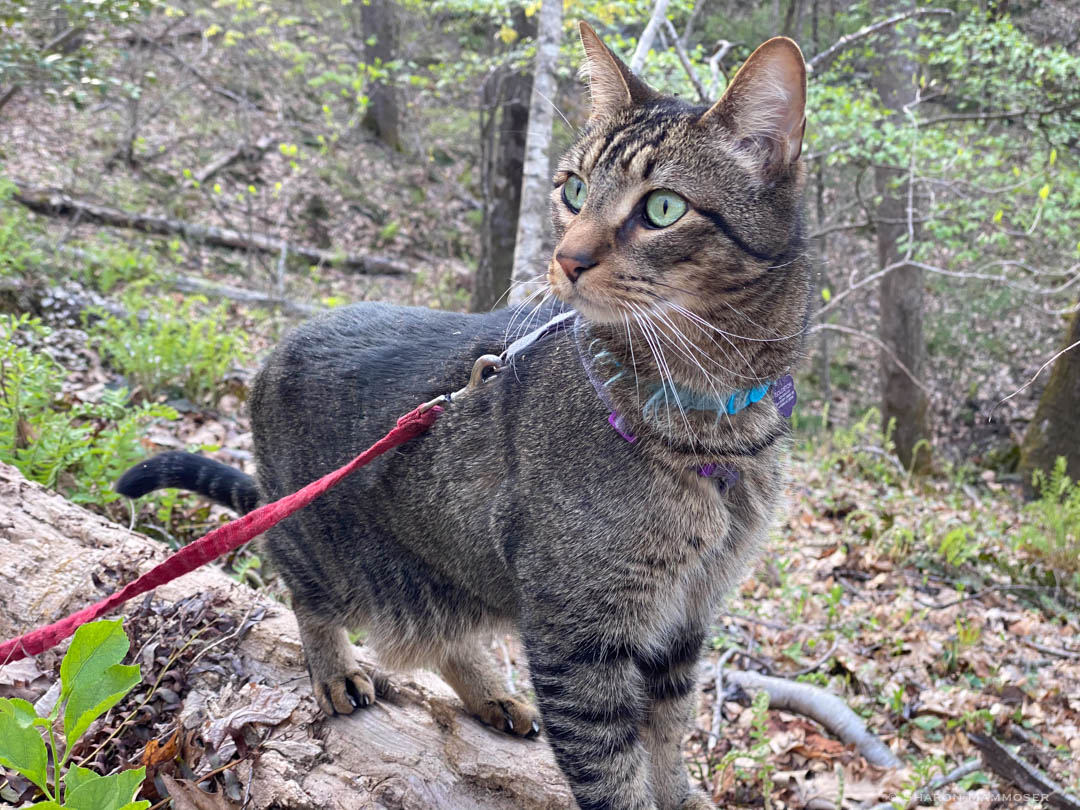
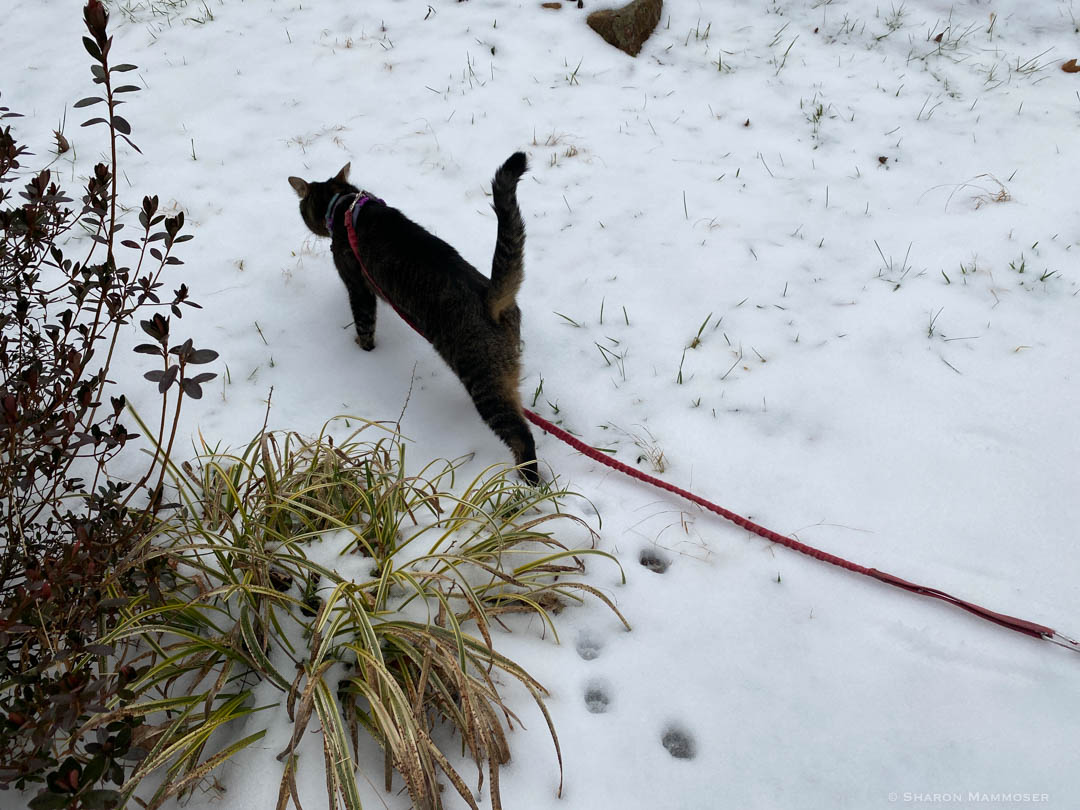
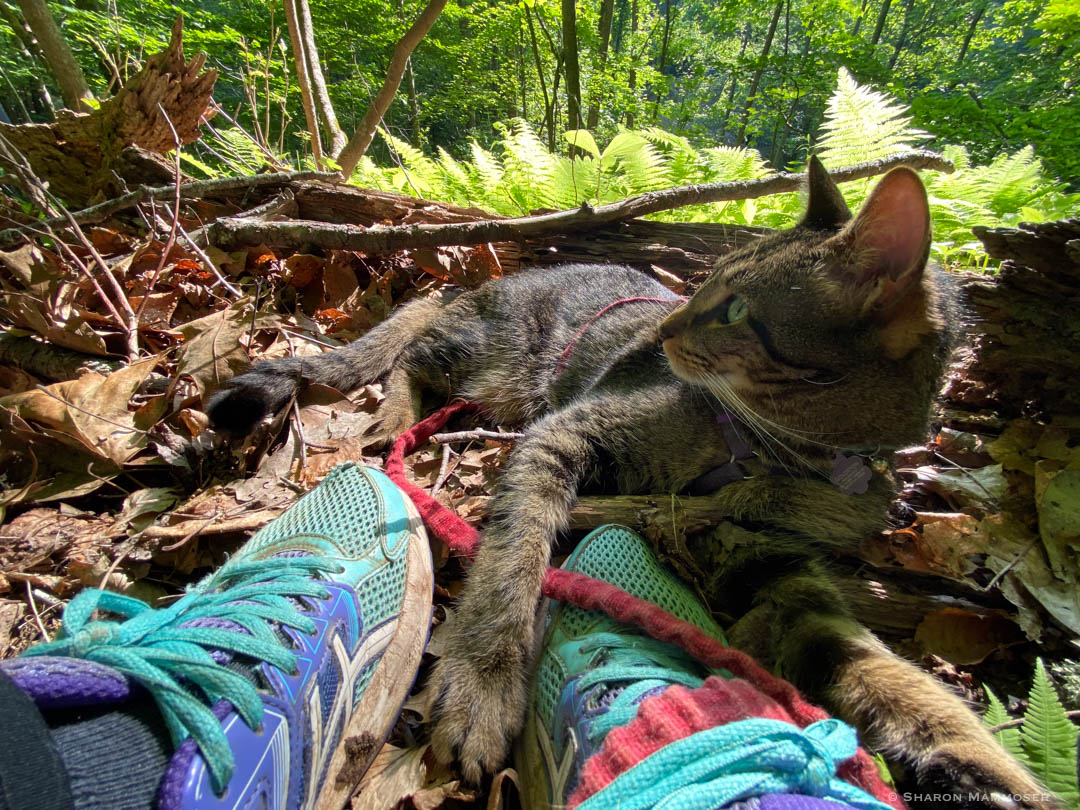
I have two cats and a dog. Years ago after learning about the impact cats can have on outdoor populations of birds and other animals, I knew I could not allow any of them to be unsupervised outside knowing I work hard to make my yard a welcoming habitat for all kinds of animals, large and small. I could not allow my cat Hobbes to roam freely, knowing he would kill the lizards, snakes, birds, butterflies and other animals I attract to my yard. I felt bad at first, thinking it was unfair to deprive my cats of going outside, but then I learned about leash training cats. And now, many years later, my cats go outside on leashes. They take walks with me, just like my dog! It’s a perfect compromise– they get to luxuriate in the sun and explore, and I know they are not killing my outdoor neighbors that I welcome with open arms into my yard.
What thoughts do YOU have? What things might you add?
I’d love to hear from you! Use the comment box below to reply and be part of the conversation.
You are brave for taking on these subjects but it takes brave people to take a stand and actually change the world.
The Earth is about to be destroyed as a place for humans to live. It will survive but without us. It would be a shame if they asked what we did to try to save our species and all we could say is that we reused our grocery bags
Thanks. I love this sentence from you– “If they asked what we did to try and save our species and all we could say is that we reused our grocery bags!” Very good point. Thanks, as always, for reading and following along. I appreciate you!!
Happy Earth Day, Sharon!!💚🌍. This was a great article and I hope the good stats and examples you provided with help others reduce and eliminate animal food products in their lives. Thanks for all your inspiring words! 😊
Hello Lisa!! Happy spring. I hope you are finding time to get outside and see some of the magic! Thanks for reading and for taking time to respond. Let’s talk soon.