

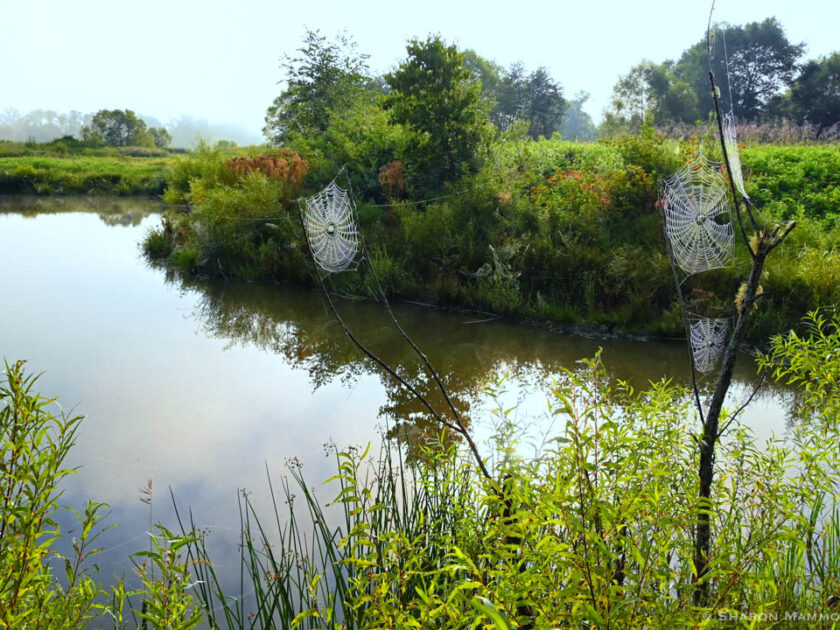
It’s Halloween time again and that means tons of spiders and spider web decorations. It’s hard to go through a day without seeing some reference to spiders, most of it not exactly positive. Spiders are not likely to make many “favorite animals” list. They are the cause of one of the most common phobias in our society which is not hard to explain given their prevalence in popular literature and entertainment.
But much of what we think we know about spiders is actually wrong, based merely on myths and misunderstandings that have been passed along for generations.
Let’s be the generation who learns the truth, the generation who sees the value of spiders and stops killing them just because we are bigger than they are.

Here are some of the most common myths debunked.
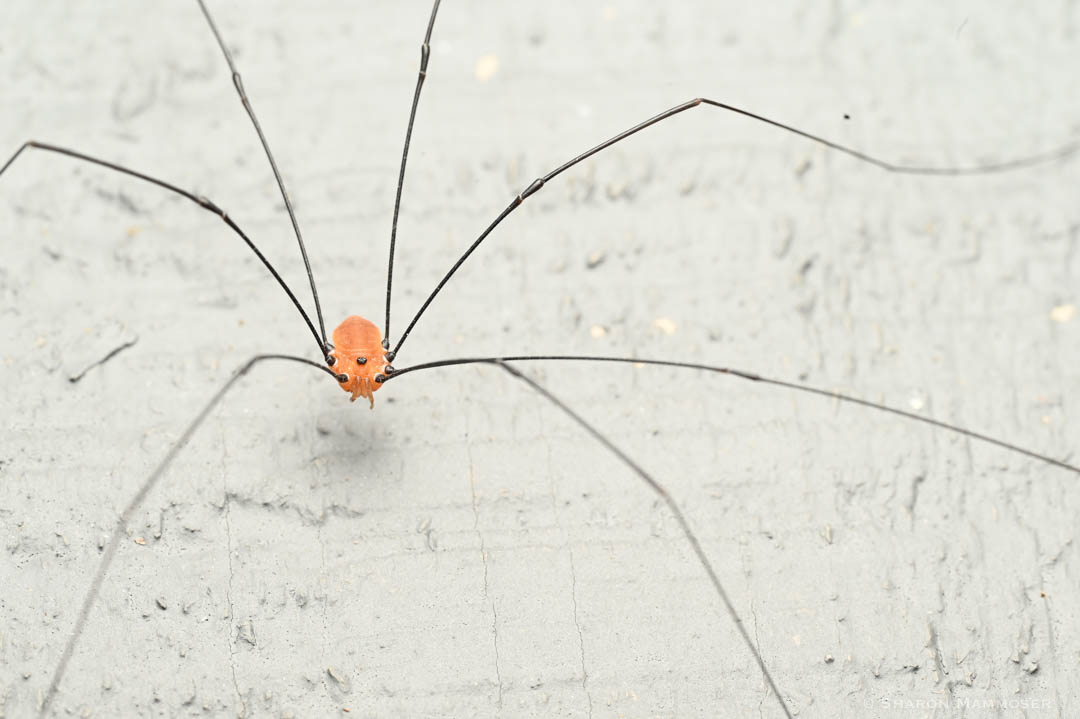
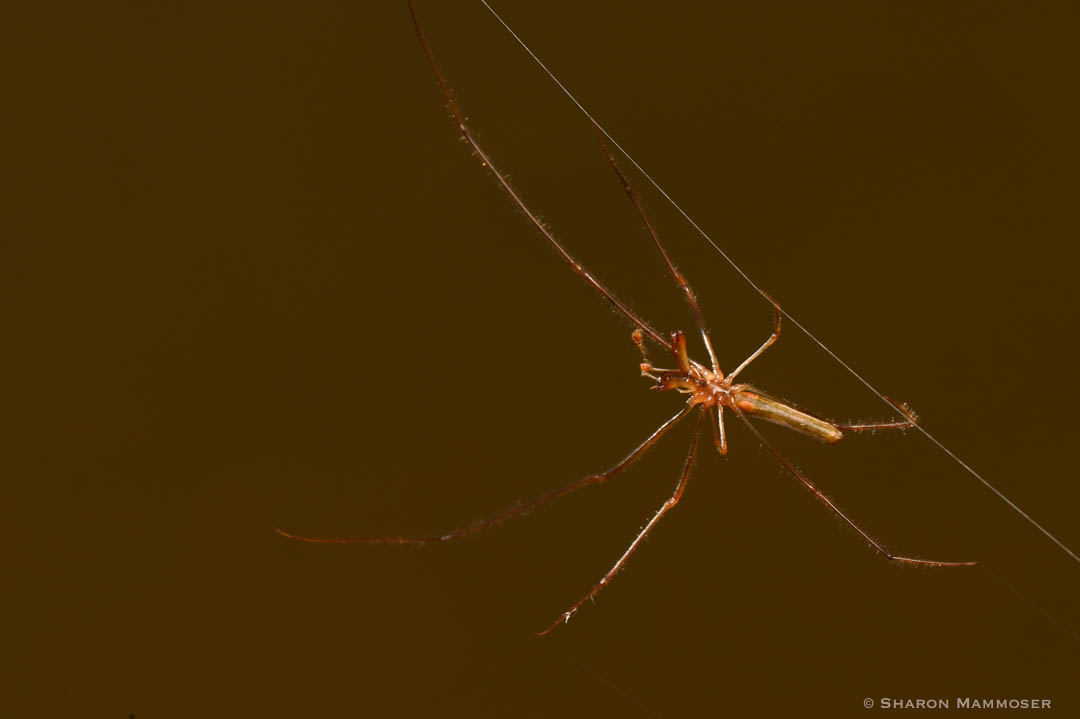
1. Daddy-long-legs are NOT spiders. Like insects, they are related to spiders but unlike spiders they have only ONE body part. In addition, they don’t make silk, have venom or fangs. Daddy-long-legs are in a group of animals called Harvestmen. (To read more on this, Click HERE.)
2 Spiders RARELY BITE– not because they can’t, but because they don’t–to them humans are not viewed as prey and will not bite when contact is made. Touching a spider or getting one on you will not make it bite you! Spiders may bite if they feel threatened or to protect their egg sac, but not simply because they make contact, and want to “get you!” Most of those “mystery” bites that are often attributed to spiders are not from spiders at all. Oddly enough, this myth is perpetuated regularly by the medical professionals who usually have no specific spider training and simply repeat what they’ve heard, which, often times, is nothing more than myths.
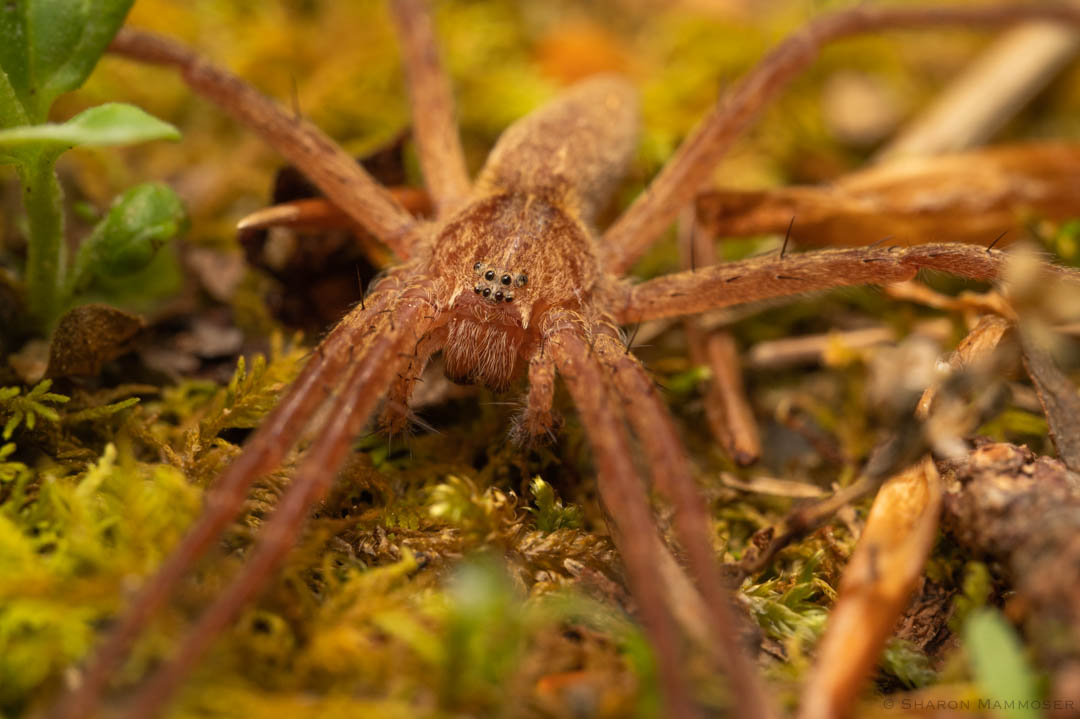
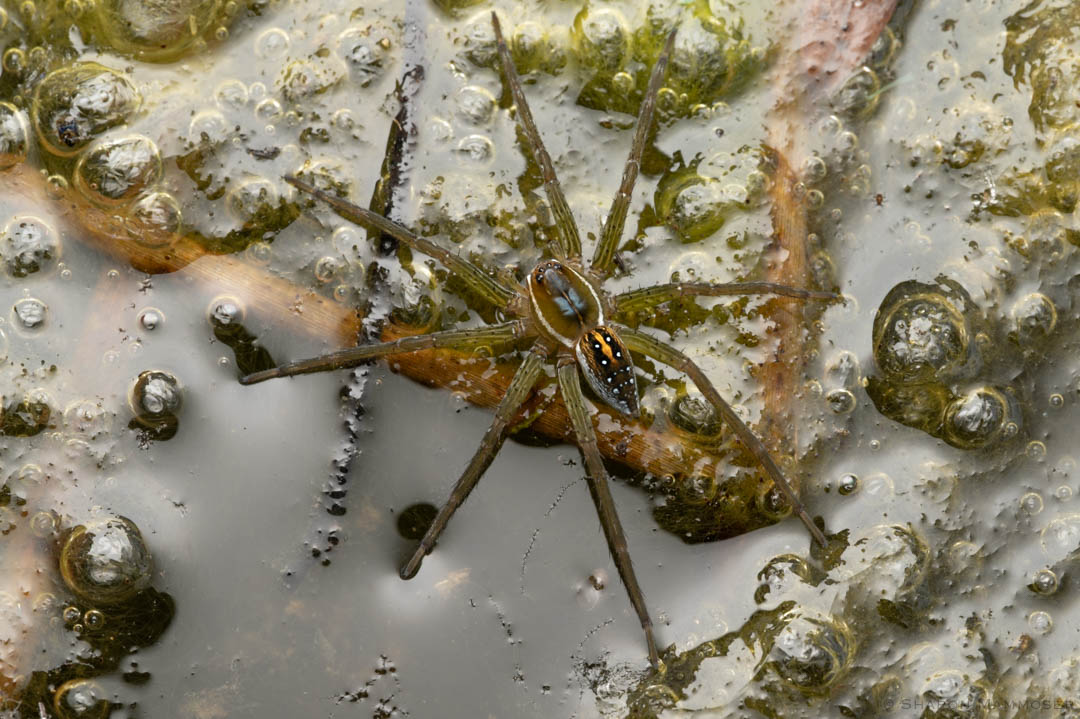
3.All spiders do NOT build webs. There are more than 53,000 species of spiders and not all of these build webs. Many stalk their prey like a wolf or wait motionless until something comes along. “More than half of all described spider species have abandoned building webs. They seize their prey directly and have to be able to hold and control the struggling prey without getting hurt themselves”, explains Jonas Wolff, PhD student in the working group ‘Functional Morphology and Biomechanics’.

Check out this peacock spider! The most beautiful spider you’ll probably ever see. It’s amazing!! Here’s a video of it dancing–sure to blow your mind!!
4. Spiders are NOT insects though they are related to insects. Insects and spiders are Arthropods, meaning they have a hard exoskeleton, segmented body and jointed appendages. Insects are characterized by having three body parts, three pairs of legs, one pair of antennae and one or two pairs of wings. Spiders on the other hand have only two body parts, along with 4 pairs of legs. Spiders also have an organ on the underside of their body called a spinneret which produces silk the spider uses in a variety of ways, including as a drag line, for a web, to surround its eggs or even as a chamber to protect itself from predators. The silk is a remarkable substance. It starts out as a liquid, but becomes a solid as it leaves the spider’s body through its spinnerets. Some spider silk is stronger than steel! Most spiders have 8 eyes.
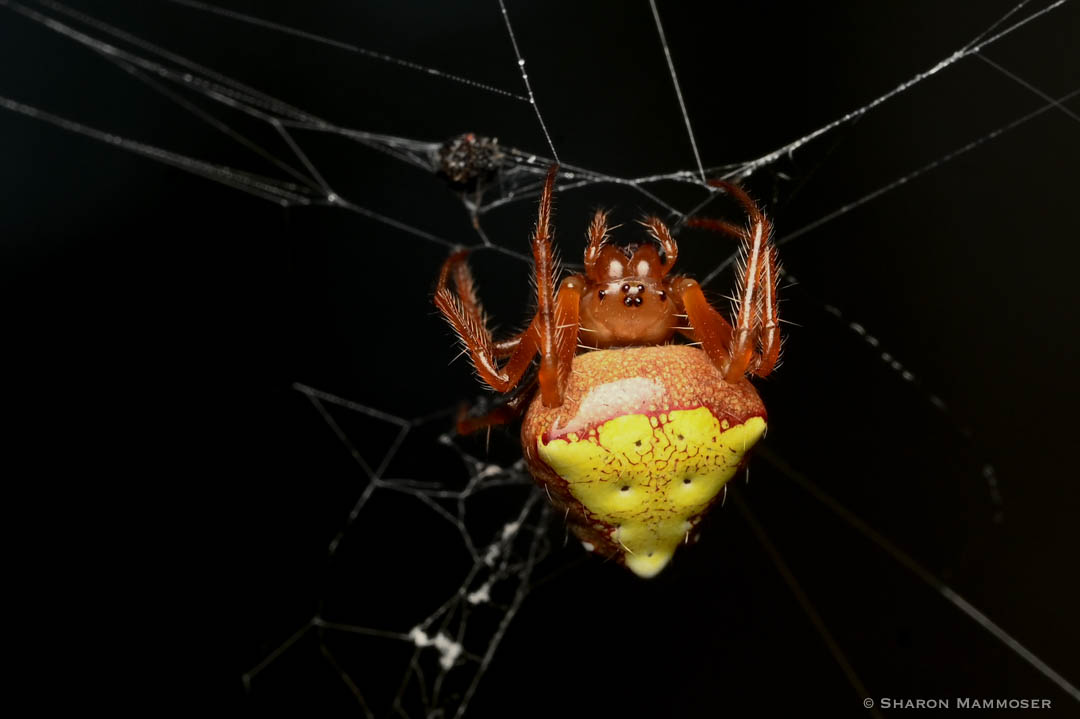
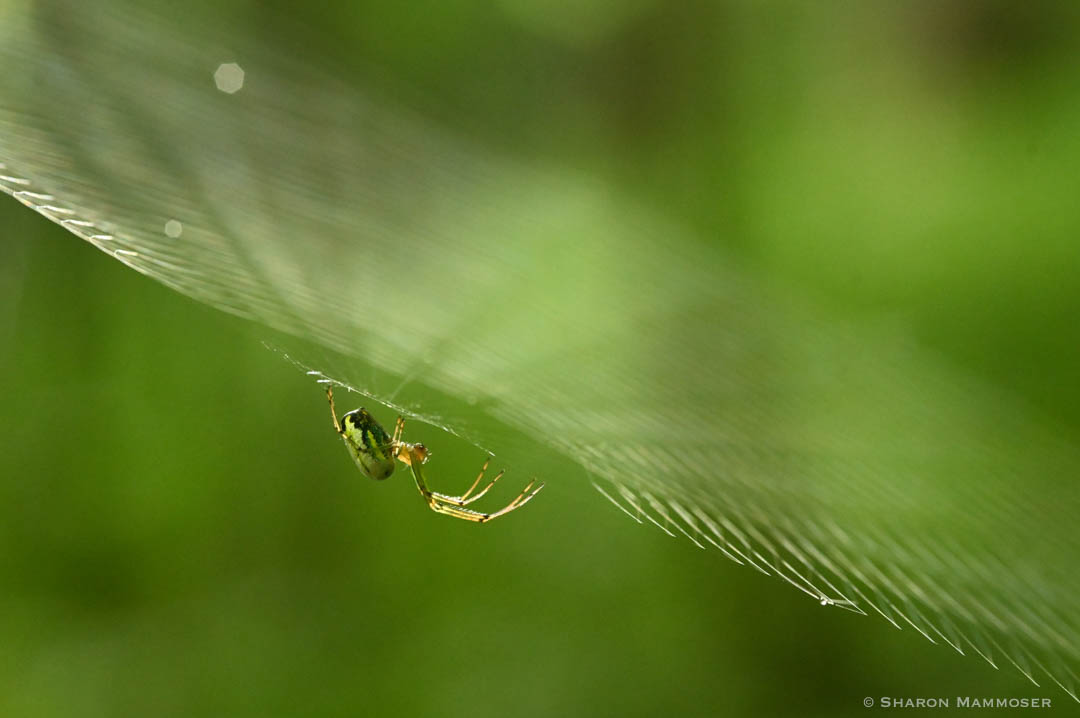
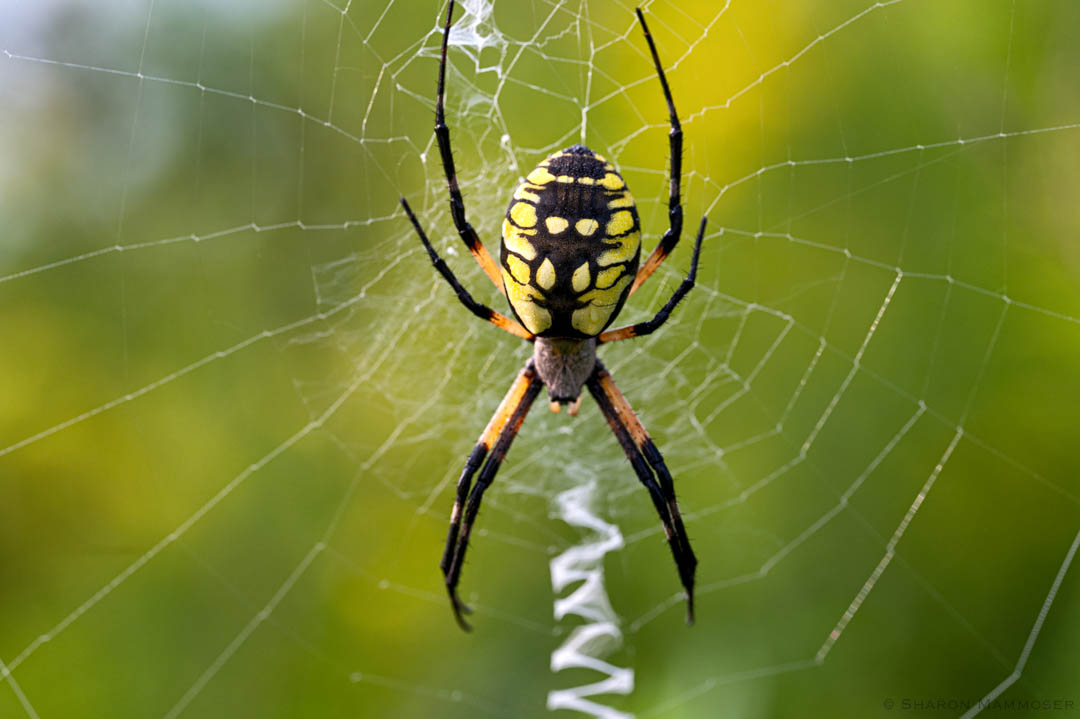
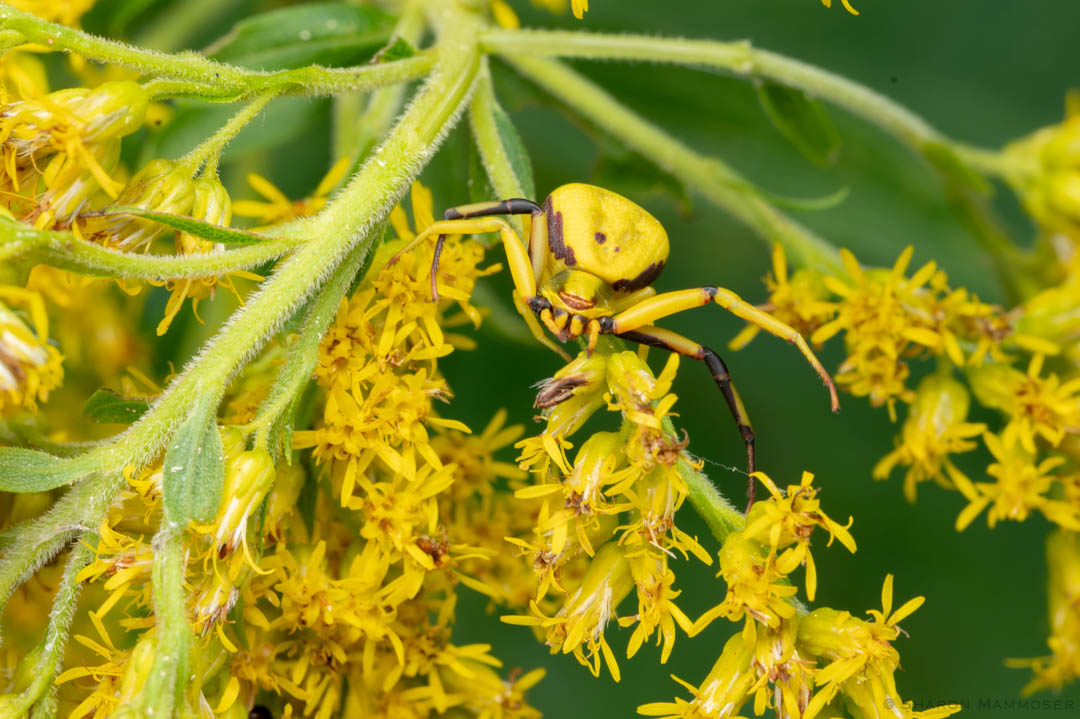
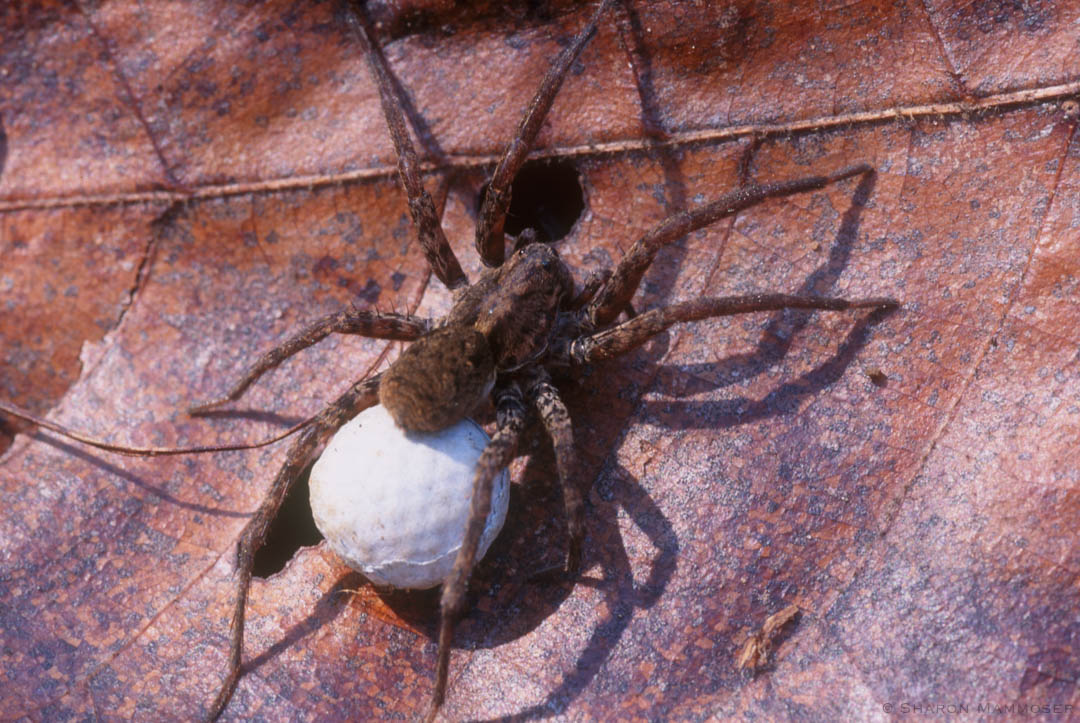
5.Nearly all spiders are venomous but none are poisonous. Of the over 100 families of spiders, just two lack venom glands. However, it needs to be said that venomous and poisonous are NOT the same thing! Poisonous means the animal or plant produces a poison, that when taken into the body, or ingested, causes illness or death. Some mushrooms or berries are poisonous. Venomous animals on the other hand, produce a venom that when injected into the prey, may cause illness or death. Spiders have venom solely so they can subdue prey, not so they can bite humans. Their venom usually has little effect on humans, who are much, much larger in size.
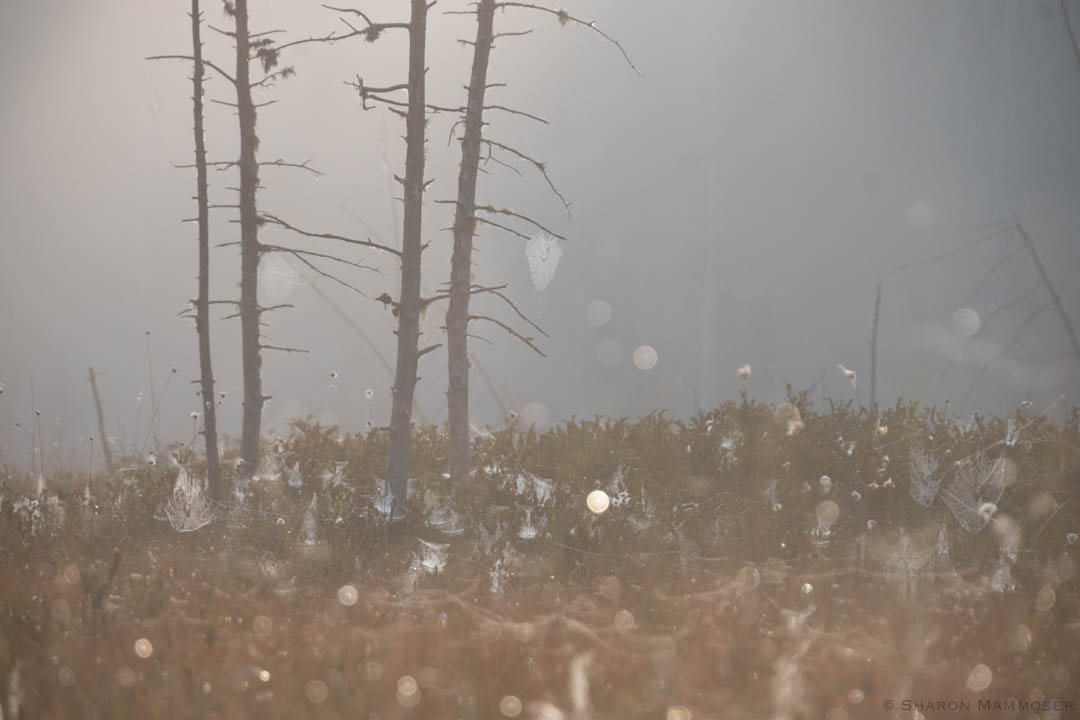
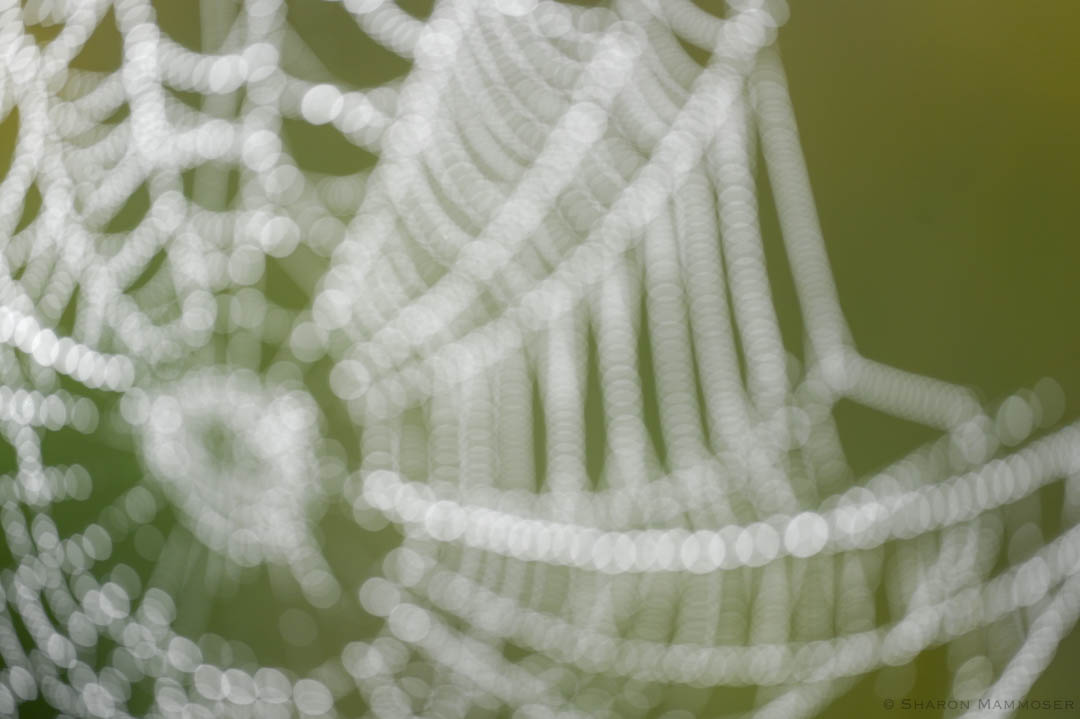
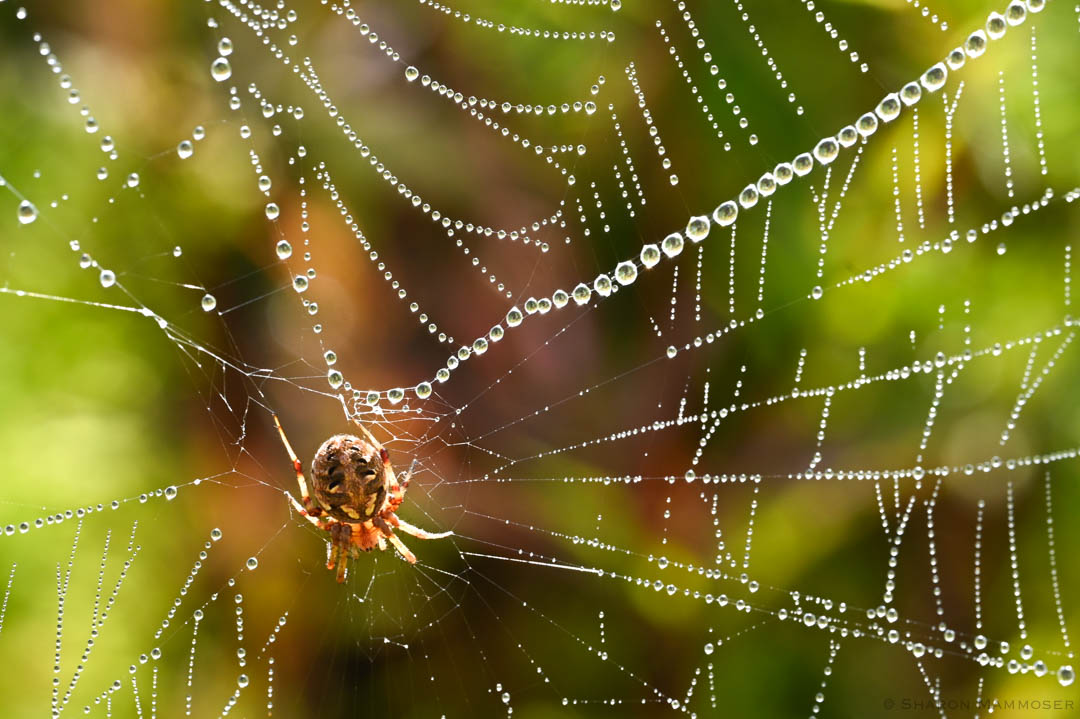
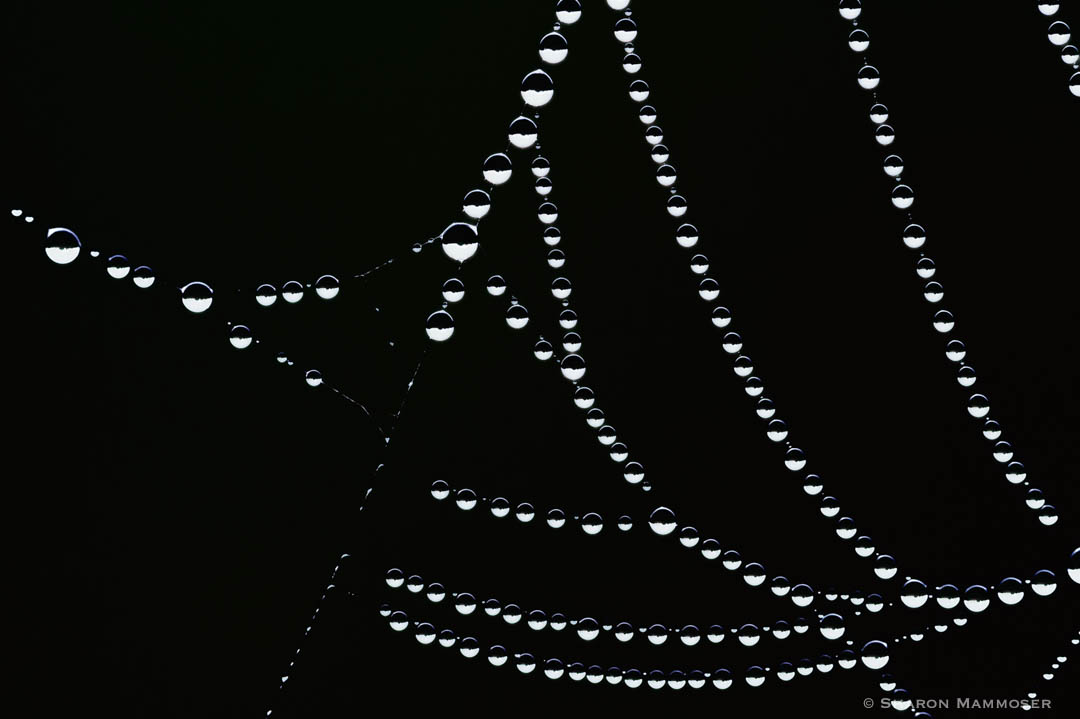
6.Spider webs are NOT always round. There are many differently shaped webs including funnels, sheets, and cobwebs. Each spider species that makes a web, has its own unique shape.

7.Spiders eat their prey. It is not true that they simply “suck the juices.”
8.Spiders are NOT easy to identify. This might be one of the most common myths out there! Scientists have named more than 53,000 species of spiders though they estimate that this is only 10% of all that exist. Many have simply not been discovered or named. It is VERY difficult to identify spiders–and people who do this, use a combination of things, including eye arrangement, body shape and a microscope–the latter of which is often crucial to identification.
With this many different species, identification is extremely difficult. A microscope is often needed. Identification books exist, often basing id on the arrangement of the eyes but this is far from complete.
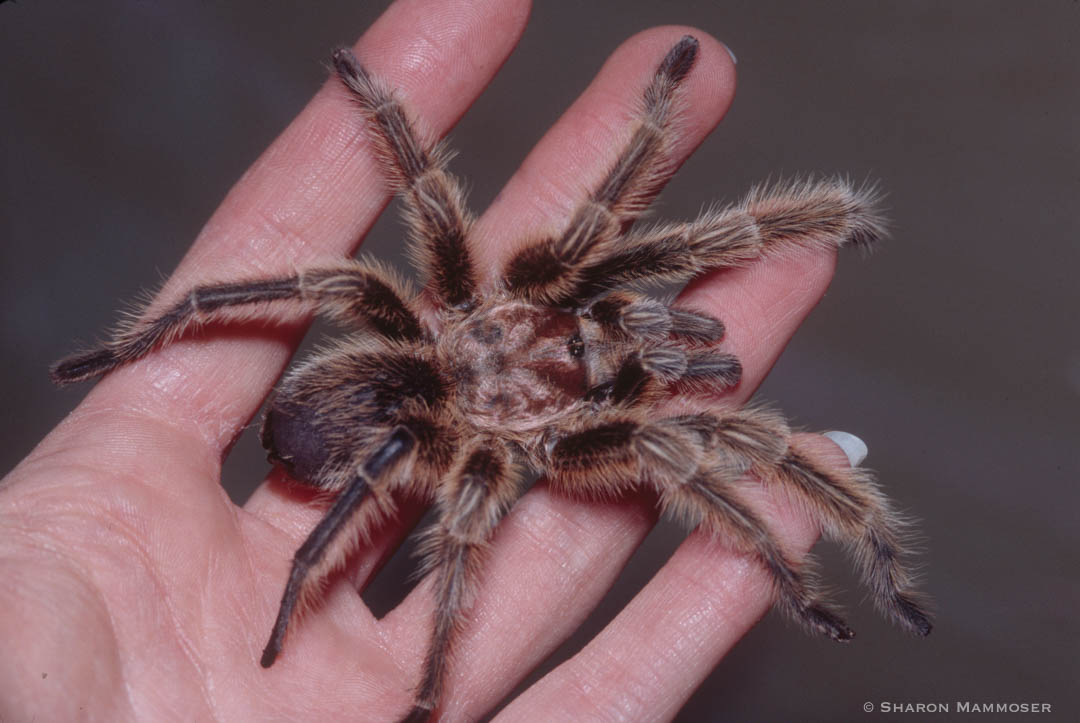
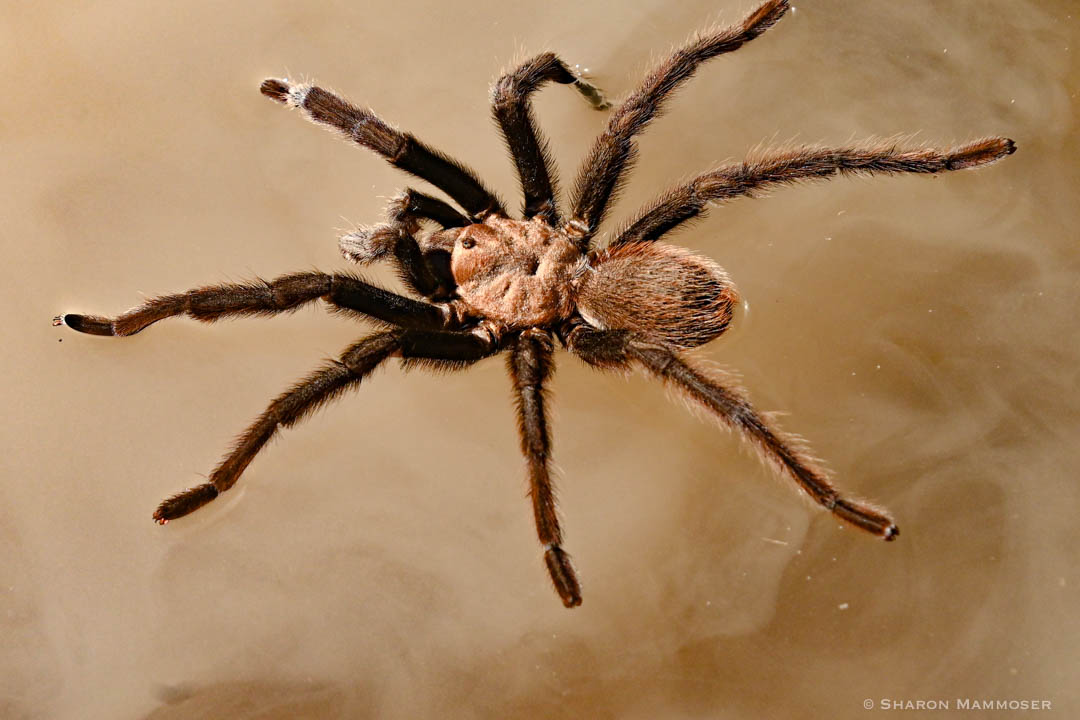
9.Tarantulas are not the deadly spiders movies make them out to be. The venom in these large spiders has a low toxicity to humans. Tarantulas do have hairs on their abdomens that they can raise to irritate the skin of someone or something threatening them.
10.Brown recluse spiders are difficult to identify and are not found everywhere in the United States. While it is true that brown recluses have a violin-shape on their bodies, just behind their eyes, this is not a reliable method of identification as there are many other spiders that have a similar shape on their bodies. Many of the bites attributed to brown recluses, even by medical professionals, come from areas where brown recluses don’t inhabitant. Often an unidentified bite is automatically attributed to a spider, even though spiders rarely bite. Check out the Brown recluse territory map taken from Rod Crawford at the Burke Museum in Seattle, Washington, to see if Brown Recluses live in your part of the country.
To learn more, visit the Burke Museum’s website and the pages dedicated to dispelling spider myths which were written by Rod Crawford,Curator of Arachnids. He has been studying spiders for 40 years! So much of what you read or see about spiders is JUST NOT TRUE! When in doubt, check out his pages dedicated to helping people understand spiders.
Read about how I overcame my fear of spiders. Click here or check out some of my favorite spider pictures, Here.
Or, if you want to really be blown away, check out some spider web shots–my favorite thing to photograph!
References:
The Burke Museum’s website written by Rod Crawford, Curator of Arachnids.
The Book of Spiders by Rod Preston-Mafham, published by Chartwell Books Inc, in 1991