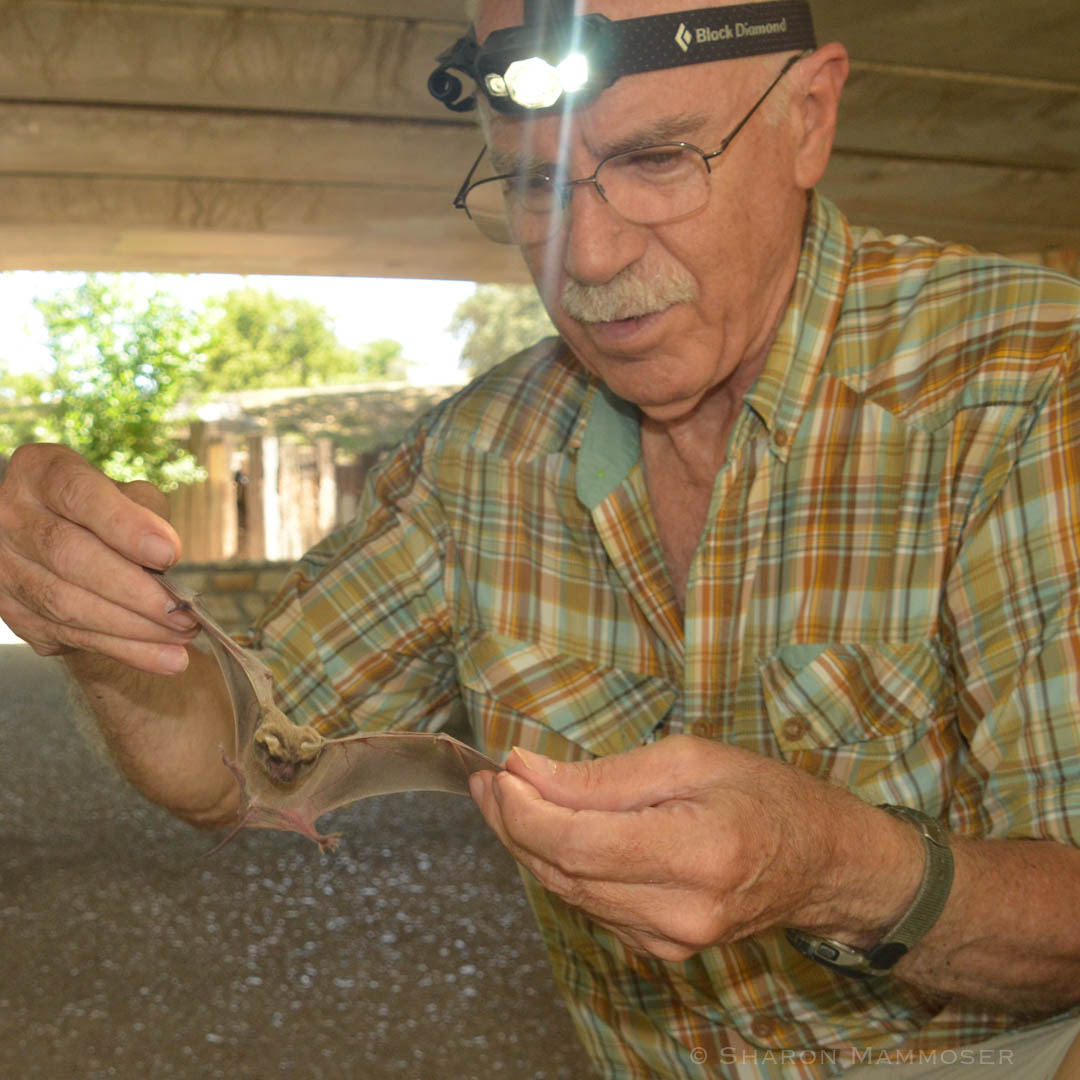


I suspect many of you are not aware that today is International Bat Awareness Day. As you might have guessed, it’s not widely celebrated unless your circle of friends includes bat fanatics. But it should be given all the amazing, free services bats provide for us. Our planet would be very different if not for bats. So, happy International Bat Awareness Day!!
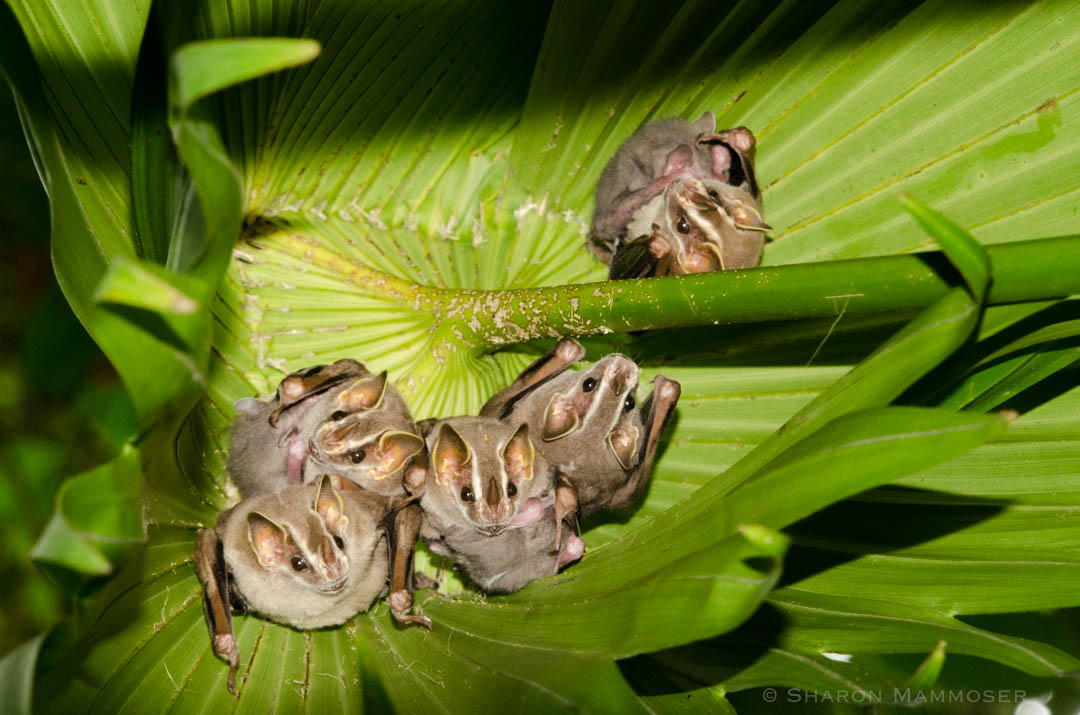
Did you know that one out of every five mammals is a bat? There are more than 1,400 species of bats in the world which is a fifth of all mammal species. They range in size from tiny bumblebee bats, weighing less than a U.S. penny to giant flying foxes with nearly six-foot wingspans. For those who look a little deeper, bats are fascinating creatures with some astonishing adaptations. For instance, did you know the Brazilian free-tailed bat can fly faster than 100 miles per hour, or reach heights of 10,000 feet? Or that California leaf-nosed bats can hear the footsteps of tiny crickets and survive in the desert heat for months at a time without drinking a drop of water? Did you know bats have great memories and are fast learners? For example, frog-eating bats learn the calls of resident frogs in mere minutes and can then remember them for at least two years without further repetition. There are bats that sing during courtship, bats immune to the stings of scorpions, bats that use their teeth to drill into termite nests, bats that adopt orphans and bats that live in pitcher plants high in the forest canopy. Despite the popular saying, “blind as a bat,” bats are not blind; they have perfectly functioning eyes like most other mammals. Many species navigate by way of echolocation, able to “see” in pitch darkness. Like primates, dolphins and elephants, they have highly advanced social systems, often sharing food and information.
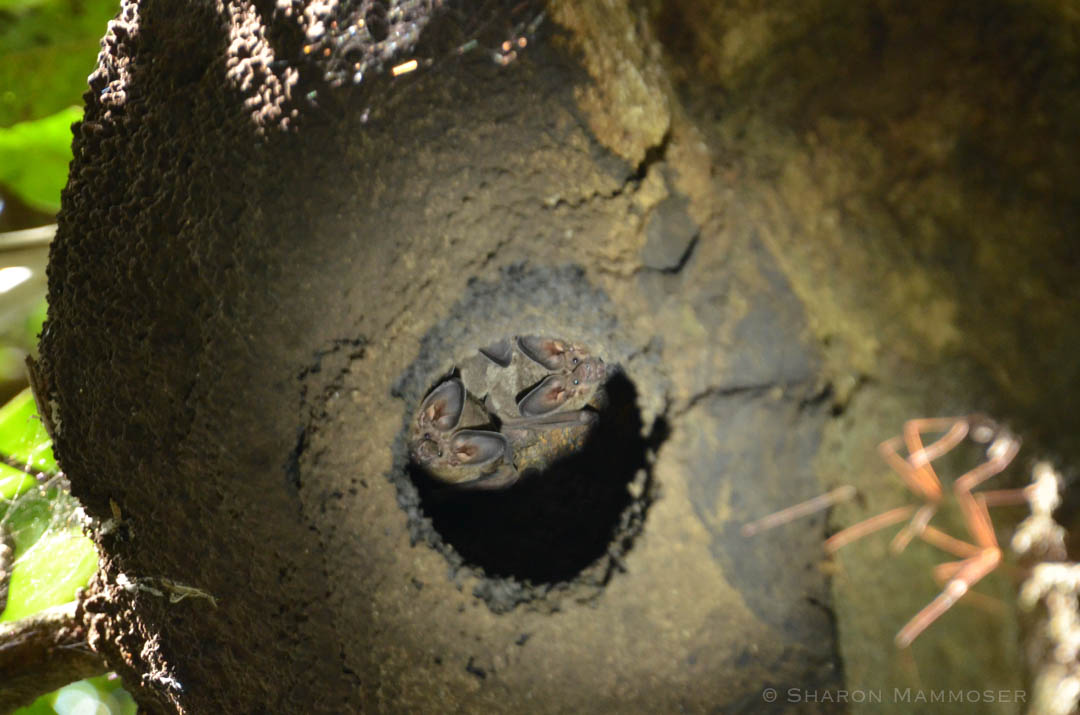
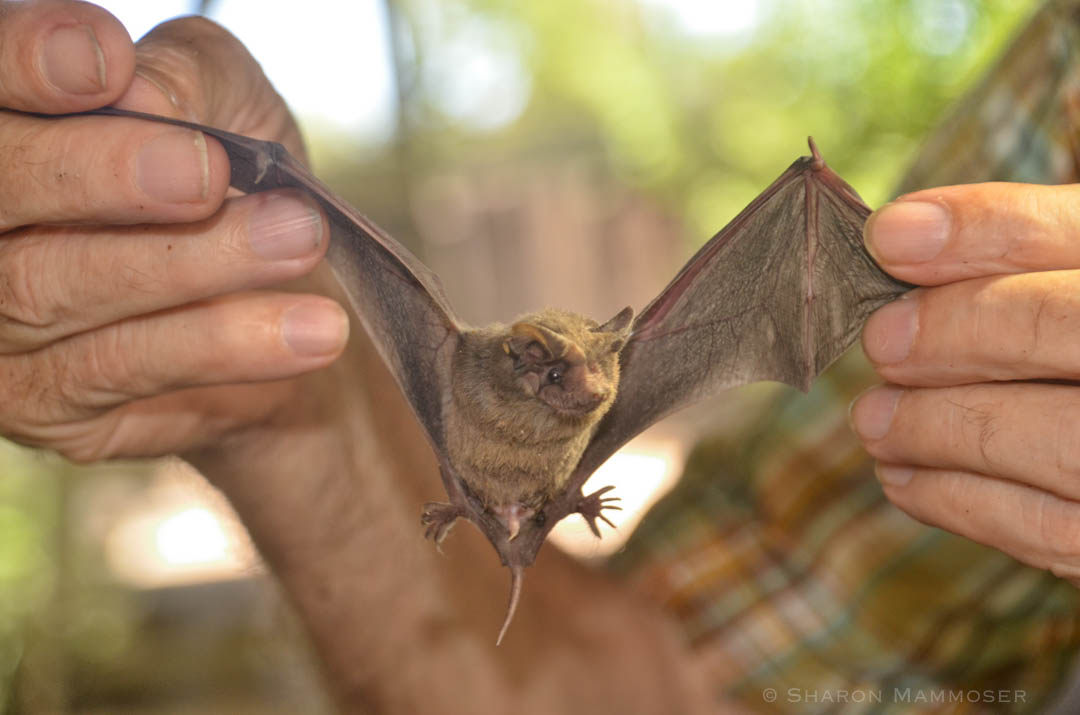
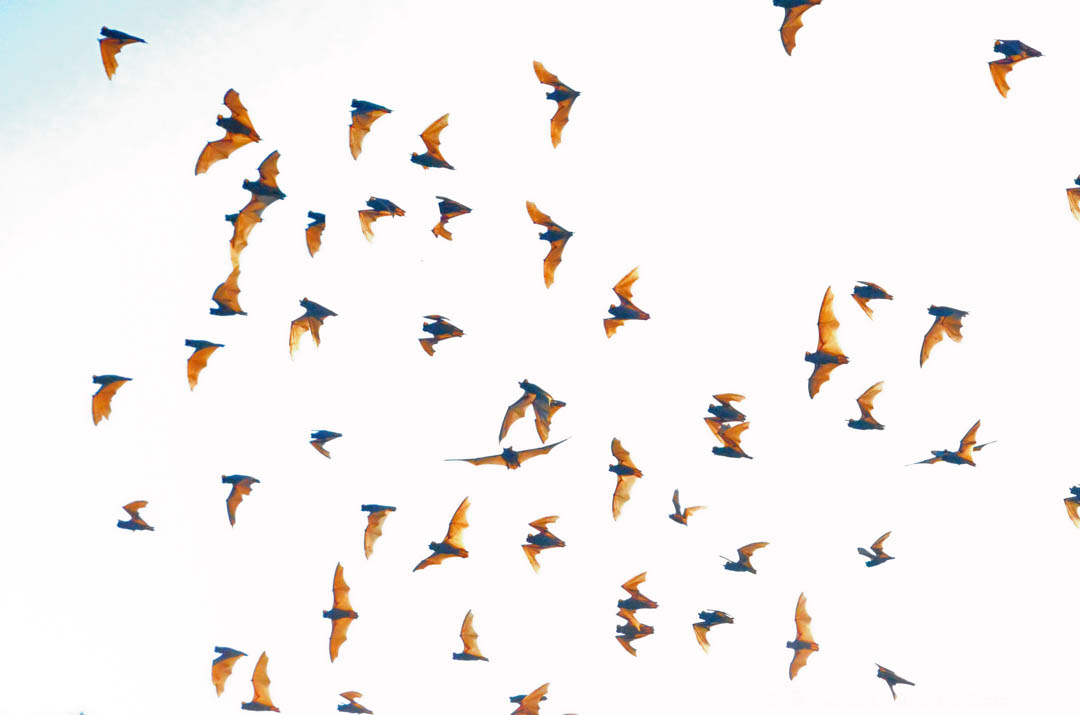
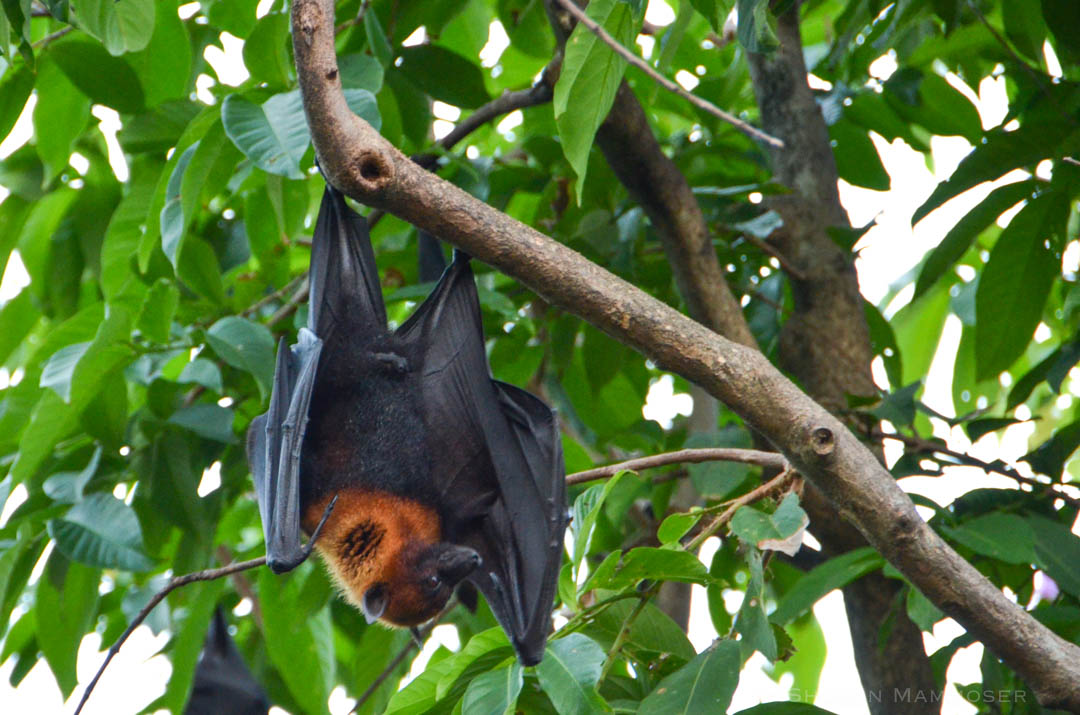
According to bat biologist, photographer, and founder of Merlin Tuttle’s Bat Conservation, Merlin Tuttle, “Bats can live up to 41 years in the wild, still able to chase down flying insects for dinner, the equivalent of a human living to be 100, still able to hear well and run obstacle courses.” Imagine! Humans can learn a lot from bats.
Despite their value to the ecosystem, bats do not make many “favorite animal” lists, and are frequently persecuted out of ignorance and fear. They are not usually featured favorably in movies or books and are often mistakenly blamed for disease outbreaks despite science proving otherwise. Scientists like Merlin have dedicated their lives to changing public perception of bats and protecting bat habitats around the world. Like Merlin, we all need to look at bats differently, understanding that much of what we know about them is in fiction, and not fact.
Here are three reasons to love bats:
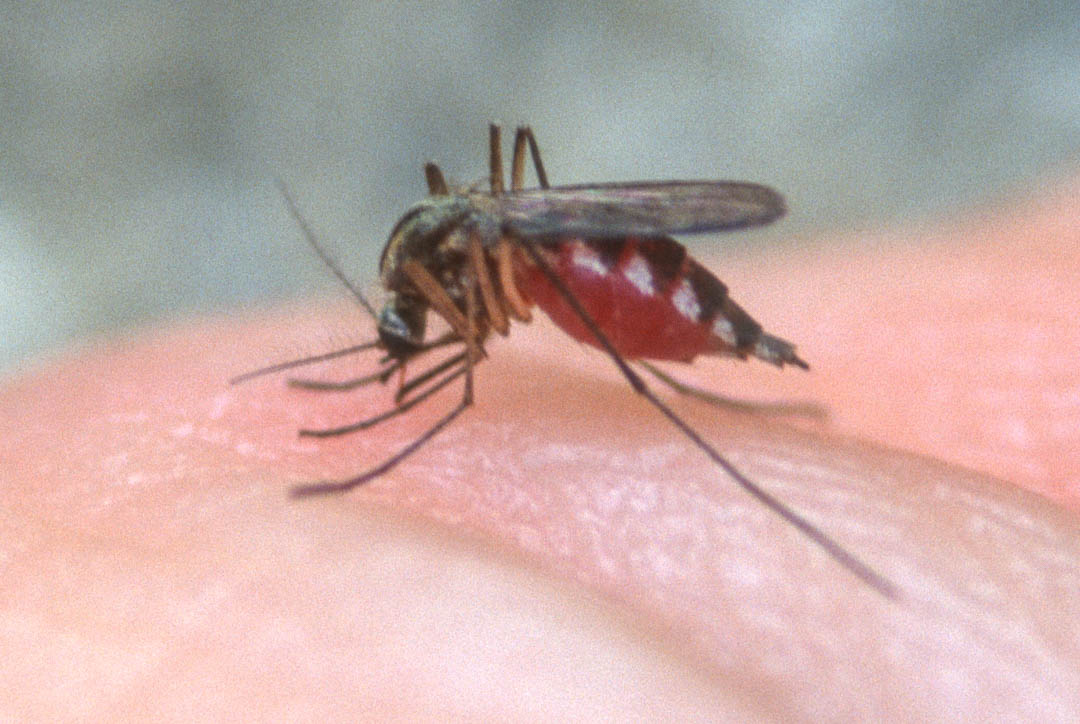
1.Pest Control. When you’re sitting outside, enjoying a summer evening, do you appreciate mosquitoes buzzing around your head? Probably not, right? Did you know just one average size bat in North America can eat more than 1000 mosquito sized insects–including mosquitoes– in just ONE HOUR! Imagine how many a colony of 200 can eat in one night! These insectivorous bats help reduce the spread of diseases such as West Nile virus. Merlin says, ” Insect-eating bats save farmers approximately $23 billion in annual agricultural losses in the United States alone. Millions of free-tailed bats from Bracken Cave, Texas eat more than 100 tons of insects nightly, intercepting billions of migrant pests before they can lay eggs, a huge savings to farmers. A colony of just 150 big brown bats can eat enough cucumber beetles in a single summer to prevent them from laying 33 million eggs that hatch into rootworms, a devastating crop pest.” Using bats as pest control makes a lot of sense, helping bat populations AND safeguarding our health and planet by reducing our dependence on harmful chemicals.
2. Seed Dispersal and Fertilizer Did you know bats disperse seeds for mangoes, peaches, and guavas or that bats are primary refroresters of tropical clearings? According to Merlin, bats “Sometimes dropping more than 95% of first “pioneer plant” seeds required to begin regrowth. Bats are the primary seed dispersers of Central America’s Sapodilla tree, the original source of chewing gum, Chiclets. This tree is also prized for its fruit and timber. Fruit-eating bats appear to be the best long-distance dispersers of the Neem tree, one of the world’s most medicinally important species.” In addition, bat poop, called guano, provides nutrients for a variety of cave microorganisms. Merlin says that “Bats from Khao Chong Phran Cave in Thailand provide annual fertilizer sales of $132,000, rice crop protection valued at $300,000 and aid businesses by attracting thousands of tourists.” These services may go under the radar of most people, but make no mistake, they are essential to life as we know it here on Earth.
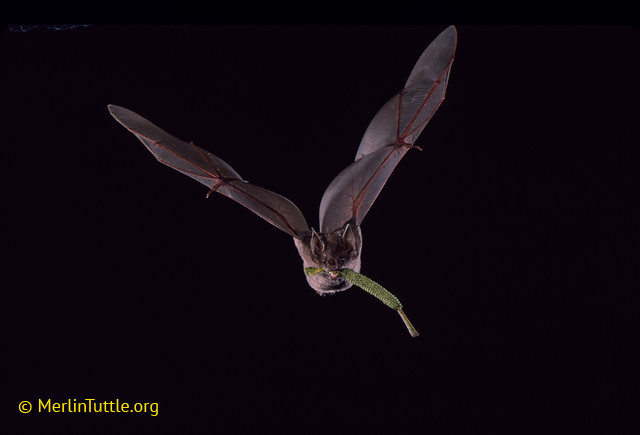
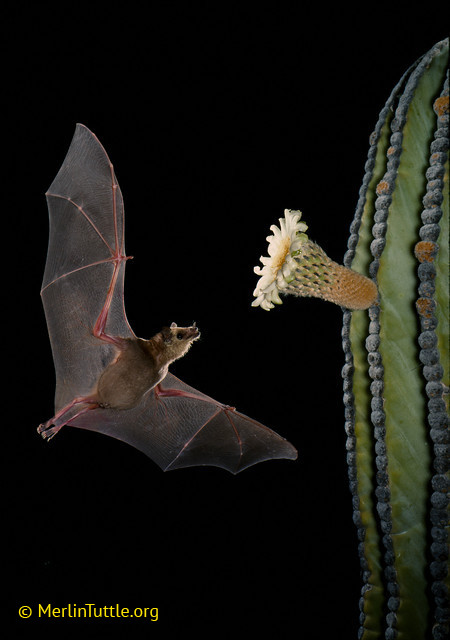
3. Pollination When people think of pollinators, bees, beetles, and butterflies likely come to mind first, but bats are also on this list. Did you know 70% of all tropical fruits, including mangoes, peaches, bananas and dates need bats for pollination? Like tequilla? Then you have to appreciate bats because they pollinate the agave plant, as well as hundreds of species of cactus. A popular fruit that grows in Southeast Asia, called a durian, requires bat pollinators. Merlin says “Sales from this fruit account for more than a billion dollars annually.”
I hope you’ll join me and Merlin and help spread the word– we NEED bats! On this day and everyday, let’s celebrate these incredible animals! And let’s work together to help them succeed. If you’d like more information about bats, or would like to join Merlin Tuttle’s Bat Conservation, that would be a great place to start! His website has a ton of useful resources including how to pick out the right bat box.